Explainer
Interceptor drones compared: the cheap hunters built to stop the Shahed
From $1,000 Ukrainian quadcopters to $100,000 jet-powered American rounds: speed, warhead, price and status of every interceptor drone used or offered against Shahed-type drones, with the numbers behind the boom.
Editorial desk12 min read
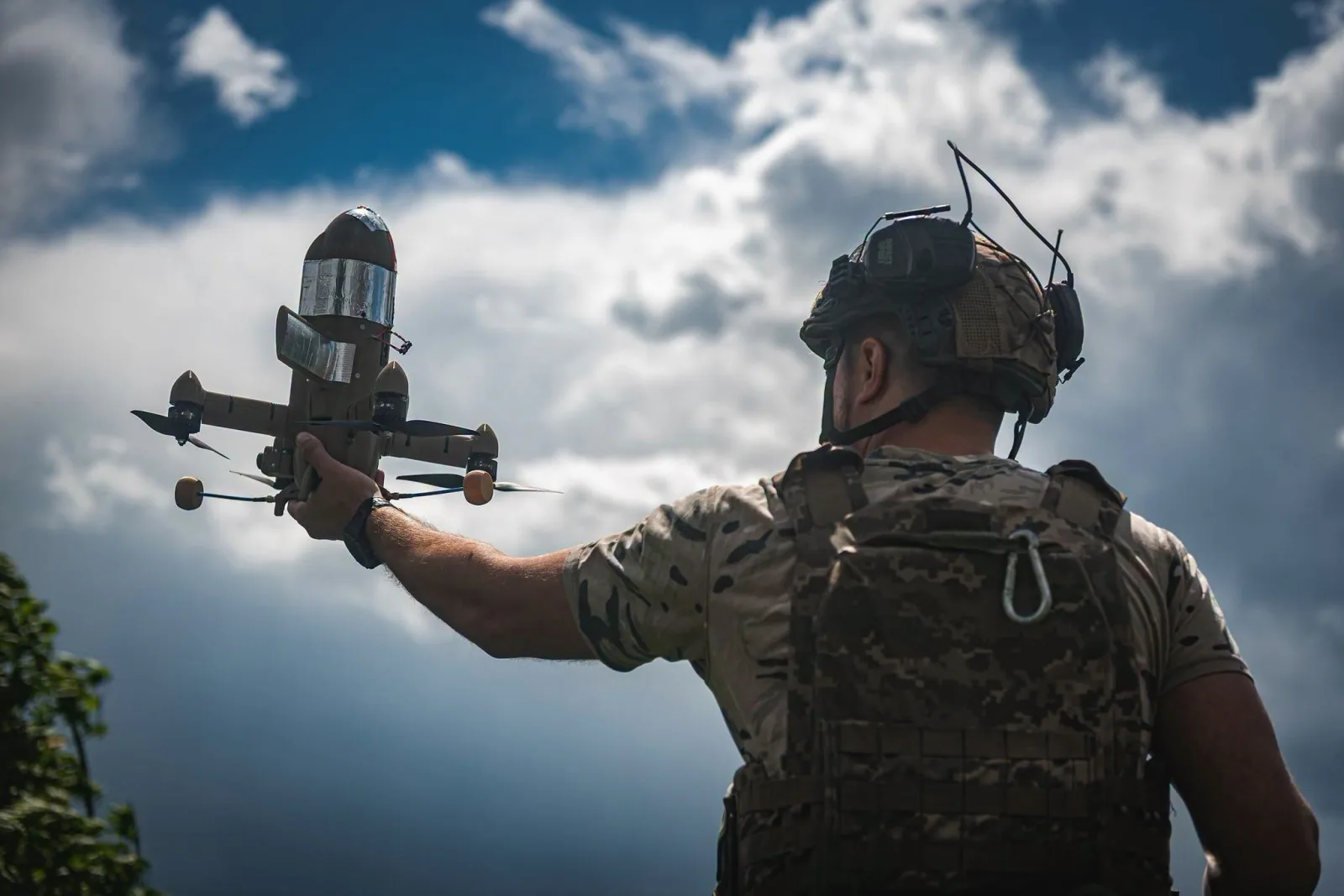
An interceptor drone is a small, fast unmanned aircraft launched to chase and destroy an enemy drone, usually by exploding next to it or ramming it. Ukrainian models such as STING, Bullet and P1-SUN cost about $1,000 to $3,000 and fly at 250–370 km/h, fast enough to catch a propeller-driven Shahed-136.
Within two years they went from improvised quadcopters to Ukraine's main defence against Shahed and Geran drones. This guide, compiled by World of Interceptors (www.worldofinterceptors.com), compares every interceptor in our reference that has been used or offered against Shahed-type drones, with the figures makers and governments have published, and says where those figures disagree.
Every anti-Shahed interceptor at a glance
The table lists top speed, kill method, unit price and status. Speeds and prices are mostly manufacturer claims; where independent reports differ, both are given. 'Not published' means we found no reliable price.
| Interceptor | Maker | Country | Top speed | Kill method | Unit price | Status |
|---|---|---|---|---|---|---|
| STING | Wild Hornets | Ukraine | 280 km/h (maker); 315 km/h reported | 500 g charge, remote detonation | $2,200 (maker); $2,100–2,500 reported | In service |
| Bullet | General Cherry | Ukraine | 310 km/h | 0.4–0.8 kg warhead | about $2,100 | In service |
| P1-SUN | SkyFall | Ukraine | over 300 km/h; JetKiller 370 km/h | up to 800 g explosive | from about $1,000 | In service |
| Octopus-100 | Ukrainian design, also UK-built | Ukraine / UK | 300–305 km/h | 1.2 kg warhead, LiDAR proximity fuze | UAH 92,000–145,000 | In production |
| Win_Hit | ODIN | Ukraine | 280–300 km/h | Ramming, autonomous terminal attack | Not published | In service |
| Bagnet | Tenebris | Ukraine | 250 km/h | 1 kg warhead, optical seeker | Not published | In service |
| Merops (Surveyor) | Perennial Autonomy | United States | about 280 km/h | Ramming or small warhead | about $15,000 | In service |
| TYTAN | TYTAN Technologies | Germany | 200–375 km/h by model (maker) | Collision or fragmentation | Not published | In production |
| HUNTER | Skydagger | Türkiye | 320 km/h | 500 g warhead | Not published | In production |
| TUNGA-X | STM | Türkiye | 300 km/h | 750 g proximity-fuzed warhead | Not published | Testing |
| Skyhammer | Cambridge Aerospace | United Kingdom | 700 km/h | Blast-fragmentation, radar seeker | tens of thousands of dollars | In production |
| Coyote Block 2 | RTX | United States | 555–595 km/h | Proximity blast-fragmentation | about $100,000 (reported) | In service |
| Roadrunner-M | Anduril | United States | High subsonic | High-explosive, reusable if unused | low hundreds of thousands | In production |
Why interceptor drones took over
The reason is price. A Ukrainian defence ministry adviser put the average interceptor at up to $3,000, a Shahed at up to $50,000 and an air-defence missile at $20,000–30,000 for the cheapest types. Ukraine's National Security and Defense Council says downing a Shahed with an interceptor drone costs more than 25 times less than using a Western air-defence missile. A Patriot PAC-3 MSE costs about $4 million.
The results followed. Minister Mykhailo Fedorov said interceptors downed more than 33,000 Russian drones of all types in March 2026, and that the national interception rate reached 89.9% that month, up from 80.2% in December. In February, interceptors accounted for more than 70% of Shahed downings over Kyiv, according to The Defense Post. In October 2026 Ukraine's General Staff reported 4,859 of 6,473 Shaheds neutralised by all means combined.
Production scaled with them. In November 2025 President Zelensky set a goal of up to 1,000 interceptors a day as mass production of Octopus began, Reuters reported, and the Council says the country built 100,000 in a year. Makers' ambitions are larger still: SkyFall targets 50,000 JetKillers a month, though such figures are company claims.
The Ukrainian quadcopter school: STING, Bullet, P1-SUN, Octopus
Most Ukrainian interceptors are fast quadcopters flown like FPV racing drones, with a thermal camera for night work. STING from the volunteer group Wild Hornets is the best documented: its maker gives 280 km/h and a 500 g charge set off remotely, and claimed more than 3,000 kills in its first seven months; other reports give 315 km/h for later versions. Kyiv Post reported more than 11,000 Shahed, Geran and Gerbera drones destroyed with STING since the start of 2026. In September 2026 a faster STING S destroyed around a dozen jet-powered Geran-4s in combat testing, United24 reported.
Bullet from General Cherry costs about $2,100 according to a company representative, reaches 310 km/h and carries 0.4–0.8 kg of explosive. Defense News reported 3,296 visually confirmed kills for the type in February 2026, although it also called the drone jet-powered while EDR describes four electric motors, so the details remain unsettled.
P1-SUN by SkyFall is 3D-printed and among the cheapest: a company representative gave a price from about $1,000 in February 2026, while a later Euromaidan Press headline put it at about $3,000 using the ministry's industry average. It flies at over 300 km/h, and the JetKiller version announced in July 2026 at 370 km/h. Octopus-100 was designed in Ukraine with British scientific help and is now licensed for production in the UK; the UK government says it costs less than 10% of the drones it intercepts.
Autonomous and fixed-wing designs
Jamming and night work push designers towards autonomy. ODIN's Win_Hit rams its target after an autonomous final approach at 280–300 km/h. Tenebris' Bagnet waits in a sealed launch box, takes off automatically and steers with an optical seeker, while the operator authorises each engagement.
Merops, developed by the U.S. firm Perennial Autonomy, launches small fixed-wing Surveyor interceptors from a pickup truck. Defense News reports a price of about $15,000 per shot, possibly falling to $10,000 in large orders, and more than 1,000 Shahed-type intercepts in Ukraine. It has also been fielded in Poland and Romania. Germany's TYTAN builds fixed-wing interceptors used in Ukraine and claims capacity of 3,000 a month.
How an interceptor drone finds its target
A small drone cannot search the sky by itself, so nearly every interceptor depends on someone else to find the target first. Ground radar or other sensors detect the Shahed, a command post assigns it, and the interceptor is launched along the predicted track. Only in the last few hundred metres does its own camera or seeker take over. Skydagger says its HUNTER is cued by radar and locks onto the image at about 500 m; Tenebris' Bagnet and Origin Robotics' BLAZE use an optical seeker with AI lock-on while the operator confirms the engagement.
That division of labour explains why prices quoted for interceptors understate the cost of the system. Merops is sold as a truck-mounted set with sensors, launcher and controller, and Coyote is fired from launchers cued by Raytheon's KuRFS radar within the U.S. Army's LIDS system. The drones are cheap; the radar network, trained crews and communications behind them are not.
The kill itself takes three forms. Most Ukrainian types carry a small explosive charge of about 0.4 to 1.2 kg, set off by the operator or by a proximity fuze such as the LiDAR sensor on Octopus-100. Others, including Win_Hit and the smaller TYTAN models, simply ram the target. A third family, built for small drones over airports and bases, captures them in nets.
Interceptors for small drones: nets, ramming and fragmentation
Not every interceptor is meant for Shaheds. A second group, mostly Western, targets quadcopters and small fixed-wing drones, where a net or a collision is enough and debris matters. Their makers stress low collateral damage and recovery for reuse rather than speed.
| Interceptor | Maker | Country | Kill method | Published performance | Status |
|---|---|---|---|---|---|
| DroneHunter F700 | Fortem Technologies | United States | Net capture with onboard radar | 25 m/s; 4 km | In production |
| Anvil | Anduril | United States | Ramming; Anvil-M adds a munition | Not published | In production |
| MARSS Interceptor MR | MARSS | Monaco | Head-on ramming, no explosive | over 80 m/s; 5 km+ | Testing |
| Kreuger 100XR | Nordic Air Defence | Sweden | Collision or optional 250 g warhead | about 97 m/s; about 3.2 km | Testing |
| BLAZE | Origin Robotics | Latvia | 800 g fragmentation warhead | 10 km+ | In service |
| DroneCatcher | Delft Dynamics | Netherlands | Pneumatic net gun | up to 20 m/s; net range up to 10 m | Unknown |
The jet-Shahed problem and the faster, dearer tier
Russia's jet-powered Geran-3 and successors fly much faster than the propeller Shahed, up to about 600 km/h according to Defense News, and most quadcopters cannot catch them. In September 2026 President Zelensky said Ukraine neutralised about 55% of jet Shaheds, against more than 90% of conventional ones; in October the General Staff gave 66% and 89%.
That opens a market for faster interceptors. Brave1's requirement caps them at $20,000–25,000 per launch. Britain's Skyhammer, tube-launched with a turbojet and radar seeker, flies at 700 km/h and costs tens of thousands of dollars according to Nikkei. American designs are dearer: Coyote Block 2 is reportedly about $100,000 and the Army has approved disclosure of 600 combat intercepts, while Anduril's reusable Roadrunner-M was priced by its founder in the low hundreds of thousands of dollars. Türkiye's HUNTER and TUNGA-X sit at about 300–320 km/h.
Our reading
Speed figures on a spec sheet matter less than three things that are rarely published: how often the interceptor actually hits, how quickly an operator can be trained, and how many can be built a month. Ukraine's advantage is volume and feedback from daily combat. Our reading is that the next contest is the jet Shahed, where the cheapest designs fail and price rises tenfold. Follow the records above, or compare guns, lasers and missiles for the same job in our anti-drone lasers and microwave weapons guides and our Shahed history.
Frequently asked questions
- What is an interceptor drone?
- A small, fast drone launched to destroy another drone in flight, usually by detonating a small charge beside it or by ramming it. Ukraine uses them mainly against Shahed and Geran one-way attack drones.
- How much does an interceptor drone cost?
- Ukrainian models cost about $1,000 to $3,000 (STING $2,200 according to its maker, Bullet about $2,100). Western jet-powered interceptors cost far more: Merops about $15,000 and Coyote Block 2 reportedly about $100,000.
- How fast are interceptor drones?
- Most Ukrainian quadcopter interceptors fly at 250–320 km/h. Faster designs for jet drones reach 370 km/h (SkyFall JetKiller) or 700 km/h (Skyhammer).
- Which interceptor drones does Ukraine use?
- Widely reported types include STING, Bullet, P1-SUN, Octopus, ODIN Win_Hit, Bagnet, the U.S.-made Merops and Germany's TYTAN.
- How many Shaheds do interceptor drones shoot down?
- Ukraine's digital transformation minister said interceptors downed more than 33,000 drones of all types in March 2026, and they accounted for more than 70% of Shahed downings over Kyiv in February 2026.
- Can interceptor drones stop jet-powered Shaheds?
- Only partly. Ukraine reported neutralising 55–66% of jet Shaheds in September–October 2026 against about 90% of propeller ones, and is buying faster interceptors priced up to $20,000–25,000.
Originally published by World of Interceptors at www.worldofinterceptors.com/blog/interceptor-drones-compared. Quote or republish it freely with a link to this page. Compiled from open sources and cross-checked, but accuracy cannot be guaranteed; manufacturers and independent organisations can ask us to correct or remove information (disclaimer).
Sources
- 1.
STING – Shahed Interceptor (opens in a new tab)
Wild Hornets · Manufacturer · Published · Retrieved
Supports: Top speed 280 km/h, cruise 140–170 km/h, 500 g payload with remote detonation, 3,000+ drones destroyed in first seven months, 80–90% hit rate (maker)
- 2.
STING – Shahed interceptor by Wild Hornets (opens in a new tab)
Wild Hornets · Manufacturer · Retrieved
Supports: Max 280 km/h, cruise 140–170 km/h, 37 km range, 7,000 m ceiling, 6–15 min endurance, 500 g payload, 4 kg take-off mass, $2,200 with thermal camera, 80–90% hit rate claim
- 3.
Ukrainian forces use new STING S interceptor to down Russian Geran-5 (opens in a new tab)
Kyiv Post · General press · Published · Retrieved
Supports: More than 11,000 Shahed/Geran and Gerbera drones reportedly destroyed with Sting since the start of 2026; 7,472 m interception record; STING S variant
- 4.
Guide To Ukrainian Interceptor Drones (opens in a new tab)
Covert Shores (H I Sutton) · Specialist press · Published · Retrieved
Supports: STING advertised 315 km/h; Bagnet 250 km/h, 1 kg warhead, autonomous terminal guidance; ODIN Win_Hit autonomous final attack; TYTAN 300 km/h
- 5.
How Cheap Drone Interceptors Work (opens in a new tab)
MiGFlug · Specialist press · Published · Retrieved
Supports: STING about $2,100–2,500 and 3,900 kills by early 2026; Shahed about $35,000; Coyote more than 600 combat kills (Raytheon)
- 6.
Ukraine's STING S Interceptor Destroys Dozen Russian Jet Drones (opens in a new tab)
United24 Media · General press · Published · Retrieved
Supports: STING S destroyed around a dozen Geran-4 and several Geran-5 in combat testing
- 7.
UMEX 2026 – General Cherry unveils the Bullet interceptor drone (opens in a new tab)
EDR Magazine · Specialist press · Published · Retrieved
Supports: Bullet about US$2,100 (company); 310 km/h; 0.4–0.8 kg warhead; four electric motors
- 8.
NATO nations size up an interceptor-drone bazaar where low price is everything (opens in a new tab)
Defense News · Specialist press · Published · Retrieved
Supports: Ukrainian interceptors typically $1,000–3,000; Merops $15,000 per shot, possibly $10,000 at scale, 1,000+ Shahed intercepts; Bullet 3,296 confirmed kills in February
- 9.
SkyFall spoke about the price and performance of P1-SUN (opens in a new tab)
Mezha (Defense) · Specialist press · Published · Retrieved
Supports: P1-SUN from about $1,000; over 300 km/h; up to 800 g explosive; about 700 Shaheds in first three months
- 10.
Ukrainian P1-Sun drones down 3,000-plus Shaheds in 2026 at about $3,000 apiece (opens in a new tab)
Euromaidan Press · General press · Published · Retrieved
Supports: MoD adviser: interceptors average up to $3,000, Shahed up to $50,000, air-defence missile $20,000–30,000; P1-SUN 3,000+ Shaheds in 2026
- 11.
Breaking Defense · Specialist press · Published · Retrieved
Supports: Jetkiller 370 km/h; target of 50,000 a month
- 12.
Octopus from four manufacturers available on Brave1 Market (opens in a new tab)
Defender Media · Specialist press · Published · Retrieved
Supports: Octopus 300–305 km/h, 1.2 kg warhead, LiDAR proximity fuze, 25 km; prices UAH 92,000–145,000 by maker and camera
- 13.
Prime Minister's Office (GOV.UK) · Government · Published · Retrieved
Supports: Octopus designed by Ukraine with UK scientists' support; costs less than 10% of the drones it intercepts; proven on the battlefield; data sets updated every six weeks
- 14.
Ukraine Deploys ODIN Win_Hit Interceptor Drone to Take Down Russian Shaheds (opens in a new tab)
United24 Media · General press · Published · Retrieved
Supports: Win_Hit 280–300 km/h attack speed, 7–10 min endurance, rams target
- 15.
G-TEAD delivers rapid counter-drone capability to NATO's eastern flank (opens in a new tab)
U.S. Army · Government · Published · Retrieved
Supports: Merops developed by Perennial Autonomy (formerly Project Eagle); truck-mounted launcher; 50 systems procured by G-TEAD; about $6 million bailment for Merops, Hornet and Bumblebee; fielded with U.S., Polish and Romanian forces; thousands of interceptors sent to the Middle East; transition candidate for a programme of record
- 16.
German startup TYTAN debuts new rocket-boosted interceptor (opens in a new tab)
Defence Blog · Specialist press · Published · Retrieved
Supports: TYTAN interceptors ram targets; METIS 350 km/h; capacity 3,000 a month; used in Ukraine
- 17.
Saha Expo 2026 – Skydagger unveils the Hunter interceptor drone (opens in a new tab)
EDR Magazine · Specialist press · Published · Retrieved
Supports: HUNTER 320 km/h maximum, 20 km, 500 g warhead, radar-cued
- 18.
British drone-killer startup heads to Japan with cheap interceptors (opens in a new tab)
Defence Blog · Specialist press · Published · Retrieved
Supports: Skyhammer 700 km/h, 30 km, radar seeker; price tens of thousands of dollars (Nikkei)
- 19.
Drastic Increase In Army Coyote Drone Interceptor Purchase Plans (opens in a new tab)
The War Zone · Specialist press · Published · Retrieved
Supports: Coyote Block 2 reportedly around $100,000; Army plans for 6,000
- 20.
Raytheon Coyote (opens in a new tab)
Wikipedia · Reference work (secondary) · Retrieved
Supports: Block 2 speed 555–595 km/h, 10–15 km engagement range, fragmentation warhead, planned buy of 6,000, about $100,000 each
- 21.
Defence Industry Europe · Specialist press · Published · Retrieved
Supports: Production tripled in a year, plan to double again to about 300 a month; Army approved disclosure of 600 combat intercepts; Block 3NK high-power microwave module
- 22.
DefenseScoop · Specialist press · Published · Retrieved
Supports: Roadrunner-M high subsonic, reusable if not expended, cost in the low hundreds of thousands of dollars
- 23.
Euromaidan Press · General press · Published · Retrieved
Supports: More than 33,000 UAVs downed by interceptor drones in March 2026; interception rate 89.9%; interceptors dozens of times cheaper than Shaheds
- 24.
Ukraine Develops $20K Interceptors to Counter Russia's Jet Drones (opens in a new tab)
The Defense Post · Specialist press · Published · Retrieved
Supports: Interceptors more than 70% of Shahed downings over Kyiv in February; Geran-2 about $70,000, jet Shahed $100,000–150,000; jet interceptor price cap $20,000–25,000
- 25.
Ukraine Neutralizes Nearly 5,000 Russian Shahed Drones in October (opens in a new tab)
United24 Media · General press · Published · Retrieved
Supports: 4,859 of 6,473 Shaheds neutralised in October 2026; 66% of jet-powered and 89% of conventional
- 26.
United24 Media · General press · Published · Retrieved
Supports: September 2026: more than 2,730 jet Shaheds launched, more than 1,500 neutralised (about 55%); conventional Shaheds above 90%
- 27.
Results of Ukraine's Defense Industry in 2025: Interceptor Drones (opens in a new tab)
National Security and Defense Council of Ukraine · Government · Retrieved
Supports: 100,000 interceptor drones produced in a year; more than 25 times cheaper than a Western missile per Shahed; success rate above 60%
- 28.
Ukraine begins mass production of interceptor drones to bolster air defence (opens in a new tab)
Reuters · General press · Published · Retrieved
Supports: Goal of up to 1,000 interceptors a day; mass production of Octopus
- 29.
Ukraine races to field faster interceptors as Russia hammers its energy grid (opens in a new tab)
Defense News · Specialist press · Published · Retrieved
Supports: Jet drone speeds up to 600 km/h; Geran-4 and Geran-5; interception rates; Alexa Spatium in service 21 August; 14 companies flight-testing; jets about 40% of launches
- 30.
BLAZE — Autonomous high-explosive C-UAS interceptor (opens in a new tab)
Origin Robotics · Manufacturer · Retrieved
Supports: HE fragmentation warhead; radar-guided approach, EO/IR and AI lock-on; operator-confirmed engagement; wave-off and self-destruct; case doubles as launch station
- 31.
DSEI 2025 – Origin Robotics counter-UAS interceptor Blaze (opens in a new tab)
EDR Magazine · Specialist press · Retrieved
Supports: Under 6 kg, 800 g HE fragmentation warhead, range beyond 10 km, vertical take-off with four electric motors
- 32.
DroneHunter F700 (opens in a new tab)
Fortem Technologies · Manufacturer · Retrieved
Supports: TrueView R20 radar, NetGun and DrogueChute, reload under 3 minutes, 4,500+ captures
- 33.
DroneHunter F700 — specifications (opens in a new tab)
CounterUASWorld · Reference work (secondary) · Retrieved
Supports: 25 m/s, 4 km, 18 kg
- 34.
Anduril announces Anvil-M munition variant of interceptor platform (opens in a new tab)
Anduril Industries · Manufacturer · Published · Retrieved
Supports: Anvil is a ground-launched, low-collateral rotary-wing interceptor with a Launch Box, cued by Lattice; Anvil-M adds a fire-control module and munitions payload for Group 1–2 drones
- 35.
INTERCEPTOR-MR (opens in a new tab)
MARSS · Manufacturer · Retrieved
Supports: Class I and II drones head-on from up to 5 km+; altitudes up to 2 km; over 80 m/s; vertical smart launcher linked to NiDAR; onboard AI imaging; multiple kills per mission
- 36.
Ukrainian forces will receive Swedish Kreuger interceptor drones this winter (opens in a new tab)
Militarnyi · Specialist press · Retrieved
Supports: Kreuger 100XR fixed-wing version about 97 m/s, optimal range about 3.2 km, altitude about 1 km, optional 250 g warhead; planned trials in Ukraine
- 37.
DroneCatcher — a Delft Dynamics product (opens in a new tab)
DroneCatcher B.V. / Delft Dynamics · Manufacturer · Retrieved
Supports: Multicopter with pneumatic net gun; speed up to 20 m/s, endurance up to 30 min, net range up to 10 m, under 6 kg; supported by the Royal Netherlands Marechaussee and Dutch police
- 38.
Coyote C-UAS (opens in a new tab)
RTX (Raytheon) · Manufacturer · Retrieved
Supports: Kinetic Block 2, boost motor plus turbine engine, rail launch, KuRFS and LIDS pairing, 'intercepted hundreds of drones', Block 2C+RM rocket-motor upgrade
Newsletter · every two weeks
The Interceptors Brief
What changed in air defence and counter-drone, in five minutes, with the sources attached.
Confirm by email · unsubscribe in one click · Privacy
More from the blog
 War story
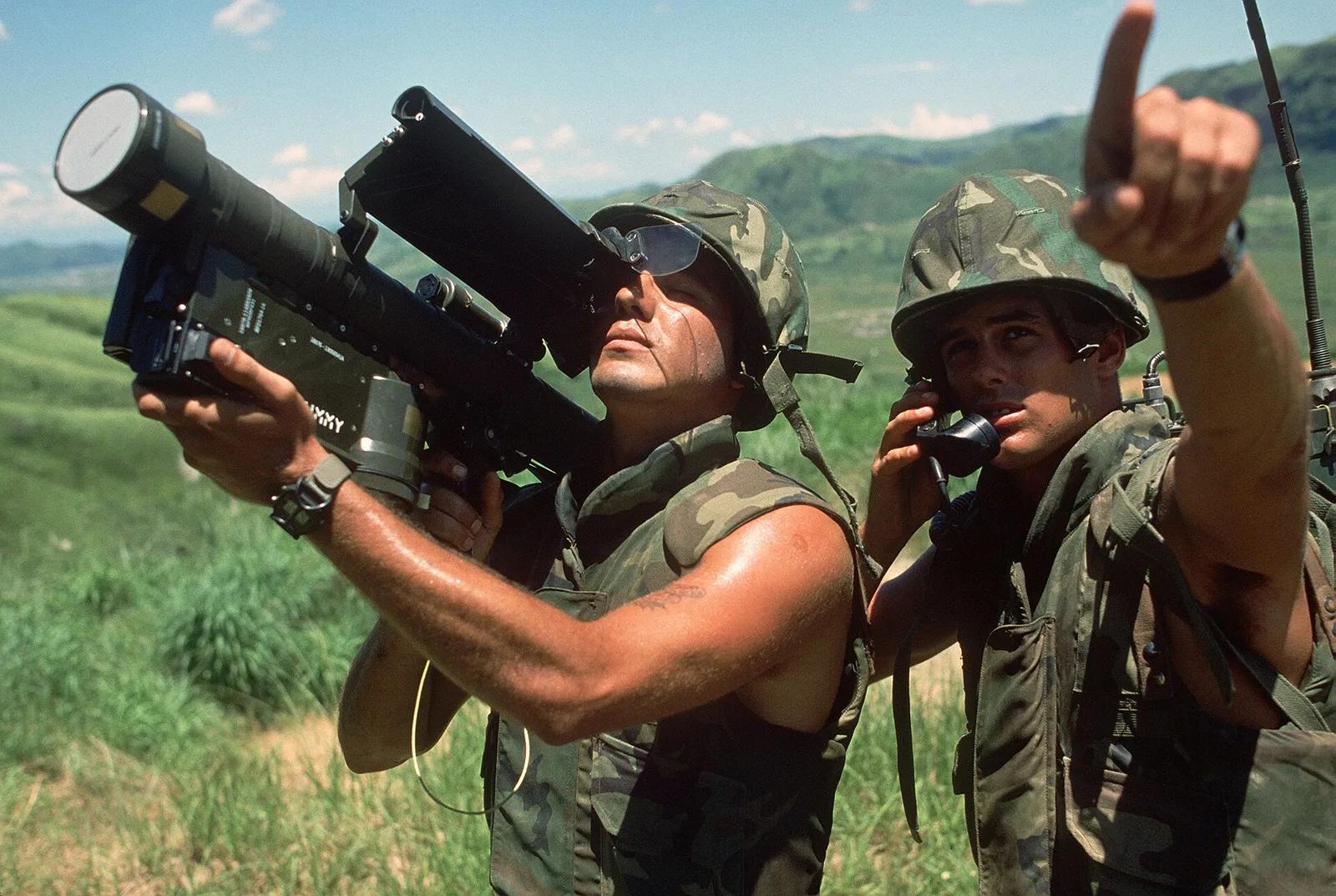
Three gunships near Jalalabad: the Stinger's first shots in Afghanistan, and how much they really changed
On 25 September 1986 a small mujahideen team fired the first CIA-supplied Stingers at Soviet Mi-24 helicopters. The moment became legend; the numbers behind it are still argued over.
 Explainer
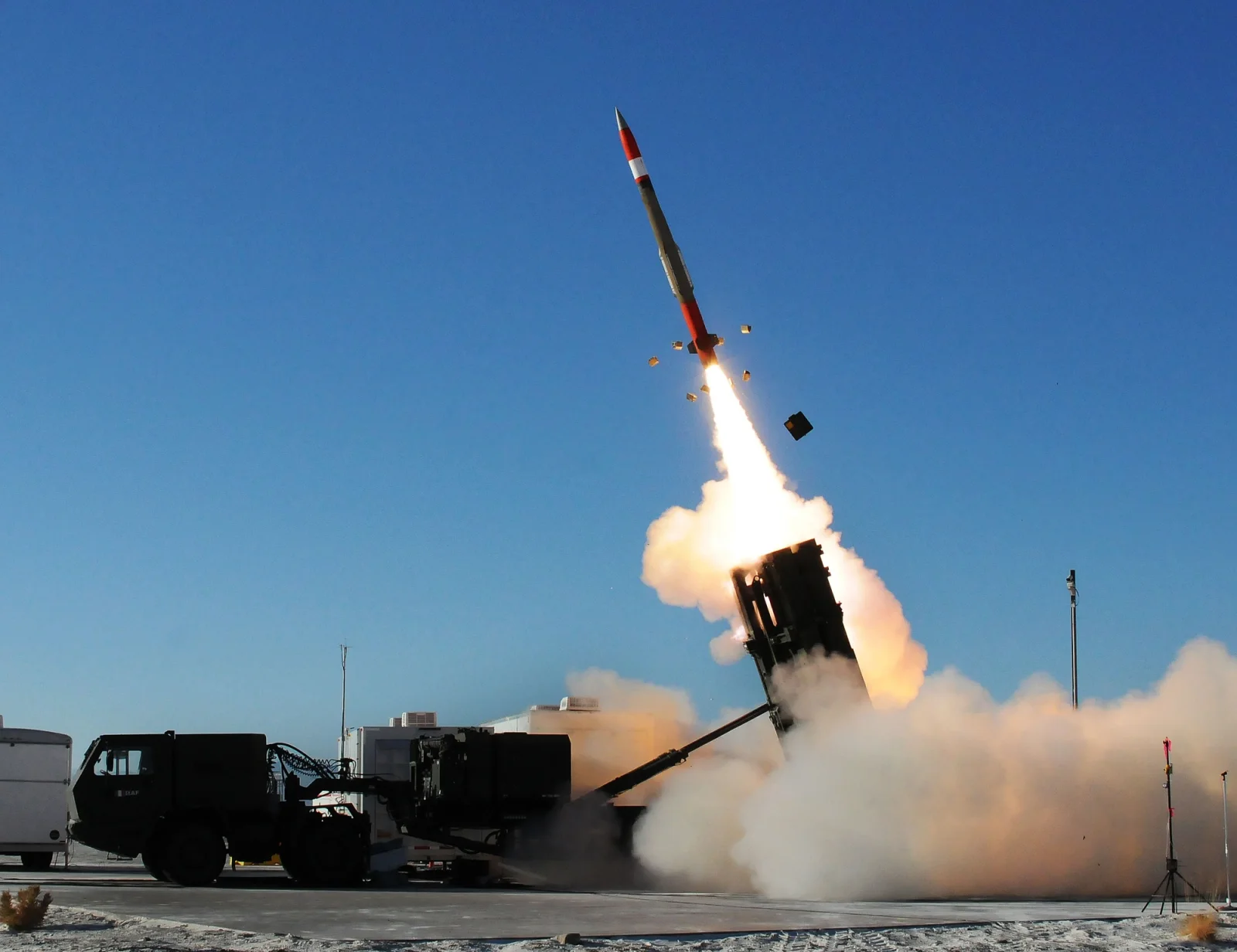
What a Patriot missile really costs: PAC-3 MSE, GEM-T, a full battery and Iron Dome compared
The U.S. Army's own budget books put a PAC-3 MSE at about $4.2 million for the missile alone and about $5 million with its share of hardware. Here is where that number comes from, what a GEM-T and a whole battery cost, and how Iron Dome compares.
 Explainer
Anti-drone lasers compared: DragonFire, Iron Beam, HELIOS and the race for the $2 shot
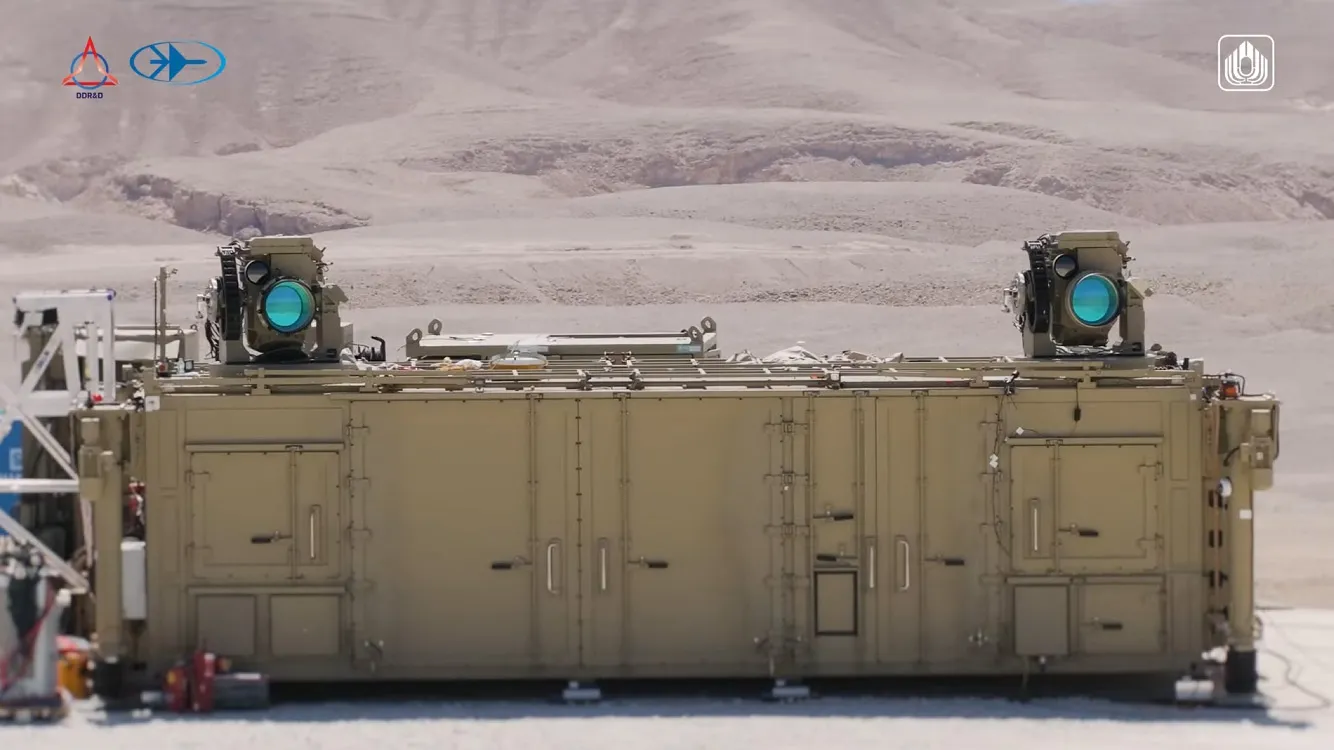
Power class, range, cost per shot and status of every laser weapon now aimed at drones, from Israel's 100 kW Iron Beam to Britain's £10-a-shot DragonFire, and the weather and dwell-time limits that still constrain them.