War story
Three gunships near Jalalabad: the Stinger's first shots in Afghanistan, and how much they really changed
On 25 September 1986 a small mujahideen team fired the first CIA-supplied Stingers at Soviet Mi-24 helicopters. The moment became legend; the numbers behind it are still argued over.
Editorial desk5 min read
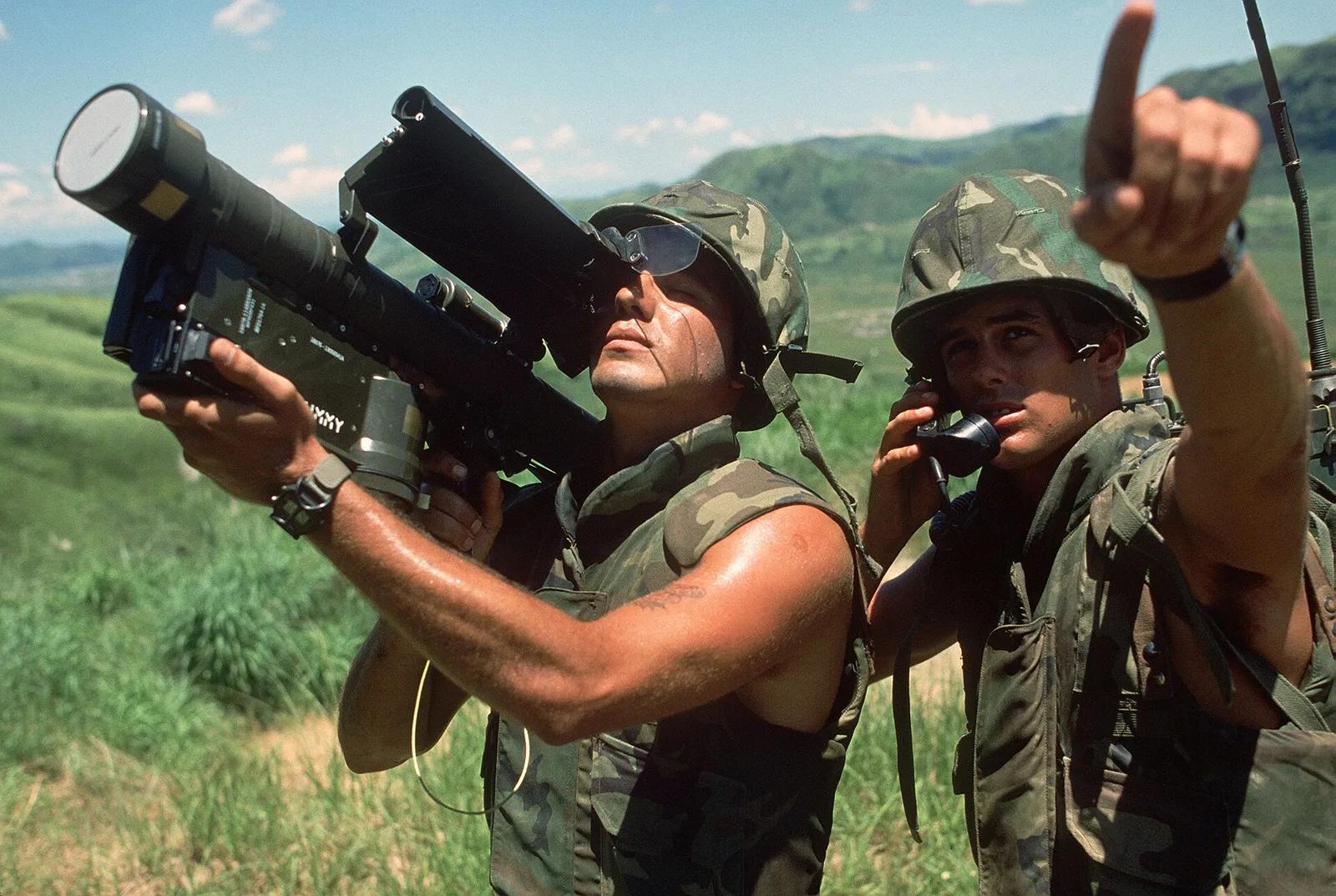
In September 1986, near the airfield at Jalalabad in eastern Afghanistan, a man known as Engineer Ghaffar and two colleagues waited for Soviet helicopters with a weapon no Afghan fighter had used before: the American FIM-92 Stinger. On 25 September, by the reference account, Ghaffar brought down the first Mi-24 Hind gunship of the war with one.
"That was a very good day," he told Stars and Stripes in 2008. "The helicopters were a big problem for us." The CIA had given his team a video camera to record the event. According to the book Ghost Wars, quoted by the same newspaper, the footage showed the men shouting as they fired, and by the third gunship the picture was jumping as everyone around the camera celebrated. Afterwards, Ghaffar said, they spent four hours running through the mountains.
How the missile got there
The decision had not been easy. Until late 1985 the CIA supplied only non-American weapons, to keep up the pretence that the United States was not directly involved. Earlier attempts to give the mujahideen portable air-defence missiles, the Soviet SA-7 and the British Blowpipe, had not worked well. Pressure from activists and officials in Washington, and the consent of Pakistan's President Zia-ul-Haq, through whose country every weapon passed, opened the way.
Under Operation Cyclone the CIA eventually supplied nearly 500 Stingers, by the reference work's count (some sources say 1,500 to 2,000), and 250 launchers. Fighters were trained in Pakistan, because no U.S. Army personnel were to enter Afghanistan.
What it changed, and what it did not
The 1993 U.S. Air Defense Artillery Yearbook credited mujahideen gunners with about 269 aircraft kills in some 340 engagements, a 79% kill probability. Those figures rest on the fighters' own reports. Soviet figures give far lower totals: only 35 aircraft and 63 helicopters destroyed by all causes in 1987–1988.
Analysts split along the same line. Robert Baumann of the U.S. Army staff college called the impact on Soviet tactics unmistakable. Alan Kuperman argued that within a few months flares, beacons and exhaust baffles were fitted to confuse the missile's heat seeker, crews switched to night flying and terrain-hugging, and by 1988 the mujahideen had all but stopped firing Stingers. Jonathan Steele wrote that the missiles mostly forced aircraft to bomb from higher and less accurately.
Our reading: both camps describe the same event at different moments. A new seeker works best on the day it surprises the other side; after that, a cheap countermeasure can take back much of its value.
The long tail
The last Stingers reached Afghanistan in 1988, amid reports of fighters selling them to Iran. From 1990 the United States ran a $55 million programme to buy back around 300 missiles. By 1996 about 600 were still missing, and some turned up in Croatia, Iran, Sri Lanka, Qatar and North Korea.
Where the story runs today
The countermeasures that blunted the FIM-92 Stinger in 1987 explain why other designs avoid heat seekers altogether. Saab's RBS 70 NG has no homing seeker: its missile rides a laser beam from the gunner's sight, so flares do not decoy it. On 13 November 2026 Ukraine's General Staff said one had shot down a jet-powered Geran-5 near Kyiv for the first time.
Türkiye's SUNGUR, developed since 2013 to replace the Stinger and in service since July 2022, keeps an infrared seeker but an imaging one that locks on before launch. For today's cheaper targets, see interceptor drones compared.
Frequently asked questions
- When was the first Stinger fired in Afghanistan?
- On 25 September 1986, near Jalalabad, when Engineer Ghaffar of Hezb-i-Islami brought down a Soviet Mi-24 Hind gunship. Stars and Stripes reports that he and two colleagues fielded the first Stingers used in the war.
- Was Afghanistan the Stinger's first combat use?
- No. British SAS soldiers fired it first in the Falklands War, shooting down an Argentine Pucará on 21 May 1982 and a Puma helicopter on 30 May.
- How many Stingers did the CIA send to Afghanistan?
- Nearly 500 missiles and 250 launchers by the reference work's count; some sources claim 1,500 to 2,000. Deliveries ended in 1988.
- Did the Stinger win the Soviet–Afghan war?
- That is disputed. A 1993 U.S. Army yearbook credited about 269 kills in 340 engagements, based on mujahideen reports; Soviet figures are far lower, and Alan Kuperman argues flares, decoys and new tactics blunted the missile within months.
Originally published by World of Interceptors at www.worldofinterceptors.com/blog/stinger-first-shot-jalalabad-1986. Quote or republish it freely with a link to this page. Compiled from open sources and cross-checked, but accuracy cannot be guaranteed; manufacturers and independent organisations can ask us to correct or remove information (disclaimer).
Sources
- 1.
FIM-92 Stinger — Service (Falklands War; Soviet War in Afghanistan) (opens in a new tab)
Wikipedia · Reference work (secondary) · Retrieved
Supports: SAS fired the first Stinger in combat in the Falklands (Pucará shot down 21 May 1982, Puma on 30 May); Engineer Ghaffar of Hezb-i-Islami brought down the first Hind with a Stinger on 25 September 1986 near Jalalabad; nearly 500 Stingers supplied under Operation Cyclone (some sources 1,500–2,000) and 250 launchers; 1993 ADA Yearbook claim of about 269 kills in 340 engagements versus Soviet figures and Kuperman's view that countermeasures blunted it; buy-back from 1990 at about $183,300 a missile; about 600 unaccounted for by 1996
- 2.
Military engineer recounts role in Soviet-Afghan war (opens in a new tab)
Stars and Stripes (Michael Gisick) · General press · Published · Retrieved
Supports: Ghaffar and two colleagues fielded the first Stingers used in Afghanistan near Jalalabad airport in September 1986; the CIA gave the team a video camera; the tape was shown to President Reagan; Ghaffar quotes on the helicopters and four hours running through the mountains
- 3.
General Staff of the Armed Forces of Ukraine (official Telegram channel) · Government · Published · Retrieved
Supports: Anti-aircraft gunners of the 1027th Anti-Aircraft Missile and Artillery Regiment were the first in Kyiv region to shoot down a Geran-5 with the Swedish RBS-70 MANPADS
- 4.
RBS 70 NG (opens in a new tab)
Saab · Manufacturer · Retrieved
Supports: Effective range over 9,000 m, altitude 0–5,000 m, BOLIDE Mach 2, laser guidance, 45 s deployment, reload under 5 s
- 5.
Sungur (missile) (opens in a new tab)
Wikipedia · Reference work (secondary) · Retrieved
Supports: Launch motor plus two-stage solid flight motor, programmable impact fuze, IIR seeker, 2013 contract, July 2020 IOC, July 2022 service entry, March 2024 acceptance
- 6.
SUNGUR Air Defence Missile System — technical specifications (opens in a new tab)
Roketsan · Manufacturer · Retrieved
Supports: Range 500 m–8 km, altitude up to 4 km, IIR lock-on before launch, warhead and fuze
Newsletter · every two weeks
The Interceptors Brief
What changed in air defence and counter-drone, in five minutes, with the sources attached.
Confirm by email · unsubscribe in one click · Privacy
More from the blog
 Explainer
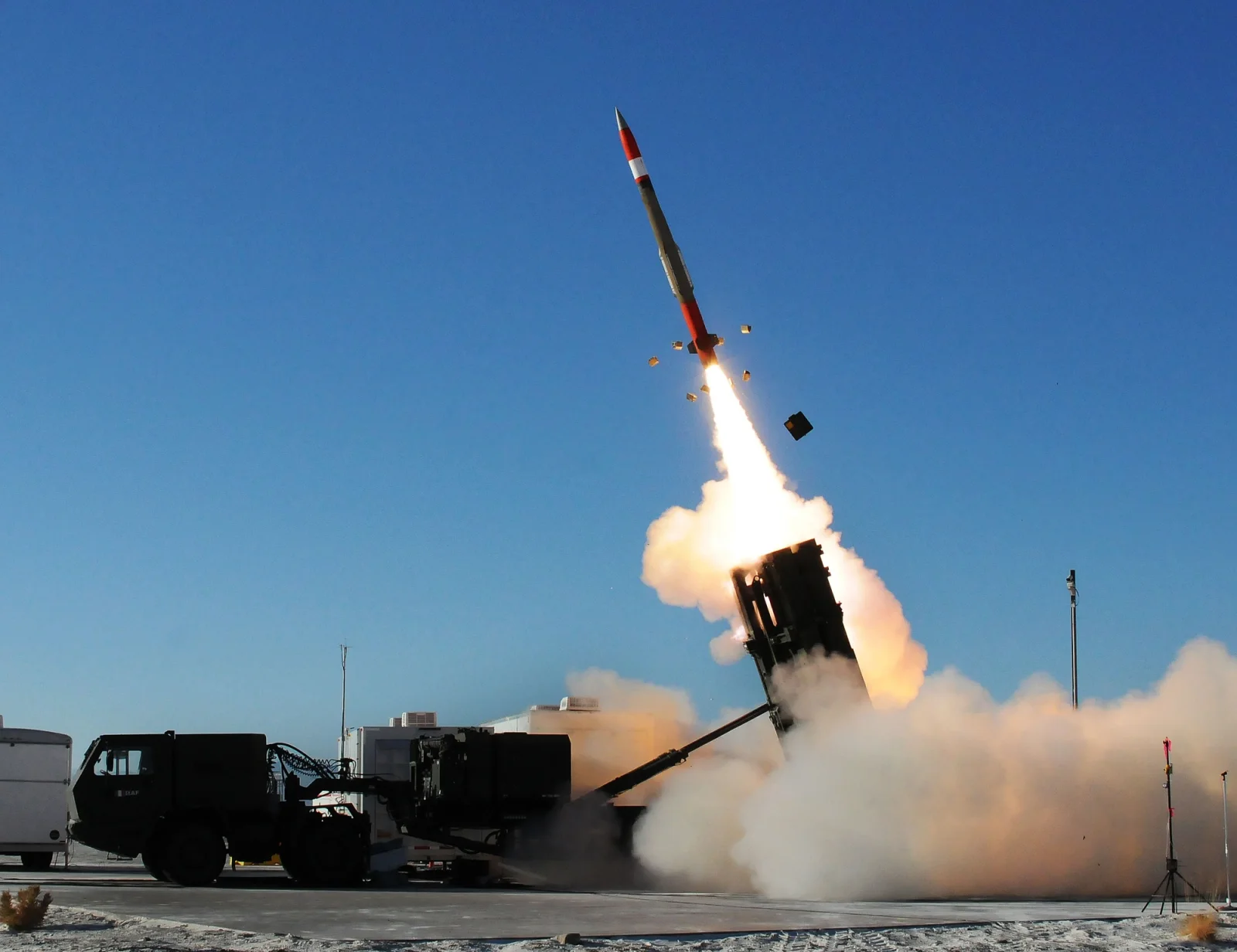
What a Patriot missile really costs: PAC-3 MSE, GEM-T, a full battery and Iron Dome compared
The U.S. Army's own budget books put a PAC-3 MSE at about $4.2 million for the missile alone and about $5 million with its share of hardware. Here is where that number comes from, what a GEM-T and a whole battery cost, and how Iron Dome compares.
 Explainer
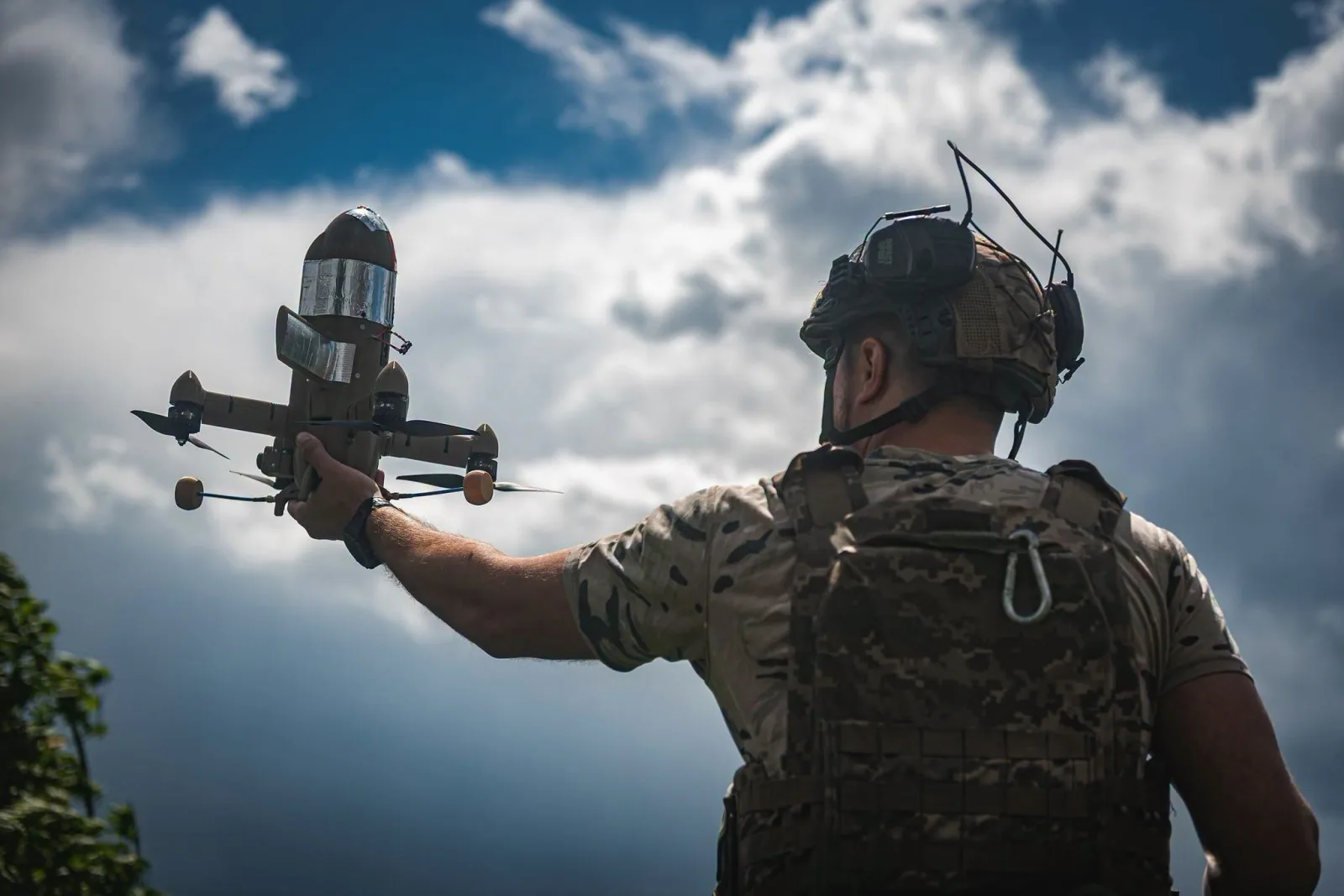
Interceptor drones compared: the cheap hunters built to stop the Shahed
From $1,000 Ukrainian quadcopters to $100,000 jet-powered American rounds: speed, warhead, price and status of every interceptor drone used or offered against Shahed-type drones, with the numbers behind the boom.
 Explainer
Anti-drone lasers compared: DragonFire, Iron Beam, HELIOS and the race for the $2 shot
Power class, range, cost per shot and status of every laser weapon now aimed at drones, from Israel's 100 kW Iron Beam to Britain's £10-a-shot DragonFire, and the weather and dwell-time limits that still constrain them.