
War story
'41 for 42': the Patriot's first war and the numbers nobody could prove
In 1991 the first missile-defence system used in combat was hailed as almost perfect. A year later, Congress heard it might have hit nothing at all. The lesson is about evidence.
Editorial desk6 min read
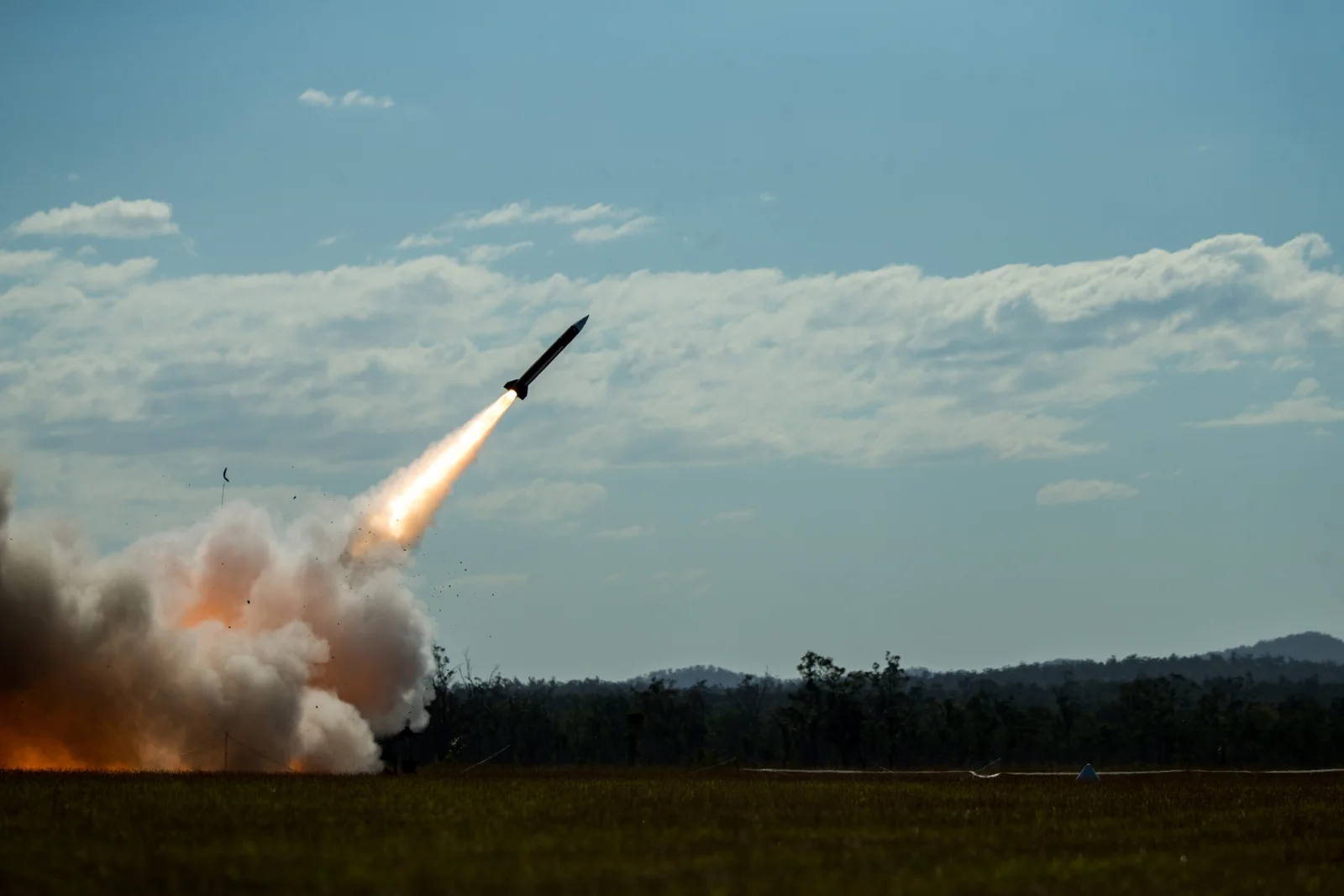
Before January 1991, nobody had shot down a ballistic missile in war. During Operation Desert Storm the U.S. Army's Patriot, designed against aircraft, was given the job of stopping Iraqi Scud and Al Hussein missiles fired at Saudi Arabia and Israel. It engaged more than 40 of them.
On 15 February 1991, at Raytheon's Patriot plant in Andover, Massachusetts, President George H. W. Bush gave the result in four words: 'Patriot is 41 for 42.'
Then came the arguments
On 7 April 1992, MIT's Theodore Postol and Tel Aviv University's Reuven Pedatzur told a House committee that their analysis of video tapes put Patriot's success rate below 10%, and perhaps at zero. On the same day, Charles Zraket and Peter Zimmerman disputed their methods. Zimmerman pointed to Scud fuselages recovered in Saudi Arabia riddled with fragments from Patriot warheads.
Part of the dispute was about words. A 'success' could mean a Scud destroyed, or merely knocked off course into empty desert; 'accuracy' meant hits per Patriot fired. Doctrine called for several Patriots per Scud — about three on average in Saudi Arabia — so a high success rate could hide a low hit rate. Iraq's lengthened Scuds also tended to break up on the way down, giving the radar several pieces to choose from.
In September 1992 the U.S. General Accounting Office published its review. Its title gave the verdict: data did not exist to conclusively say how well Patriot had performed.
Dhahran
One failure was not in dispute. On 25 February 1991 a Scud struck a barracks in Dhahran, killing 28 soldiers of the U.S. Army's 14th Quartermaster Detachment. The GAO traced it to software: after about 100 hours of continuous operation, the battery's clock had drifted by about a third of a second. At a Scud's speed that was enough for the radar to look in the wrong part of the sky, find nothing, and drop the track. No interception was attempted. Corrected software reached the Army the next day.
Why it still matters
Every interception claim since — from Iron Dome to the interceptor drones over Kyiv — runs into the same questions: hit or deflected, per target or per interceptor, measured by whom and with what record. That is why our records separate manufacturer claims, test results and operational reporting, and why a single night's success rate is not a performance figure.
Originally published by World of Interceptors at www.worldofinterceptors.com/blog/patriot-41-for-42. Quote or republish it freely with a link to this page. Compiled from open sources and cross-checked, but accuracy cannot be guaranteed; manufacturers and independent organisations can ask us to correct or remove information (disclaimer).
Sources
- 1.
MIM-104 Patriot (opens in a new tab)
Wikipedia · Reference work (secondary) · Retrieved
Supports: Gulf War engagements; '41 for 42' claim; Postol and Zimmerman testimony; success rate versus accuracy; Dhahran failure
- 2.
U.S. General Accounting Office · Government · Published · Retrieved
Supports: Review of whether the Army's revised assessment of Patriot engagements was supported by data
- 3.
U.S. General Accounting Office · Government · Published · Retrieved
Supports: Clock drift after about 100 hours of operation; failure to track the Scud that struck the Dhahran barracks
Newsletter · every two weeks
The Interceptors Brief
What changed in air defence and counter-drone, in five minutes, with the sources attached.
Confirm by email · unsubscribe in one click · Privacy
More from the blog
 War story
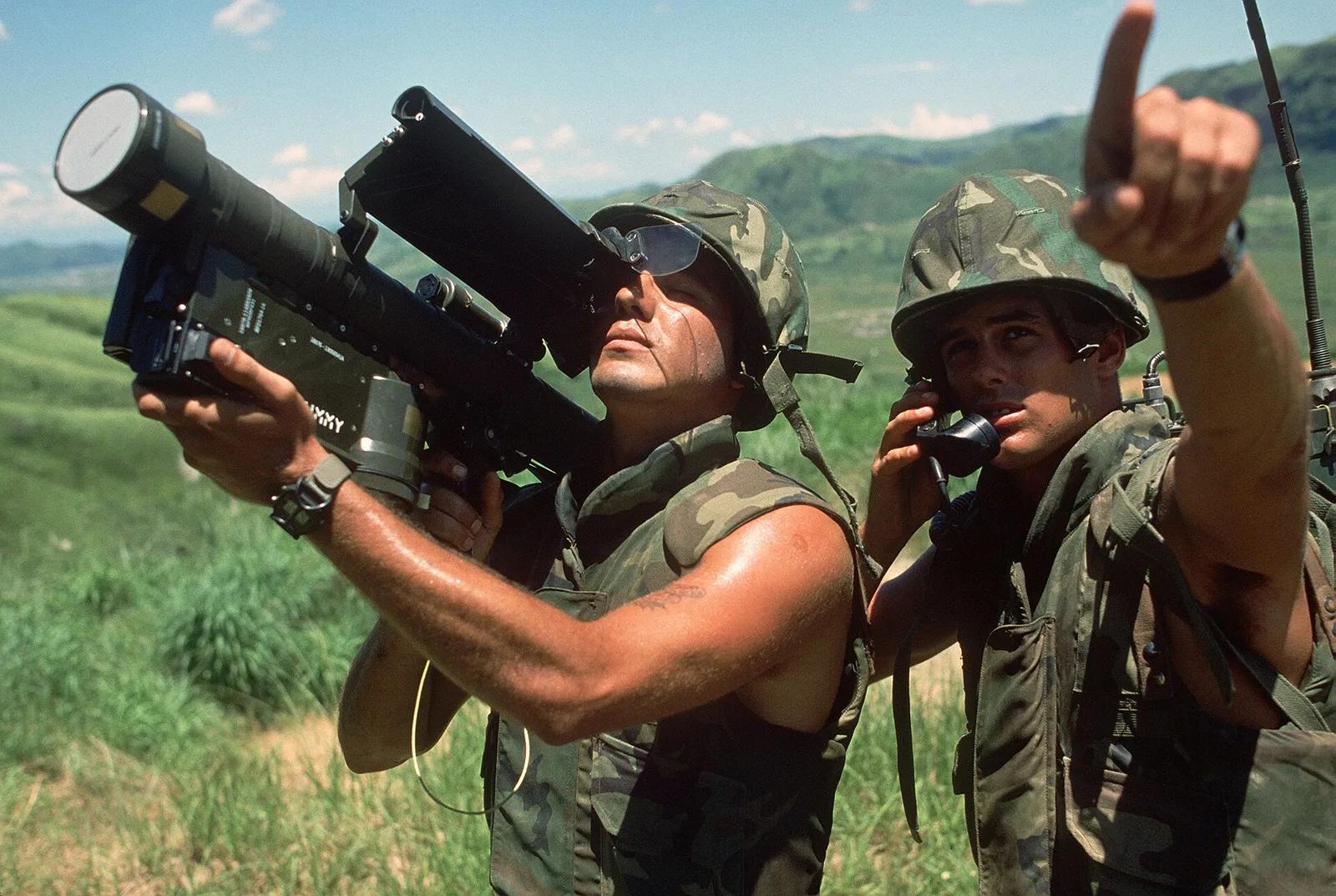
Three gunships near Jalalabad: the Stinger's first shots in Afghanistan, and how much they really changed
On 25 September 1986 a small mujahideen team fired the first CIA-supplied Stingers at Soviet Mi-24 helicopters. The moment became legend; the numbers behind it are still argued over.
 Explainer
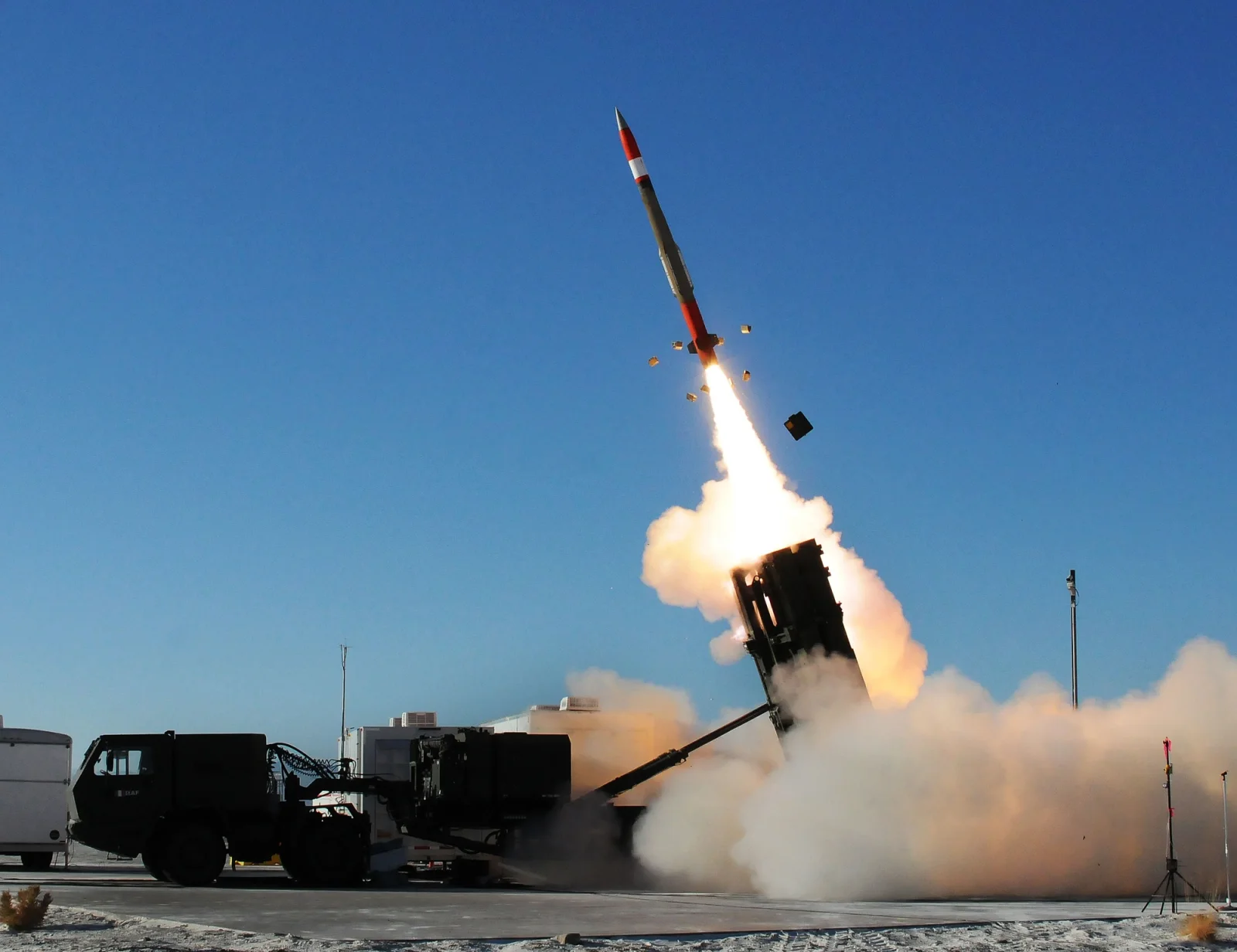
What a Patriot missile really costs: PAC-3 MSE, GEM-T, a full battery and Iron Dome compared
The U.S. Army's own budget books put a PAC-3 MSE at about $4.2 million for the missile alone and about $5 million with its share of hardware. Here is where that number comes from, what a GEM-T and a whole battery cost, and how Iron Dome compares.
 Explainer
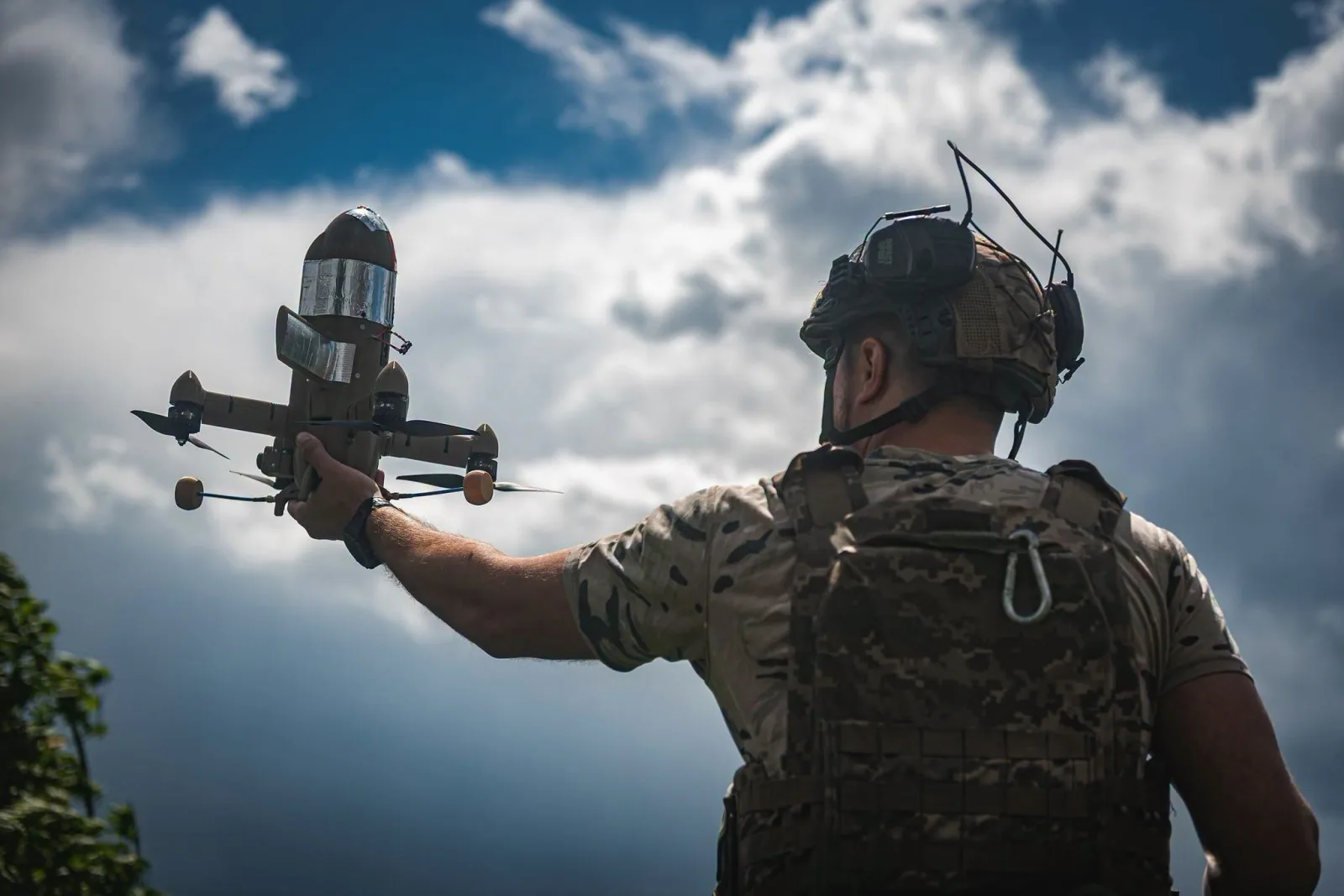
Interceptor drones compared: the cheap hunters built to stop the Shahed
From $1,000 Ukrainian quadcopters to $100,000 jet-powered American rounds: speed, warhead, price and status of every interceptor drone used or offered against Shahed-type drones, with the numbers behind the boom.