
Current
Faster than the hunters: how jet-powered Shaheds broke Ukraine's cheapest air defence
Cheap interceptor drones once stopped most propeller Shaheds over Kyiv. The jet versions fly three times faster, and the race to catch them is now about speed, not price.
Editorial desk6 min read
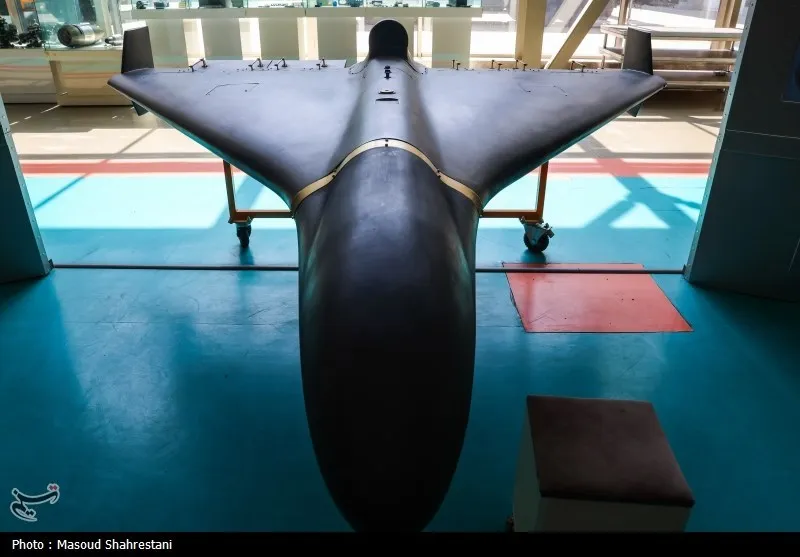
For most of the war, the arithmetic of the Shahed favoured the defender only when the defender cheated on price. A propeller-driven Geran-2 cruises slowly enough that a mobile fire team with a machine gun, or a small drone costing a few thousand dollars, can catch it. By early 2026 Ukraine had built much of its defence around exactly that, and interceptor drones were bringing down most of the Shaheds aimed at Kyiv.
Then Russia changed the engine.
Three times faster
Russia began using jet-powered Gerans heavily in July 2026, when their numbers jumped fivefold in a month, Ukrainian air force officials told lawmakers. They reach up to about 600 km/h, more than three times the speed of the Geran-2 they evolved from, and well beyond the top speed of the average Ukrainian interceptor drone.
Defense News, citing Ukraine's military intelligence, reports that Russia has stopped building the slower Geran-3 and moved production to the Geran-4, which cruises at 350–500 km/h, and the missile-shaped Geran-5 with a 90 kg warhead. The air force expects speeds of 800–900 km/h in future, although none has been recorded yet.
“The Geran-5 flies 150 km/h faster than the Geran-4, so the goal is to intercept from the front rather than the rear — a much harder problem to solve.”
What the numbers say
Against the older drones, Ukrainian interceptors stopped roughly 90%. Against the jets, rates fell sharply at first. A Quantum Systems executive told Ukrinform that the interception rate rose from very low to more than 30%, then above 50%; on one night in October the air force reported downing 77% of incoming jet drones. Those are single-night figures from interested parties, not a campaign average.
Jet drones already make up about 40% of Russian launches, and the air force expects that share to reach 80%. Until fast interceptors arrive in numbers, Ukraine has to fall back on F-16s, AI-aimed machine-gun turrets and surface-to-air missiles that are scarce worldwide.
The new hunters
According to Brave1's Andrii Hrytseniuk, seven types of interceptor are already in use against the jets, and the approaches differ widely: some use miniature turbojets, others powerful electric motors and propellers, others electric ducted fans that look like jet engines but run on batteries. Wild Hornets' STING S and SkyFall's P1-SUN Jetkiller have each brought down a small number of Geran-5s, officials told the Kyiv Independent.
Fourteen companies are flight-testing jet interceptors with the air force and three have shown promising results, but officials did not expect delivery at the scale needed before the end of November at the earliest. When the propeller Shahed first appeared, Hrytseniuk recalls, scaling interceptor production took six months.
Our reading
The cheap interceptor worked because it only had to be faster than a lawnmower engine. A jet target removes that margin: the interceptor has to fly faster, turn harder and meet the target head-on, and every one of those requirements raises its price. Industry figures put a jet Shahed at $20,000–30,000. The open question is whether an interceptor fast enough to catch it can stay below that price — the same cost-exchange problem that drives CİRİT C-UAS, APKWS and the other low-cost missiles in our reference.
Originally published by World of Interceptors at www.worldofinterceptors.com/blog/jet-shaheds-outrun-the-hunters. Quote or republish it freely with a link to this page. Compiled from open sources and cross-checked, but accuracy cannot be guaranteed; manufacturers and independent organisations can ask us to correct or remove information (disclaimer).
Sources
- 1.
Ukraine races to field faster interceptors as Russia hammers its energy grid (opens in a new tab)
Defense News · Specialist press · Published · Retrieved
Supports: Jet drone speeds up to 600 km/h; Geran-4 and Geran-5; interception rates; Alexa Spatium in service 21 August; 14 companies flight-testing; jets about 40% of launches
- 2.
UNITED24 Media · General press · Published · Retrieved
Supports: Seven interceptor types in use; 22 development teams, 12 funded through Brave1; turbojet, electric and ducted-fan designs
- 3.
Fast-flying Shahed drones spur new class of interceptors (opens in a new tab)
Defense One · Specialist press · Published · Retrieved
Supports: Industry view that jet Shaheds cost $20,000–30,000 and need interceptors flying 600–700 km/h
Newsletter · every two weeks
The Interceptors Brief
What changed in air defence and counter-drone, in five minutes, with the sources attached.
Confirm by email · unsubscribe in one click · Privacy
More from the blog
 War story
Three gunships near Jalalabad: the Stinger's first shots in Afghanistan, and how much they really changed
On 25 September 1986 a small mujahideen team fired the first CIA-supplied Stingers at Soviet Mi-24 helicopters. The moment became legend; the numbers behind it are still argued over.
 Explainer
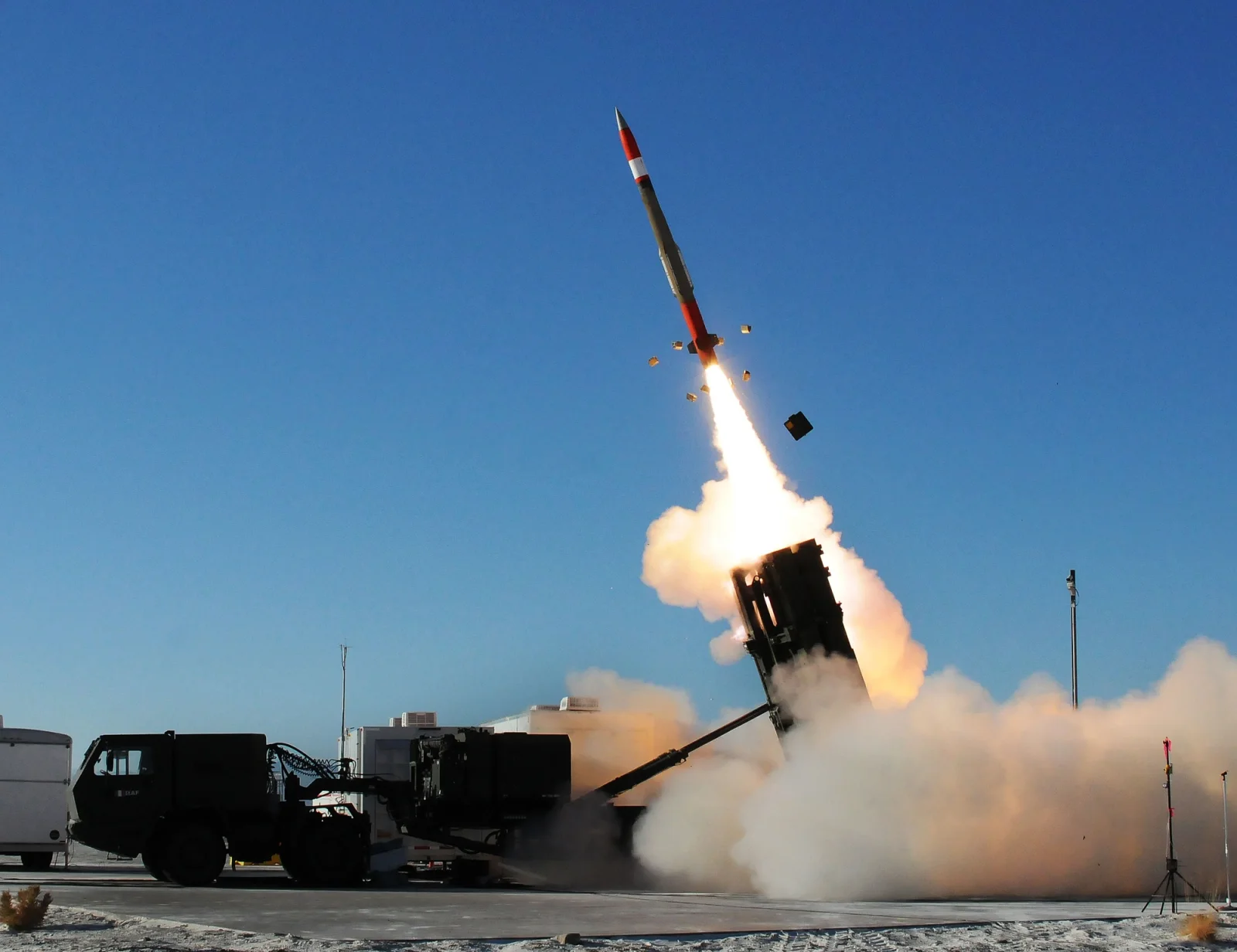
What a Patriot missile really costs: PAC-3 MSE, GEM-T, a full battery and Iron Dome compared
The U.S. Army's own budget books put a PAC-3 MSE at about $4.2 million for the missile alone and about $5 million with its share of hardware. Here is where that number comes from, what a GEM-T and a whole battery cost, and how Iron Dome compares.
 Explainer
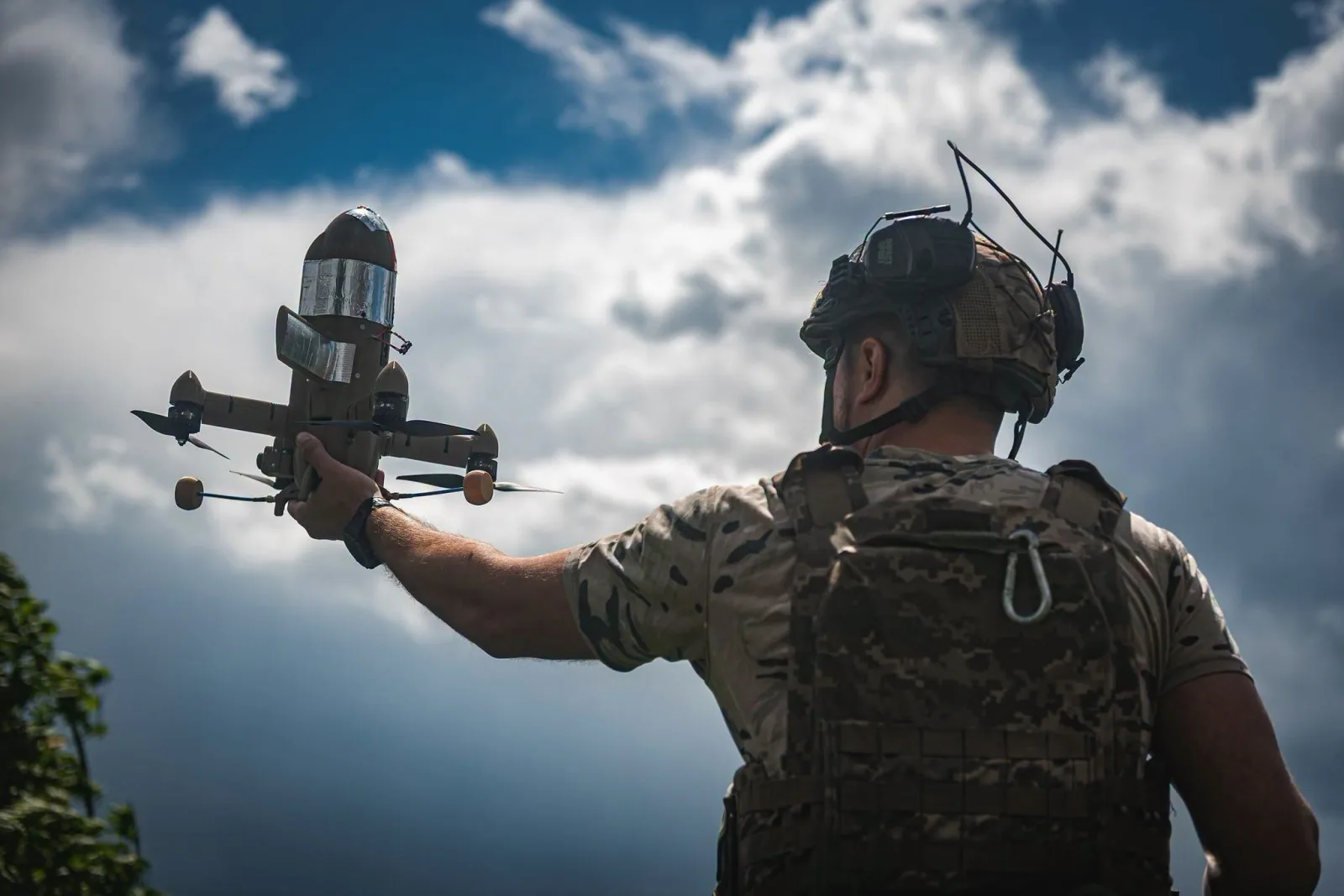
Interceptor drones compared: the cheap hunters built to stop the Shahed
From $1,000 Ukrainian quadcopters to $100,000 jet-powered American rounds: speed, warhead, price and status of every interceptor drone used or offered against Shahed-type drones, with the numbers behind the boom.