| Role |
|---|
| Primary category | Interceptor Drones | Interceptor Drones | Interceptor Drones | Interceptor Drones |
|---|
| Subcategory | Explosive or fragmentation-effect interceptors | Explosive or fragmentation-effect interceptors | Explosive or fragmentation-effect interceptors | Explosive or fragmentation-effect interceptors |
|---|
| Interception mechanism | Blast-fragmentation | Blast-fragmentation | Proximity fuze, Blast-fragmentation | Blast-fragmentation, Collision |
|---|
| Target types | Small UAS, Loitering munitions, One-way attack UAVs | One-way attack UAVs, Loitering munitions, Small UAS | One-way attack UAVs, Loitering munitions, Small UAS | Small UAS, One-way attack UAVs |
|---|
| Platform | Man-portable, Vehicle-mounted | Man-portable | Fixed site, Vehicle-mounted, Shipborne | Fixed site, Vehicle-mounted, Man-portable |
|---|
| Status | In service | In service | Testing | In production |
|---|
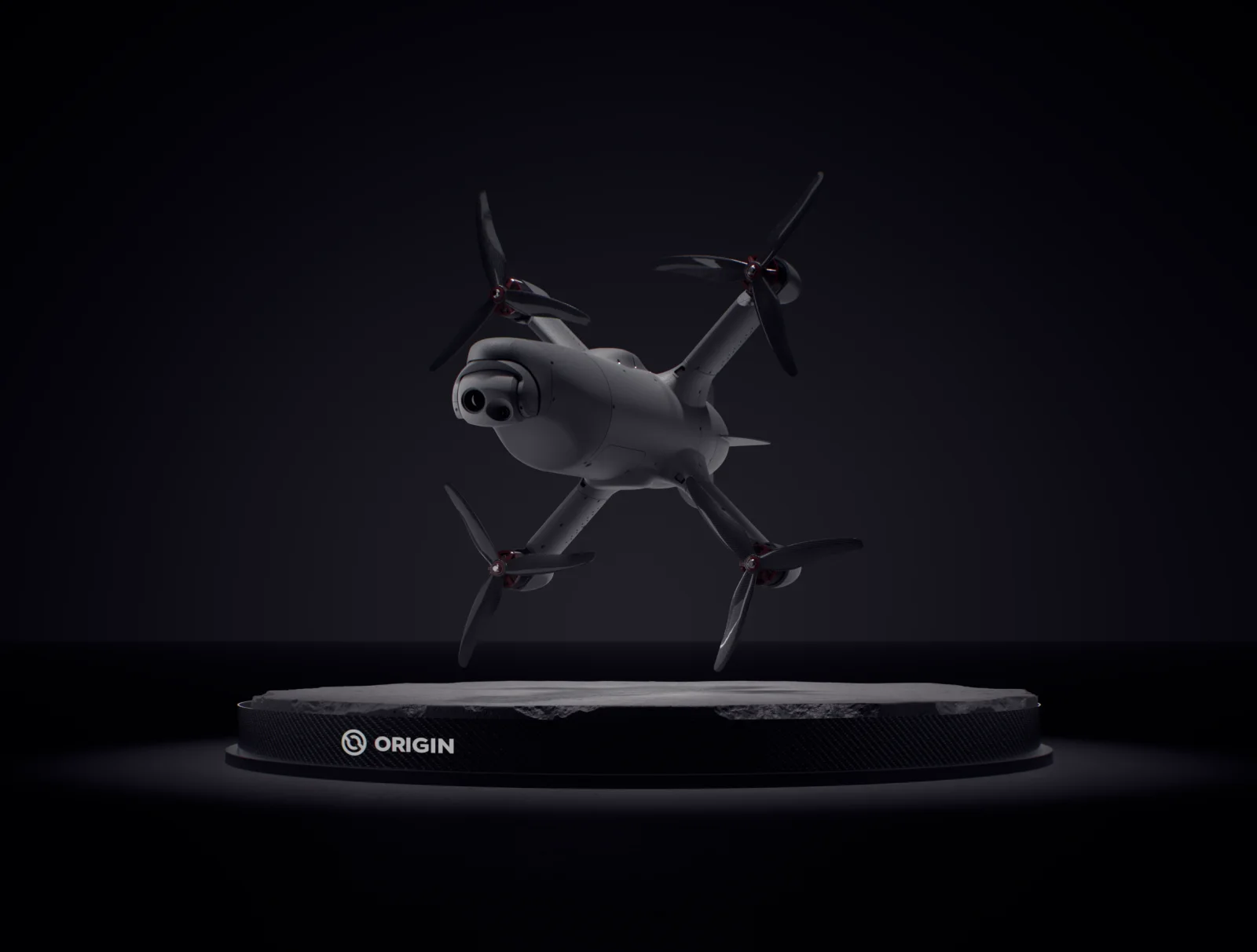
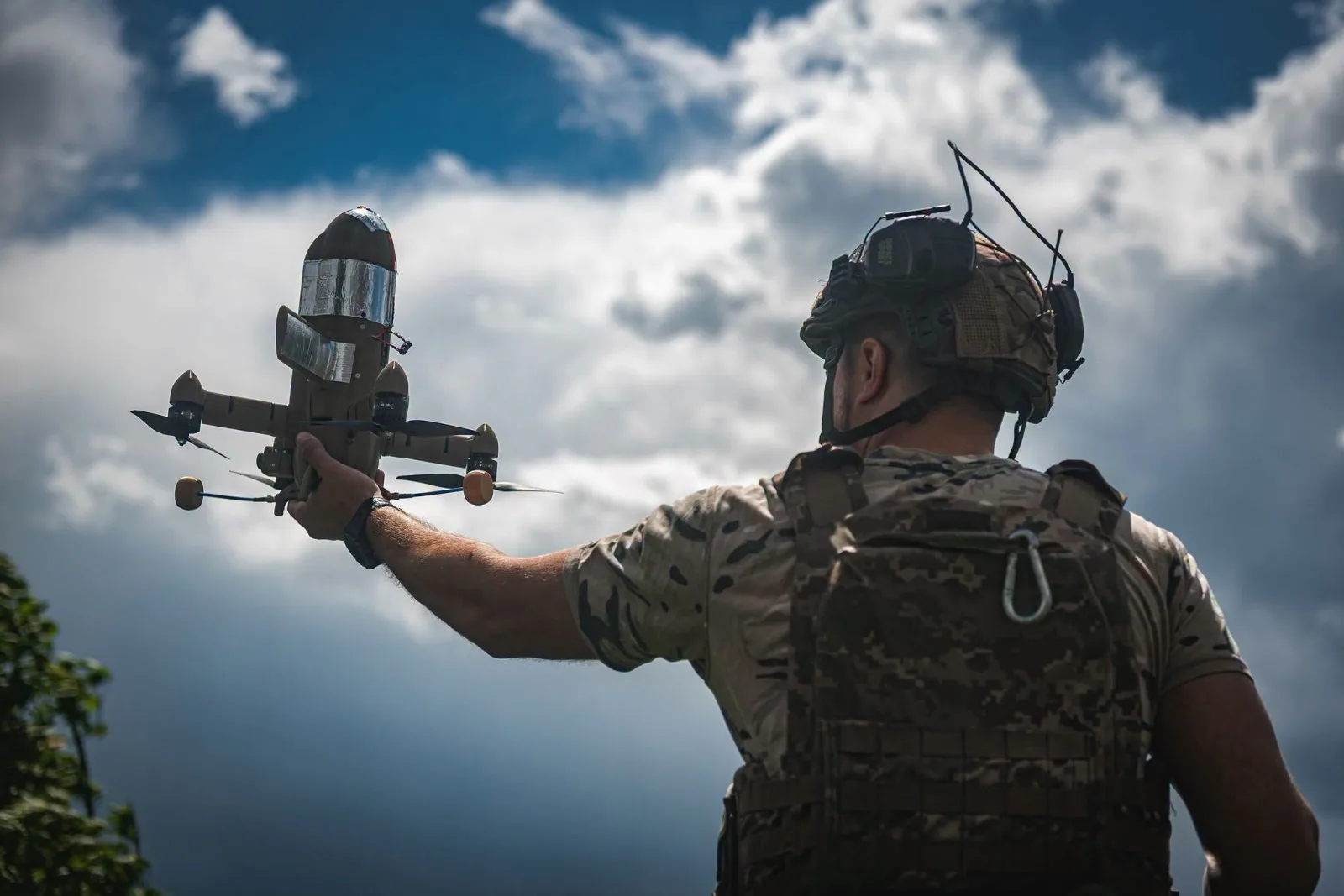
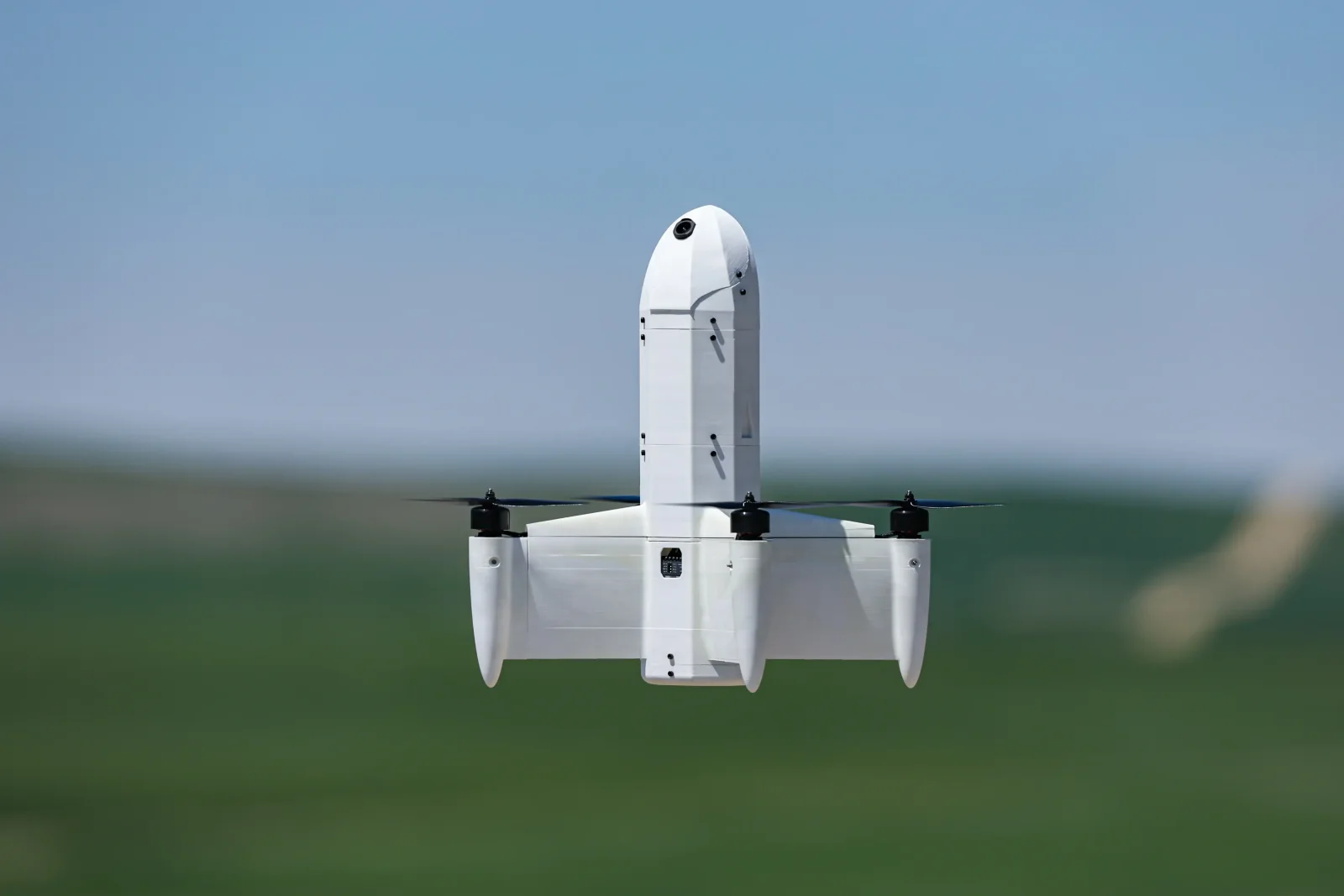
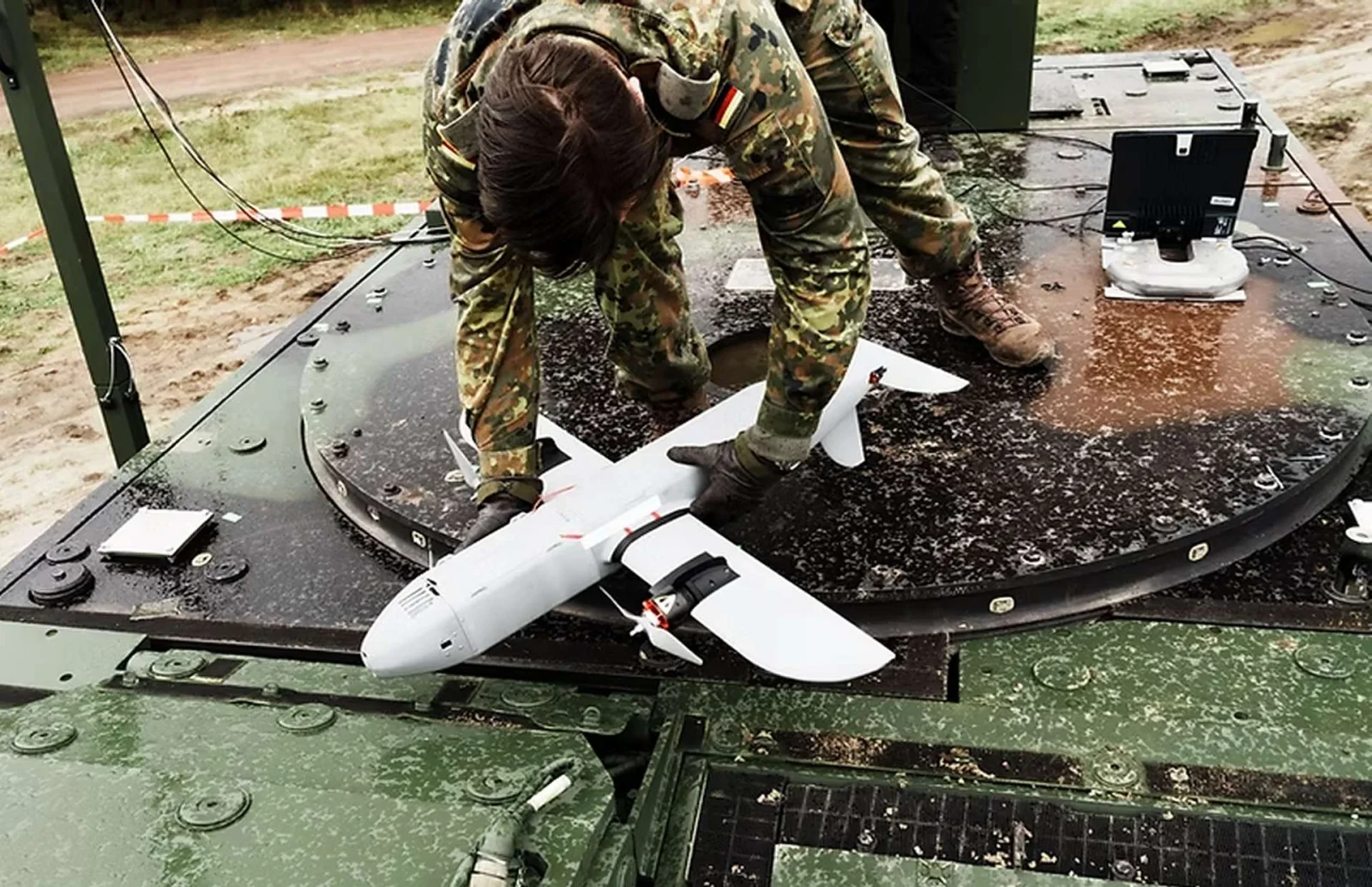
| Developer · Country | Origin Robotics · Latvia | Wild Hornets · Ukraine | STM Savunma Teknolojileri Mühendislik ve Ticaret · Türkiye | TYTAN Technologies · Germany |
|---|
| Propulsion | Electric | Electric | Not publicly disclosed | Not publicly disclosed |
|---|
| Reusability | Single-use | Single-use | Recoverable | Single-use |
|---|
| Technical profile |
|---|
| Seeker | Not recorded | Not recorded | Not recorded | AI-powered thermal camera[1] |
|---|
| Guidance | Radar-guided approach; operator confirms the engagement and can wave off until the final approach[1] | Flown into the target by an FPV operator; 'Hornet Vision Control' remote control reported at up to 2,000 km[1][2][3] | Ground radar detects at about 10 km and hands over; GNSS or optical guidance, then image-based autonomous tracking[1][2] | Ground-radar cueing and autonomous navigation; computer-vision terminal guidance, reported to work under GPS denial[1][2] |
|---|
| Sensors | EO/IR sensor suite with AI recognition for identification and lock-on[1] | Thermal camera (Kurbas thermal imagers from Odd Systems reported)[1][3] | | Not recorded |
|---|
| Warhead | High-explosive fragmentation, 800 g, with a three-level arming safety system[1][2] | 500 g explosive payload, detonated remotely[1] | 750 g warhead with proximity, impact or manual detonation[1][2] | METIS: collision or fragmentation warhead (about 1.2 kg payload); EOS: no explosive, collision only[1][4] |
|---|
| Motor / propulsion | Four electric motors; vertical take-off[2] | Four electric rotors on a 3D-printed, bullet-shaped body[2][3] | Multi-rotor VTOL; 300 km/h top speed, 150 km/h cruise[1] | METIS: fixed wing with two electric motors; EOS: multicopter[3][4] |
|---|
| Data link | Not recorded | ELRS control link with digital or analogue video[1] | Not recorded | Data link for human override at launch and in the terminal phase[2] |
|---|
| Launcher | Transport case doubles as launch station and charging dock; first launch under 5 min, later ones under 1 min[1] | Ground launch without a catapult; also launched from a Magura uncrewed surface vessel carrying 18 interceptors[1][3] | Vertical launch without a dedicated launcher from land, air and naval platforms or confined spaces[1][2] | Tripod stand; vehicle-mounted rails or ISO container holding several ready rounds[1][2] |
|---|
| Launch and recovery | Expended; self-destructs on geofence breach, loss of link or critical failure[1] | Can return if no target is found[1] | Mission can be cancelled and the drone flown home (return-to-home)[1] | Not recorded |
|---|
| Fire control / radar | Not recorded | Not recorded | Not recorded | Plugs into existing sensors and C2; one operator controls several interceptors[1] |
|---|
| Crew | Not recorded | One FPV operator; about 2 days' conversion training for qualified FPV pilots[1] | Not recorded | Not recorded |
|---|
| Characteristics |
|---|
| Maximum range (km) | At least 10 kmManufacturer claim[2] | Up to 37 kmManufacturer claim[1] | 25 kmManufacturer claim[1] | 20–60 kmManufacturer claim[1] |
|---|
| Maximum altitude (km) | Not recorded | 7 kmManufacturer claim[1] | 5 kmManufacturer claim[1] | 3–5 kmManufacturer claim[1] |
|---|
| Speed (m/s) | Not recorded | Up to 78 m/sManufacturer claim[1] | Up to 83 m/sManufacturer claim[1] | 56–104 m/sManufacturer claim[1] |
|---|
| Endurance (min) | Not recorded | 6–15 minManufacturer claim[1] | 15 minManufacturer claim[1] | Not recorded |
|---|
| Mass (kg) | Up to 6 kgSecondary reference[2] | ≈ 4 kgManufacturer claim[1] | Not recorded | 3.5–6 kgManufacturer claim[1] |
|---|
| Guidance / cueing | Radar-guided approach; EO/IR with AI lock-on; operator-confirmed engagementManufacturer claim[1] | Operator-flown (ELRS control, digital or analogue video, thermal camera)Manufacturer claim[1] | Radar cueing; GNSS or optical guidance with EO/IR image trackingManufacturer claim[1] | Ground radar and autonomous navigation; AI thermal cameraManufacturer claim[1] |
|---|
| Launch / operating platform | Transport case used as launch stationManufacturer claim[1] | Not recorded | Not recorded | Not recorded |
|---|
| Programme |
|---|
| Operators (in service / ordered) | 4: Latvia, Belgium, Estonia, France[3] | | Not recorded | 3: Ukraine, Germany, Baltic states (not named)[2][3][4] |
|---|
| Platforms and integration | Not recorded | Magura uncrewed surface vessel (18 interceptors) (in service)[3] | Not recorded | Boxer with RCT30 turret (interceptor in a vehicle compartment) (tested), Mercedes-Benz G-Class and Sprinter vehicle platforms (proposed), Hensoldt sensors and C2 (in development)[1][4] |
|---|
| Production / deliveries | Not recorded | March 2026: over 10,000 a month produced[3] | Not recorded | from August 2026: 3,000 a month planned rate[3][4] |
|---|
| Latest development | 2026-06-17: French selection and local assembly[3] | 2026-09-20: STING S downs a Geran-5[2][3] | 2026-10-25: Intercept in TURNAs-2026[2] | 2026-08: New factory scheduled to start[3][4] |
|---|