| Role |
|---|
| Primary category | Interceptor Drones | Interceptor Drones | Interceptor Drones | Interceptor Drones |
|---|
| Subcategory | Collision-based interceptors | Explosive or fragmentation-effect interceptors | Explosive or fragmentation-effect interceptors | Explosive or fragmentation-effect interceptors |
|---|
| Interception mechanism | Collision, Blast-fragmentation | Blast-fragmentation | Blast-fragmentation | Blast-fragmentation |
|---|
| Target types | One-way attack UAVs, Small UAS | One-way attack UAVs, Loitering munitions, Small UAS | Small UAS, One-way attack UAVs, Loitering munitions | One-way attack UAVs, Small UAS |
|---|
| Platform | Vehicle-mounted | Man-portable | Fixed site, Vehicle-mounted | Man-portable |
|---|
| Status | In service | In service | In service | In service |
|---|
| Developer · Country | Perennial Autonomy (formerly Project Eagle) · United States | Wild Hornets · Ukraine | RTX (Raytheon) · United States | SkyFall · Ukraine |
|---|
| Propulsion | Not publicly disclosed | Electric | Turbojet | Electric |
|---|
| Reusability | Recoverable | Single-use | Single-use | Single-use |
|---|
| Technical profile |
|---|
| Seeker | Not recorded | Not recorded | RF seeker since Block 1B; Block 2C+RM adds a new seeker (type not published)[1][3] | Not recorded |
|---|
| Guidance | Operator-flown or autonomous terminal homing with AI and thermal, RF or radar cues[1] | Flown into the target by an FPV operator; 'Hornet Vision Control' remote control reported at up to 2,000 km[1][2][3] | Semi-active guided airframe, cued and guided from the ground by the KuRFS radar[2][7] | Remote control; AI terminal guidance locks on at up to about 1 km on P1-SUN Long[2] |
|---|
| Sensors | Not recorded | Thermal camera (Kurbas thermal imagers from Odd Systems reported)[1][3] | Not recorded | Not recorded |
|---|
| Warhead | Rams the target or carries a small warhead[1] | 500 g explosive payload, detonated remotely[1] | Proximity blast-fragmentation warhead with ESAD fuze and terminal air arming; Block 3NK carries a non-kinetic payload[1][7] | 500 g on the JetKiller[1] |
|---|
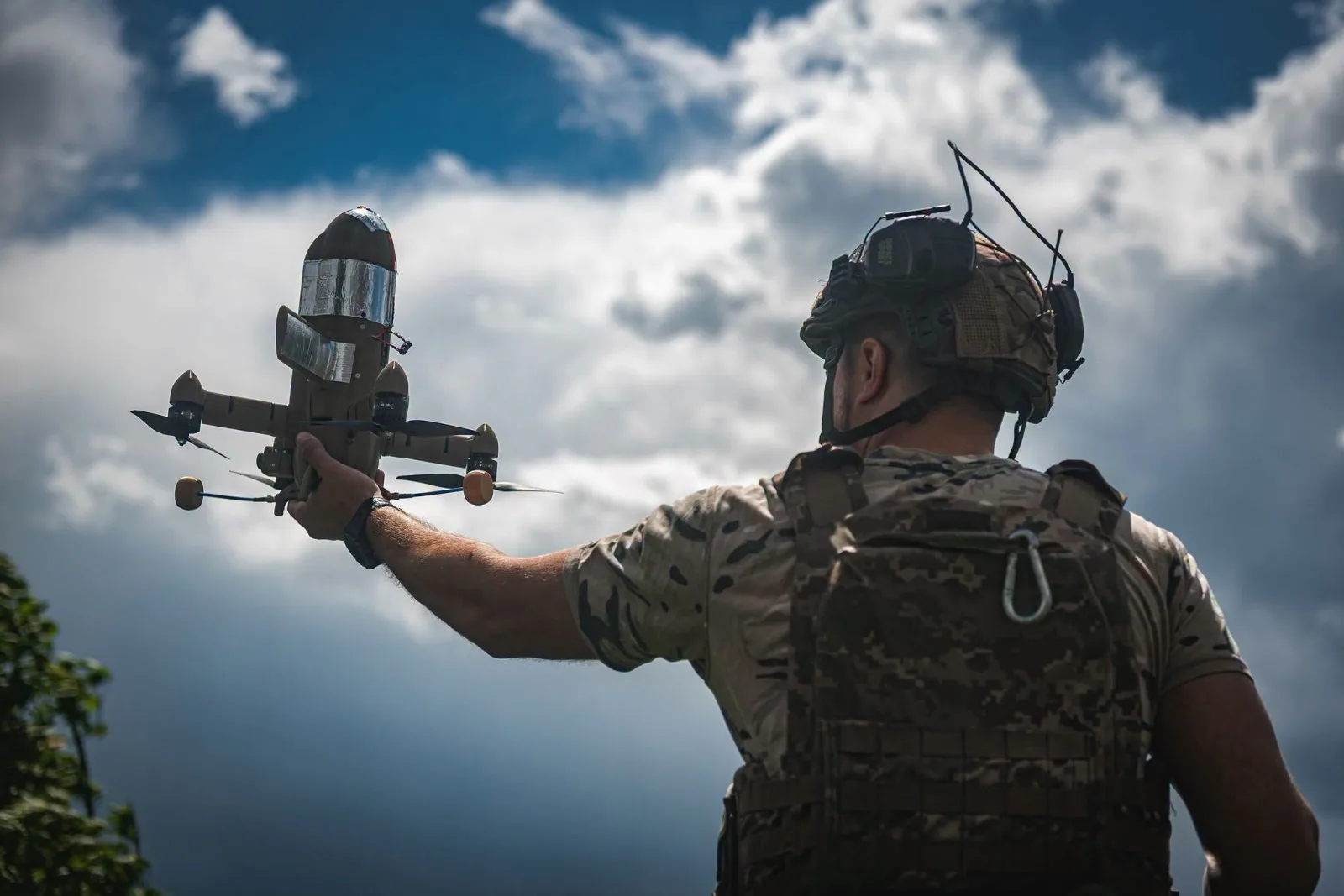
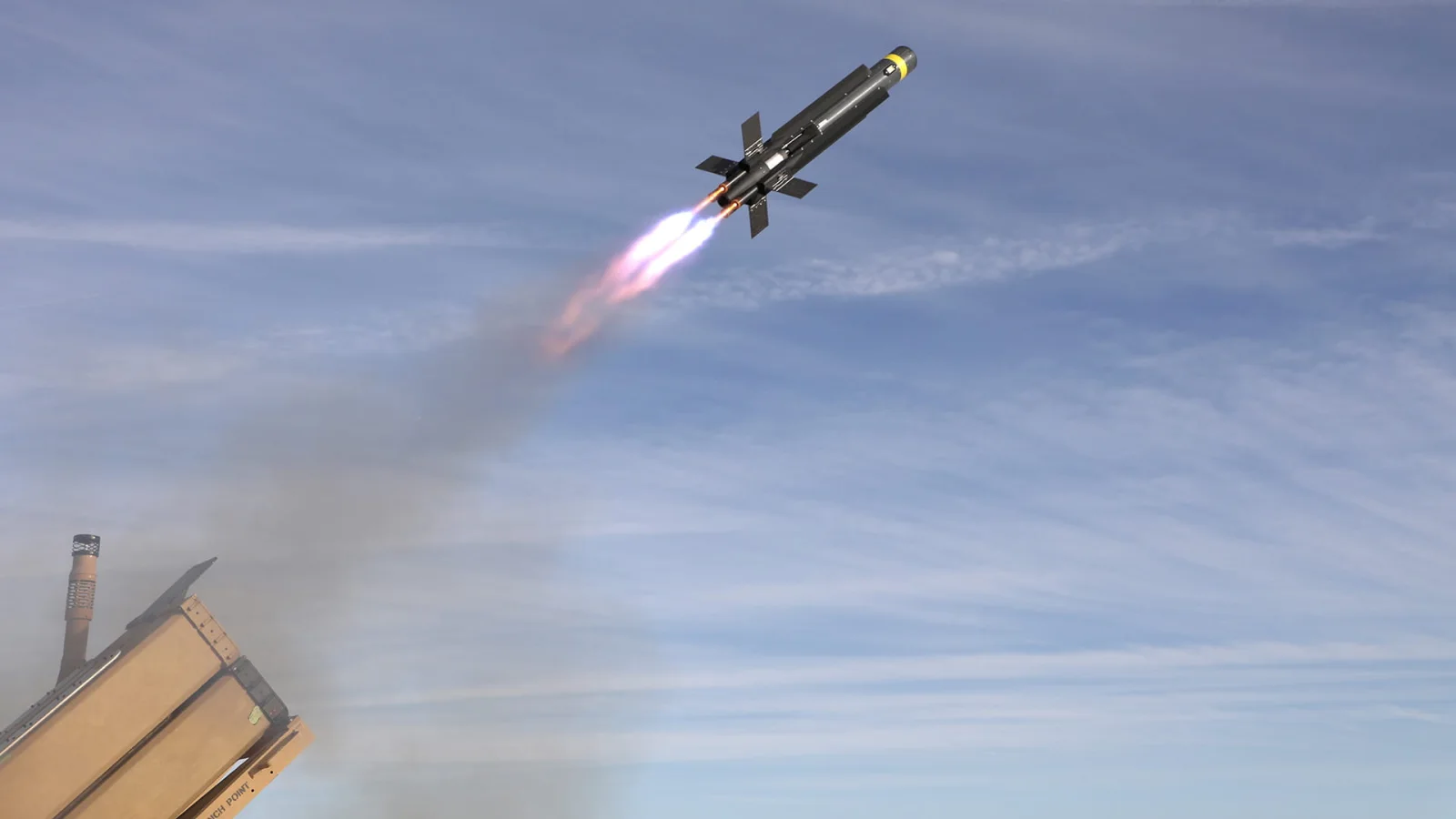
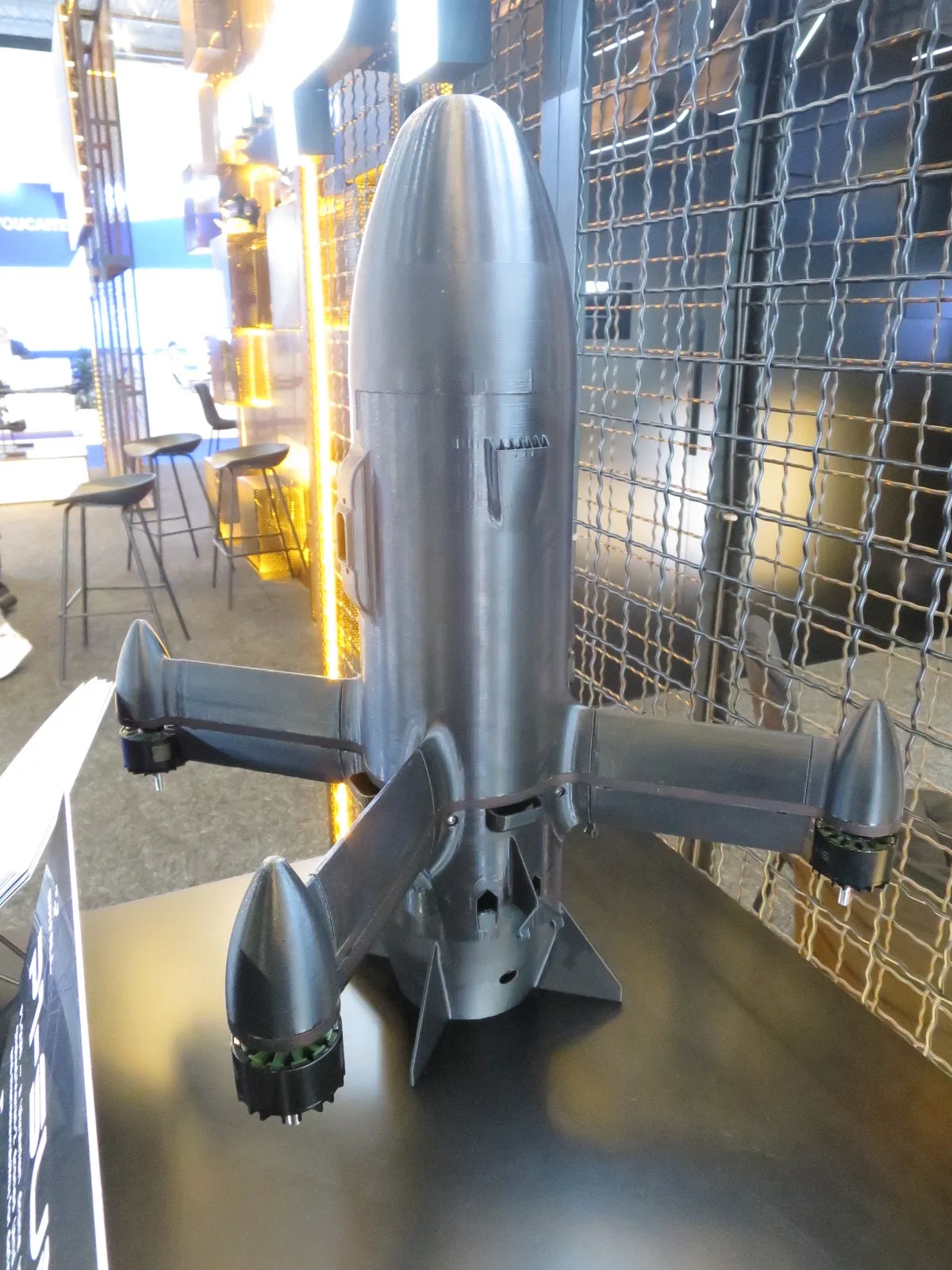
| Motor / propulsion | Not recorded | Four electric rotors on a 3D-printed, bullet-shaped body[2][3] | Boost rocket motor, then a small turbine engine; Block 2C+RM replaces the turbine with a rocket motor[1] | Electric rotors on a modular 3D-printed airframe[3][4] |
|---|
| Data link | Not recorded | ELRS control link with digital or analogue video[1] | Not recorded | Not recorded |
|---|
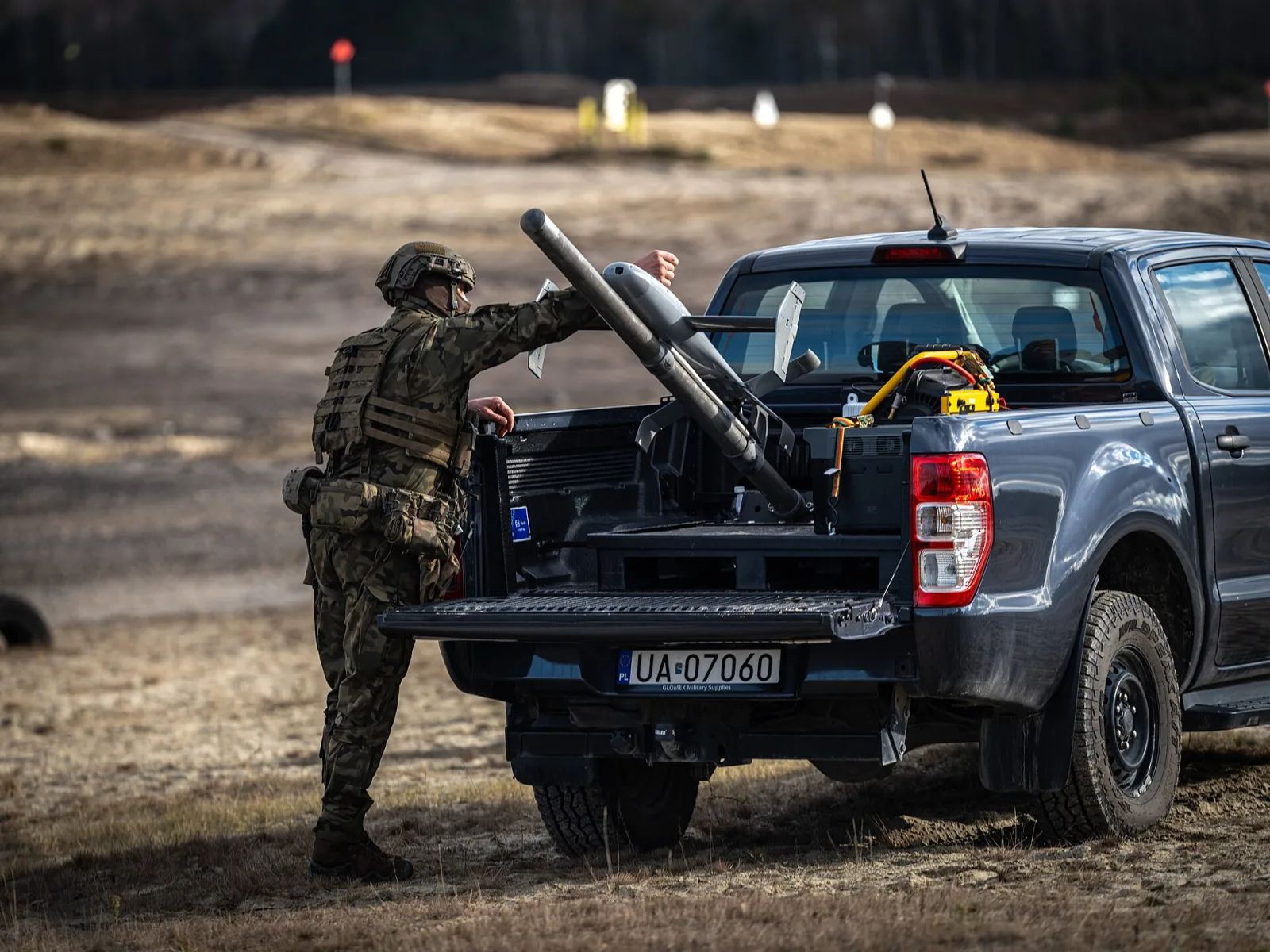
| Launcher | Truck-mounted tube launcher[2][4] | Ground launch without a catapult; also launched from a Magura uncrewed surface vessel carrying 18 interceptors[1][3] | Rail launch; FS-LIDS uses a four-round (4-pack) launcher, M-LIDS a two-round launcher on an M-ATV[3][7] | Not recorded |
|---|
| Launch and recovery | Parachute recovery after a miss[1] | Can return if no target is found[1] | Block 2 is expendable; Block 3NK can loiter, be recalled, serviced and relaunched[1][8] | Not recorded |
|---|
| Fire control / radar | Radar and electro-optical sensors pass targets to the interceptor or other friendly systems[1] | Not recorded | KuRFS 360° Ku-band AESA radar with Northrop Grumman FAAD C2 in the Army's LIDS family[1][8] | Not recorded |
|---|
| Crew | Four: commander, pilot and two technicians; about two weeks' training[1] | One FPV operator; about 2 days' conversion training for qualified FPV pilots[1] | Not recorded | Not recorded |
|---|
| Characteristics |
|---|
| Maximum range (km) † | Not publicly disclosed | Up to 37 km† Maximum engagement range as claimed by the developerManufacturer claim[1] | 10–15 km† Range reported in secondary sourcesSecondary reference[3] | Up to 30 km† Maximum engagement range as claimed by the developerManufacturer claim[1] |
|---|
| Maximum altitude (km) | Not recorded | 7 kmManufacturer claim[1] | Not recorded | Up to 9 kmManufacturer claim[1] |
|---|
| Speed (m/s) | Up to 78 m/sSecondary reference[1] | Up to 78 m/sManufacturer claim[1] | 154–165 m/sSecondary reference[3] | Up to 103 m/sManufacturer claim[1] |
|---|
| Endurance (min) | Not recorded | 6–15 minManufacturer claim[1] | Up to 4 minSecondary reference[3] | 15 minManufacturer claim[1] |
|---|
| Mass (kg) | Not recorded | ≈ 4 kgManufacturer claim[1] | Not recorded | Not recorded |
|---|
| Length (m) | ≈ 0.9 mSecondary reference[1] | Not recorded | Not recorded | Not recorded |
|---|
| Guidance / cueing | Operator control, or autonomous AI homing on thermal, RF or radar cues when links are jammedSecondary reference[1] | Operator-flown (ELRS control, digital or analogue video, thermal camera)Manufacturer claim[1] | Ground-launched, radar-guided; cued by KuRFS in LIDSOfficial document[2][1] | Remote control; AI terminal guidance on P1-SUN Long and JetKillerManufacturer claim[2][1] |
|---|
| Effect | Not recorded | Not recorded | Kinetic warhead producing a fragment fieldManufacturer claim[1][3] | Not recorded |
|---|
| Launch / operating platform | Tube launcher in the bed of a pickup truckOfficial document[2][4] | Not recorded | Rail launcher on fixed sites and vehiclesManufacturer claim[1] | Not recorded |
|---|
| Programme |
|---|
| Operators (in service / ordered) | 4: Ukraine, Poland, Romania, United States[1][2][3] | | | |
|---|
| Platforms and integration | Not recorded | Magura uncrewed surface vessel (18 interceptors) (in service)[3] | FS-LIDS (fixed-site LIDS), four-round launcher (in service), M-LIDS on M-ATV, two-round launcher (in service), KuRFS Ku-band radar (in service), FAAD C2 (in service), Marine Corps GBAD on M-ATV or MRZR (in service), U.S. Navy destroyers (4-cell and 8-cell Coyote launchers) (in service), FS-LIDS for Qatar (ordered), FS-LIDS for the UAE (ordered)[1][3][6][7][8] | Not recorded |
|---|
| Public contracts | 2 recorded. Latest: 2025 · U.S. Army (G-TEAD, via the 409th Contracting Support Brigade) · 50 systems[2] | Not recorded | 5 recorded. Latest: 2026-03-19 · United Arab Emirates (FMS) · 240 Coyote Block 2 all-up rounds · US$2.10 billion[2][4][5][6][7][11][12] | Not recorded |
|---|
| Production / deliveries | March 2026: about 13,000 interceptors ordered[1] | March 2026: over 10,000 a month produced[3] | FY2025–FY2029: at least 6,000 kinetic and 700 non-kinetic interceptors planned rate, by end of 2027: about 300 a month planned rate, 2024: 600 ordered[2][4][9] | 2026: goal of 50,000 interceptors a month planned rate[1] |
|---|
| Latest development | 2026-11: Romanian criticism[1] | 2026-09-20: STING S downs a Geran-5[2][3] | 2026-07: 600 combat intercepts disclosed[9] | 2026-08: JetKiller series production[1] |
|---|