| Role |
|---|
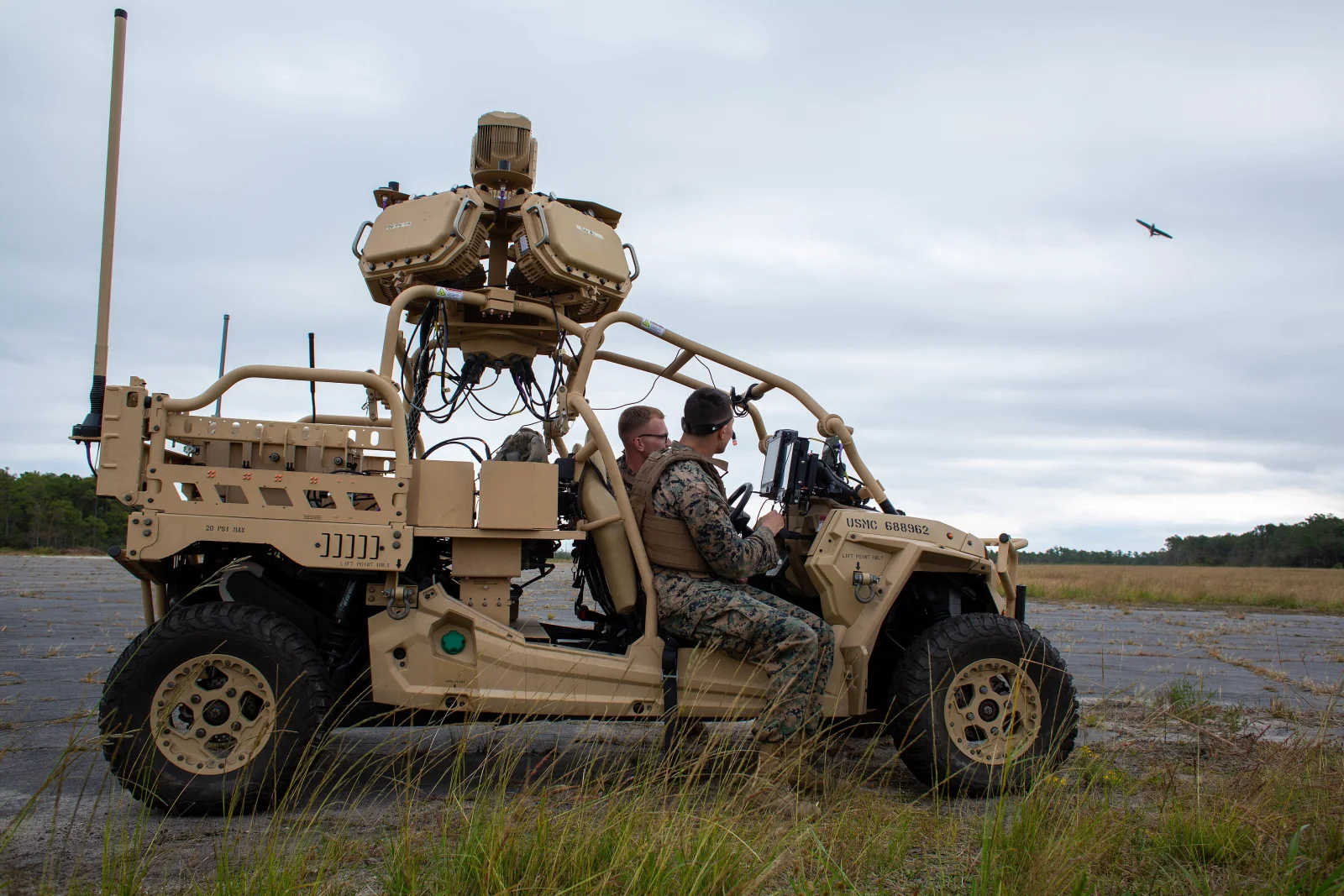
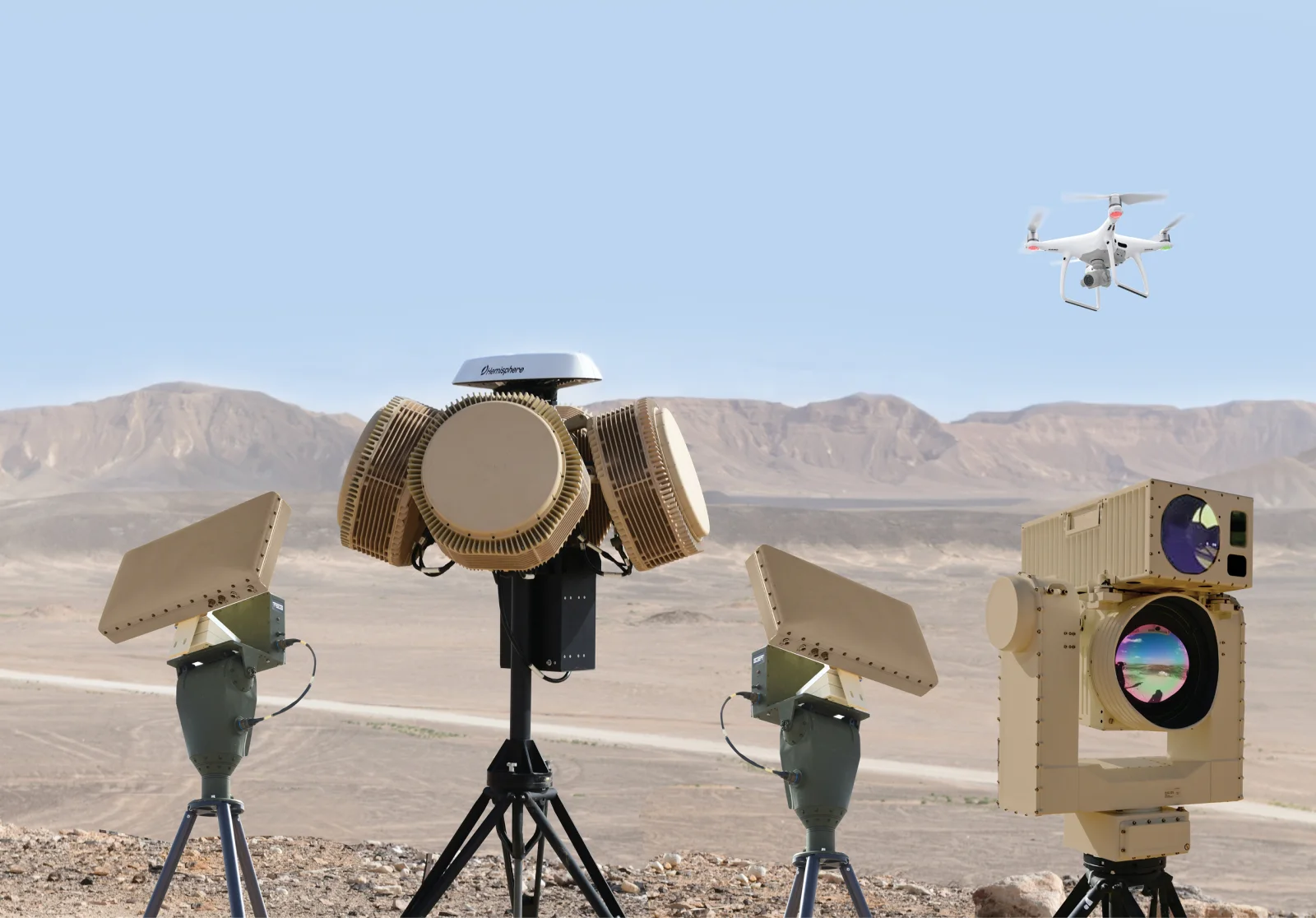
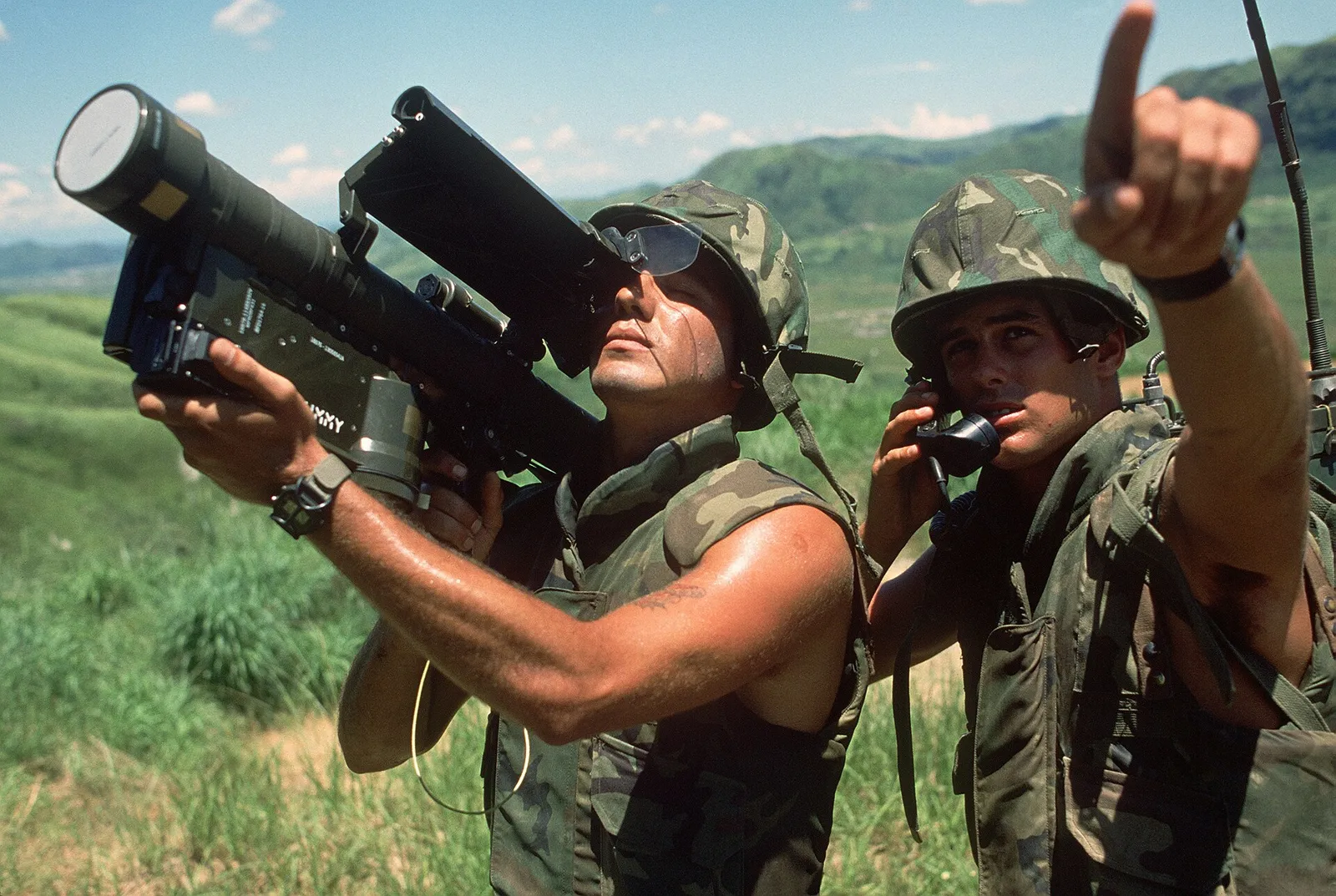
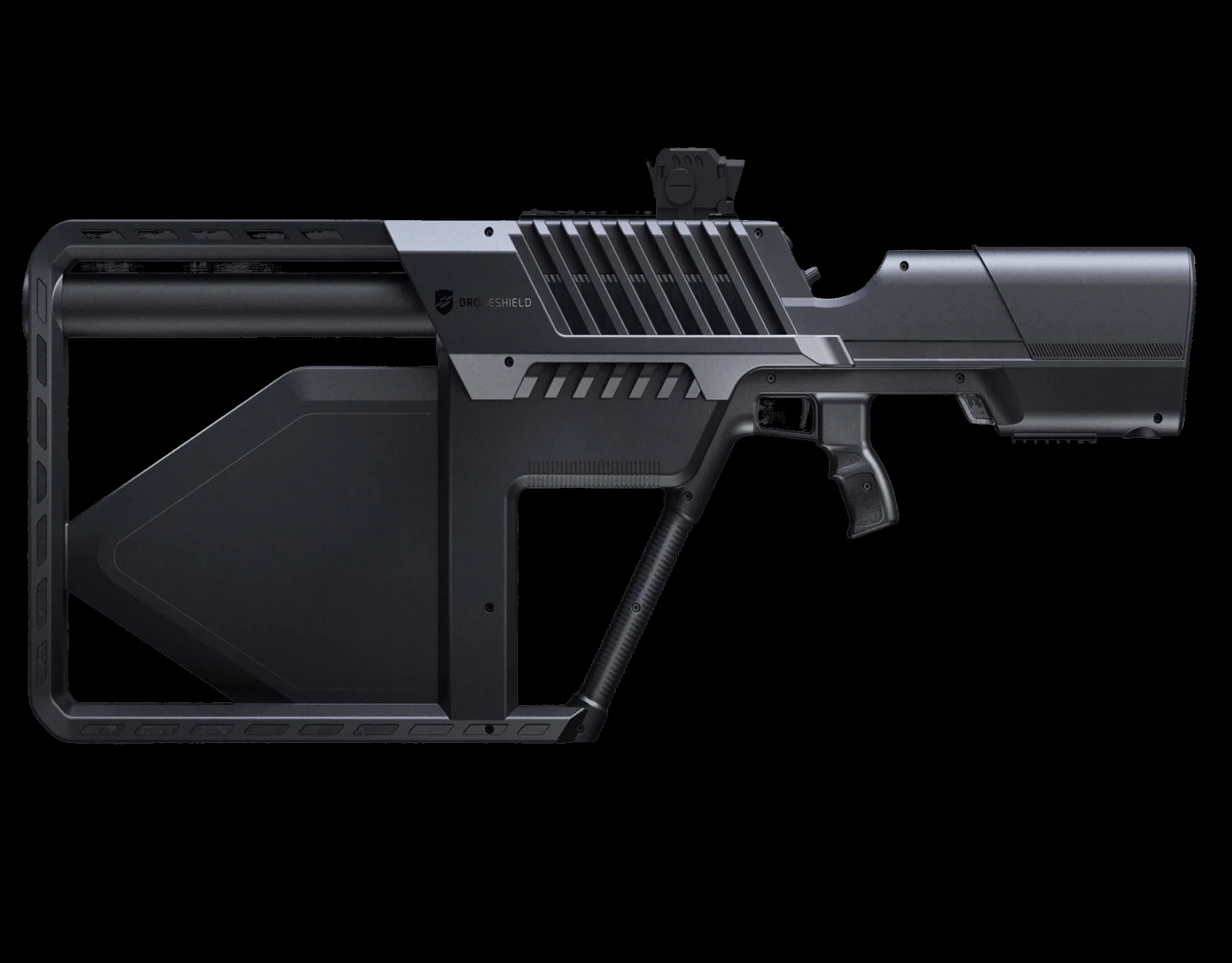
| Primary category | Detection, Tracking & Command | Detection, Tracking & Command | Interceptor Missiles | Electronic Countermeasures |
|---|
| Subcategory | Integrated counter-UAS systems | Integrated counter-UAS systems | Very-short-range air-defense missiles | Command-link disruption |
|---|
| Interception mechanism | Command-link disruption | Command-link disruption, Navigation disruption, Laser energy | Blast-fragmentation, Proximity fuze | Command-link disruption, Navigation disruption |
|---|
| Target types | Small UAS | Small UAS | Crewed aircraft, Small UAS, One-way attack UAVs | Small UAS |
|---|
| Platform | Vehicle-mounted, Shipborne | Fixed site, Vehicle-mounted | Man-portable, Vehicle-mounted, Airborne | Man-portable |
|---|
| Status | In service | In service | In service | In production |
|---|
| Developer · Country | U.S. Marine Corps, Leonardo DRS · United States | Rafael Advanced Defense Systems · Israel | RTX (Raytheon) · United States | DroneShield · Australia |
|---|
| Propulsion | Not applicable | Not applicable | Solid rocket motor | Not applicable |
|---|
| Reusability | Not applicable | Not applicable | Single-use | Reusable |
|---|
| Technical profile |
|---|
| Radar band | Not recorded | S band (RADA RPS-42 MHR)[2] | Not recorded | Not recorded |
|---|
| Antenna | DRS RADA hemispheric AESA radar: RPS-42 in 2019, later eCHR[3][4] | Up to four RPS-42 hemispheric AESA panels[2] | Not recorded | Not recorded |
|---|
| Coverage | RPS-42 panels cover 90° each in azimuth, -10° to +70° elevation, to 30 km (radar datasheet; no system figure)[7] | 360° azimuth, 90° elevation; radar range up to 5 km; 0.002 m² targets detected at 3.5 km[1][2] | Not recorded | Not recorded |
|---|
| Target classes | Small UAS; jammed drones made to drop, circle or return home[1][2] | Small drones and UAVs, including several at once and manoeuvring targets[2] | Not recorded | Not recorded |
|---|
| Interfaces | Not recorded | C4I centre fuses radar, Controp EO/IR, NetSense and COMINT/DF (70 MHz–6 GHz) into one air picture[2] | Not recorded | Not recorded |
|---|
| Mobility | Two Polaris MRZR light vehicles; air-transportable; used from amphibious ship decks; now on Ultra Light Tactical Vehicles[2][3][5][6] | Stationary or mobile installation; single operator[2] | Not recorded | Not recorded |
|---|
| Weight | Not recorded | Not recorded | Not recorded | 7.3 kg with two batteries; more than 2 hours of operation per charge[1] |
|---|
| Seeker | Not recorded | Not recorded | Passive infrared; POST and RMP versions use a dual IR/UV detector, cooled by argon from the battery coolant unit[2] | Not recorded |
|---|
| Guidance | Not recorded | Not recorded | Fire-and-forget; proportional navigation, then a mode that steers toward the airframe rather than the exhaust plume[2] | Not recorded |
|---|
| Warhead | Not recorded | Not recorded | HE-fragmentation with about 1.02 kg of HTA-3 explosive (the reference work's infobox gives 3 kg for the warhead)[2] | Not recorded |
|---|
| Fuze | Not recorded | Not recorded | Impact fuze with self-destruct 17 s after launch; FIM-92J adds a proximity-fuzed warhead section for unmanned targets[2][4] | Not recorded |
|---|
| Motor / propulsion | Not recorded | Not recorded | Small ejection motor, then a two-stage solid-propellant flight motor; FIM-92J has a new flight motor[2] | Not recorded |
|---|
| Launcher | Not recorded | Not recorded | Shoulder gripstock; Avenger and M6 Linebacker vehicles; Air-to-Air Stinger on AH-64, Tiger and T129 helicopters[2] | Not recorded |
|---|
| Frequency bands | Not recorded | Not recorded | Not recorded | ISM control bands (433 MHz, 915 MHz, 2.4 GHz, 5.8 GHz) and GNSS; a rotary dial selects active bands[1][2] |
|---|
| Techniques | Not recorded | Not recorded | Not recorded | Directional RF disruption of control, video and navigation links; the drone usually lands on the spot or returns to its start point[1] |
|---|
| Form factor | Not recorded | Not recorded | Not recorded | Rifle-style handheld with directional antennas and MIL-STD-1913 rails for optics; IP54; −20 °C to +55 °C[1] |
|---|
| Characteristics |
|---|
| Maximum range (km) † | Not recorded | Not recorded | Up to 4.8 km† Range reported in secondary sourcesSecondary reference[2][3] | Up to 1 km† Maximum engagement range as claimed by the developerManufacturer claim[2] |
|---|
| Detection range (km) | Not publicly disclosed | Up to 5 kmManufacturer claim[1] | Not recorded | Not recorded |
|---|
| Maximum altitude (km) | Not recorded | Not recorded | Up to 3.8 kmSecondary reference[2][3] | Not recorded |
|---|
| Speed (m/s) | Not recorded | Not recorded | ≈ 750 m/sSecondary reference[2][4] | Not recorded |
|---|
| Endurance (min) | Not recorded | Not recorded | Not recorded | More than 2 hoursManufacturer claim[1] |
|---|
| Mass (kg) | Not recorded | Not recorded | 10.1 kgSecondary reference[2] | 7.3 kgManufacturer claim[1] |
|---|
| Length (m) | Not recorded | Not recorded | 1.52 mSecondary reference[2] | Not recorded |
|---|
| Guidance / cueing | DRS RADA hemispheric radar and EO/IR turretSecondary reference[3][4] | RPS-42 radars, EO/IR, RF/COMINT sensorsSecondary reference[2][3] | Passive infrared homing, fire-and-forgetSecondary reference[2] | Not recorded |
|---|
| Effect | Electronic attack: drones made to drop, circle or return homeOfficial document[2][1] | RF jamming (C-Guard RD); optional laserSecondary reference[2][3] | HE-fragmentation, impact fuze; proximity fuze on FIM-92J (reported)Secondary reference[2][4] | Jams 433/915 MHz, 2.4/5.8 GHz and GNSSManufacturer claim[2][1] |
|---|
| Launch / operating platform | Polaris MRZR light vehiclesSecondary reference[3][4] | Not recorded | Shoulder launcher, Avenger, IM-SHORAD, helicoptersSecondary reference[2] | Not recorded |
|---|
| Programme |
|---|
| Operators (in service / ordered) | | 3: United Kingdom, Argentina, Cyprus[2][4][5] | 10: United States, Germany, Italy, Netherlands, Türkiye, Ukraine, United Kingdom, Japan, South Korea, Taiwan[2][6][7] | |
|---|
| Platforms and integration | Polaris MRZR (in service), Ultra Light Tactical Vehicle (ULTV) (in service), Amphibious assault ships (USS Boxer, USS America) (in service), DRS RADA hemispheric radar (in service)[2][3][4][5][6] | RADA RPS-42 hemispheric radar (in service), Controp Speed ER EO/IR sensor (in service), C-Guard RD jammer (effector) (in service), Lite Beam high-power laser (effector) (tested), Protection of Barak MX batteries (ordered)[1][2][3][5] | AN/TWQ-1 Avenger (in service), IM-SHORAD (Stryker) (in service), Multi-Mission Launcher (tested), AH-64 Apache (Air-to-Air Stinger) (in service), Eurocopter Tiger (in service), T129 ATAK (in service), MQ-1 Predator (tested)[2] | Not recorded |
|---|
| Public contracts | Not recorded | Not recorded | | 1 recorded. Latest: 2026-09-29 · U.S. Army Contracting Command, Detroit Arsenal (JIATF-401 Domestic Shield) · US$500,000,000 (ceiling)[4][5] |
|---|
| Production / deliveries | Not recorded | Not recorded | European common production programme: 4,800+ (Türkiye) delivered, 2026 onward: Double current global capacity planned rate, 2025: 60 missiles a month planned rate[2][6] | Not recorded |
|---|
| Latest development | 2026-04-08: L-MADIS on ULTV fielded[6] | 2022-11: Advanced by the Pentagon's JCO[2][3] | 2026-07-07: Plan to double Stinger production[6] | 2023-07: US$33 million U.S. order[3] |
|---|