| Role |
|---|
| Primary category | Interceptor Drones | Interceptor Drones | Interceptor Drones | Interceptor Drones |
|---|
| Subcategory | Collision-based interceptors | Explosive or fragmentation-effect interceptors | Collision-based interceptors | Explosive or fragmentation-effect interceptors |
|---|
| Interception mechanism | Collision, Blast-fragmentation | Blast-fragmentation | Collision | Blast-fragmentation |
|---|
| Target types | Small UAS, One-way attack UAVs | One-way attack UAVs, Loitering munitions, Small UAS | Small UAS, One-way attack UAVs | Small UAS, Loitering munitions, One-way attack UAVs |
|---|
| Platform | Man-portable, Fixed site | Man-portable | Fixed site, Trailer | Man-portable, Vehicle-mounted |
|---|
| Status | Testing | In service | Testing | In service |
|---|
| Developer · Country | Nordic Air Defence · Sweden | Wild Hornets · Ukraine | MARSS · Monaco | Origin Robotics · Latvia |
|---|
| Propulsion | Electric | Electric | Electric | Electric |
|---|
| Reusability | Single-use | Single-use | Reusable | Single-use |
|---|
| Technical profile |
|---|
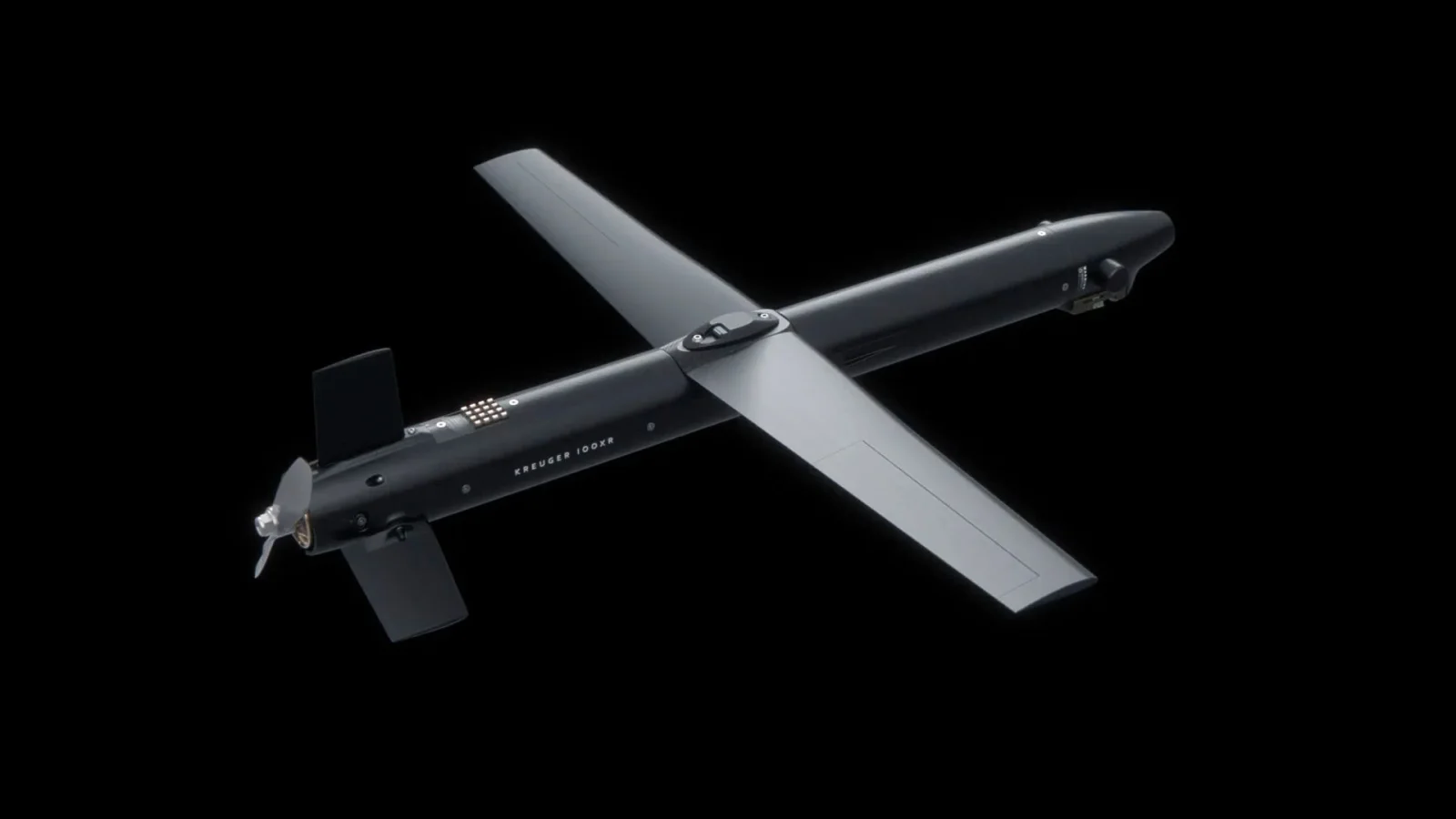
| Seeker | Integrated thermal infrared seeker for night and cloud-cover use[4][8] | Not recorded | Uncooled infrared (imaging IR) seeker in the nose[2][4] | Not recorded |
|---|
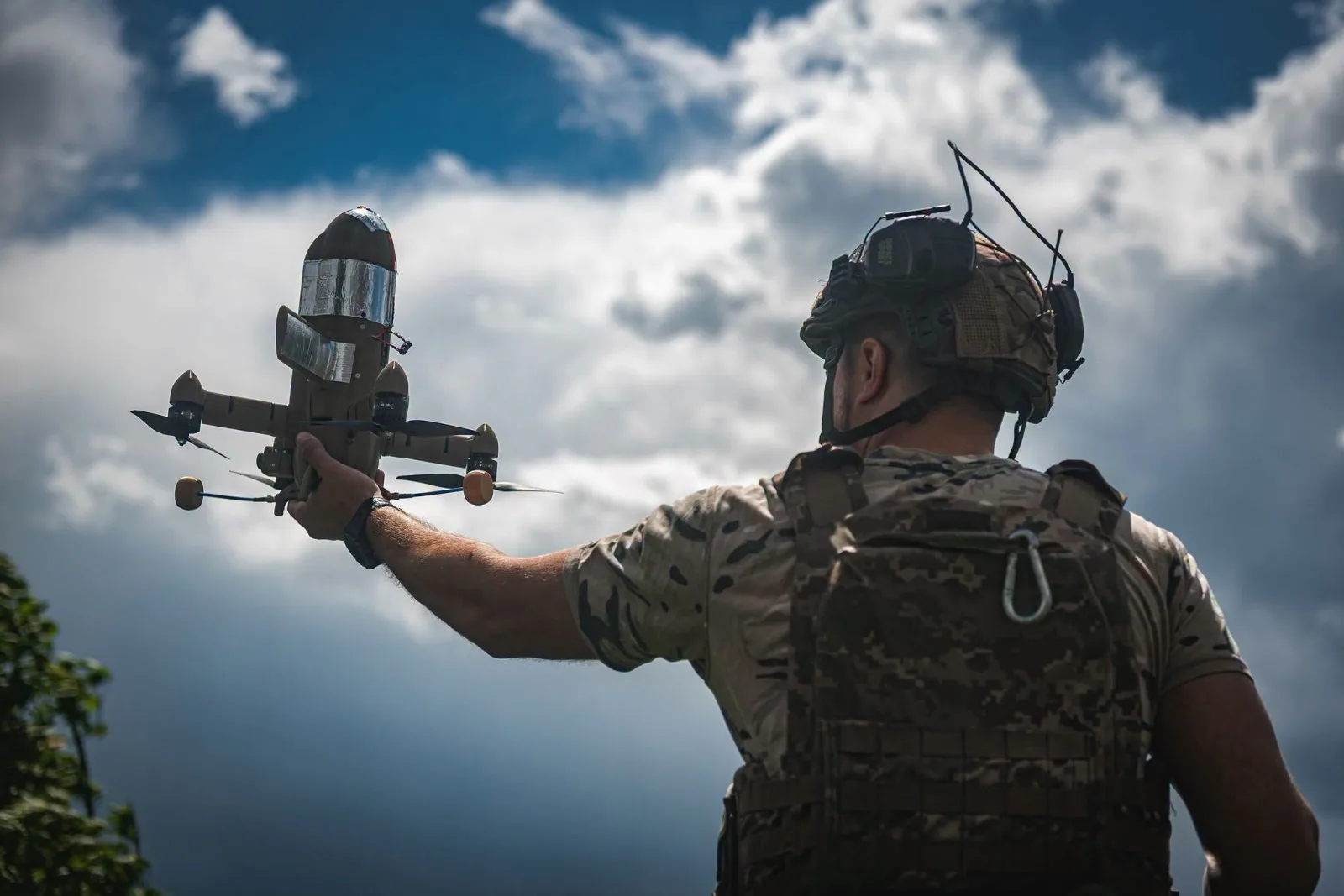
| Guidance | Fire-and-forget: onboard AI detects, classifies and tracks; can switch to a fully autonomous radio-silent mode under jamming[4][7] | Flown into the target by an FPV operator; 'Hornet Vision Control' remote control reported at up to 2,000 km[1][2][3] | NiDAR cueing; autonomous terminal phase after operator authorisation, with NiDAR EDGE software and onboard AI[1][3] | Radar-guided approach; operator confirms the engagement and can wave off until the final approach[1] |
|---|
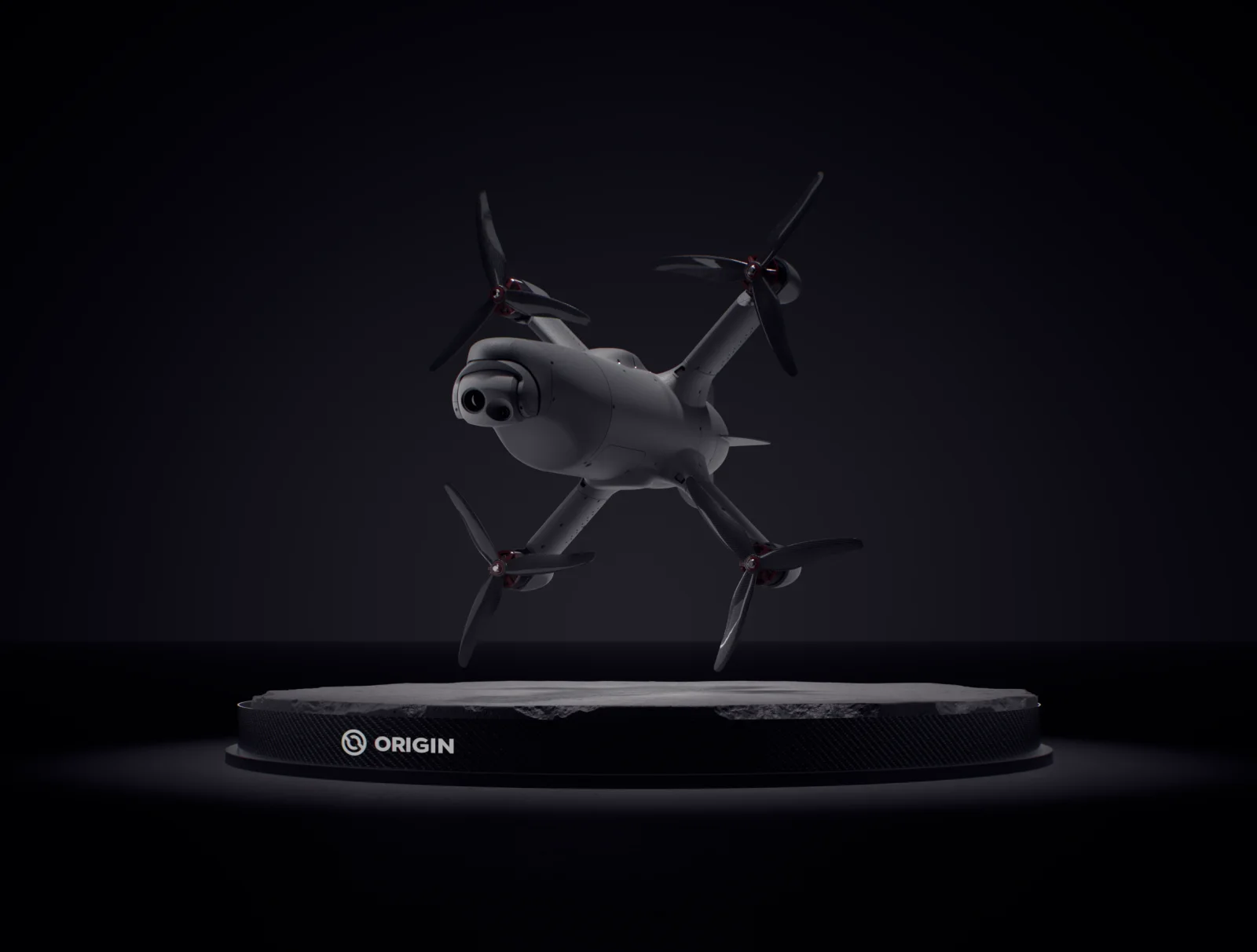
| Sensors | Not recorded | Thermal camera (Kurbas thermal imagers from Odd Systems reported)[1][3] | Not recorded | EO/IR sensor suite with AI recognition for identification and lock-on[1] |
|---|
| Warhead | Kinetic hit; optional 250 g warhead for larger drones[3][4] | 500 g explosive payload, detonated remotely[1] | No explosive or fuel; head-on ramming with a reinforced composite airframe[1][3][4] | High-explosive fragmentation, 800 g, with a three-level arming safety system[1][2] |
|---|
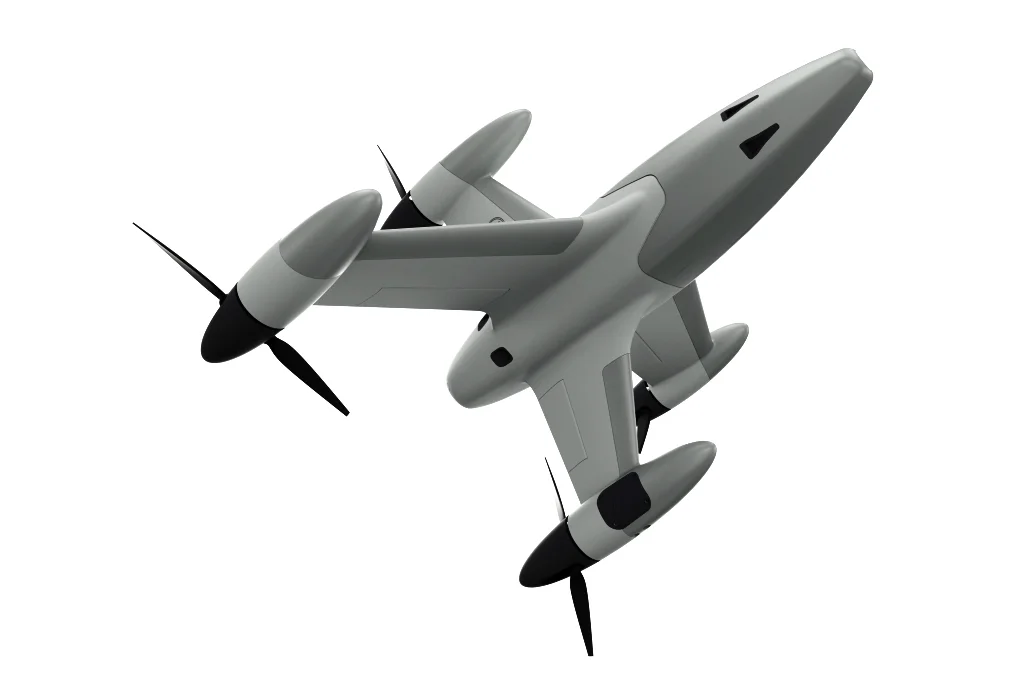
| Motor / propulsion | Battery-powered single propeller; carbon-fibre airframe with foldable wings[2][5][7] | Four electric rotors on a 3D-printed, bullet-shaped body[2][3] | Electric; 2024 redesign replaced four ducted fans with open propellers that stop and fold before impact[2][4] | Four electric motors; vertical take-off[2] |
|---|
| Data link | Needs no connection to a central server once launched; radio-silent operation possible[4][7] | ELRS control link with digital or analogue video[1] | Not recorded | Not recorded |
|---|
| Launcher | Stackable, modular launch from ground positions, by hand, vehicles, boats and aircraft; Volvo VIPRO vehicle pod[4][6] | Ground launch without a catapult; also launched from a Magura uncrewed surface vessel carrying 18 interceptors[1][3] | Vertical box canister (about 140 × 110 cm, electromagnetic cold launch); trailer option with six canisters[2][4] | Transport case doubles as launch station and charging dock; first launch under 5 min, later ones under 1 min[1] |
|---|
| Launch and recovery | Not recorded | Can return if no target is found[1] | Can abort and return, or come down by parachute; reusable after some engagements against smaller drones[3][4] | Expended; self-destructs on geofence breach, loss of link or critical failure[1] |
|---|
| Fire control / radar | Not recorded | Not recorded | MARSS NiDAR C4I command-and-control and sensor system[1][3] | Not recorded |
|---|
| Crew | Not recorded | One FPV operator; about 2 days' conversion training for qualified FPV pilots[1] | Not recorded | Not recorded |
|---|
| Characteristics |
|---|
| Maximum range (km) † | ≈ 3.2 km† Range reported in secondary sourcesSecondary reference[3] | Up to 37 km† Maximum engagement range as claimed by the developerManufacturer claim[1] | At least 5 km† Maximum engagement range as claimed by the developerManufacturer claim[1] | At least 10 km† Maximum engagement range as claimed by the developerManufacturer claim[2] |
|---|
| Maximum altitude (km) | ≈ 1 kmSecondary reference[3] | 7 kmManufacturer claim[1] | Up to 2 kmManufacturer claim[1] | Not recorded |
|---|
| Speed (m/s) | ≈ 97 m/sSecondary reference[3] | Up to 78 m/sManufacturer claim[1] | At least 80 m/sManufacturer claim[1][2] | Not recorded |
|---|
| Endurance (min) | At least 20 minSecondary reference[7][8] | 6–15 minManufacturer claim[1] | Not recorded | Not recorded |
|---|
| Mass (kg) | ≈ 0.45 kgSecondary reference[8] | ≈ 4 kgManufacturer claim[1] | Up to 8 kgSecondary reference[2] | Up to 6 kgSecondary reference[2] |
|---|
| Length (m) | ≈ 0.3 mSecondary reference[8][7] | Not recorded | 0.8 mSecondary reference[2] | Not recorded |
|---|
| Guidance / cueing | Infrared imaging with AI target classificationSecondary reference[2] | Operator-flown (ELRS control, digital or analogue video, thermal camera)Manufacturer claim[1] | NiDAR cueing; onboard AI with uncooled IR seeker for the terminal phaseManufacturer claim[1][2] | Radar-guided approach; EO/IR with AI lock-on; operator-confirmed engagementManufacturer claim[1] |
|---|
| Launch / operating platform | Not recorded | Not recorded | Vertical smart launcher canisters, e.g. six-cell trailerSecondary reference[2] | Transport case used as launch stationManufacturer claim[1] |
|---|
| Programme |
|---|
| Operators (in service / ordered) | Not recorded | | Not recorded | 4: Latvia, Belgium, Estonia, France[3] |
|---|
| Platforms and integration | Volvo Defense VIPRO vehicle protection pod (in development), WB Group and Tantalit counter-UAS and C2 ecosystem (proposed)[4][5][6] | Magura uncrewed surface vessel (18 interceptors) (in service)[3] | MARSS NiDAR C4I (tested), Launcher trailer with four AESA radar antennas, optronic gimbal and six canisters (proposed)[1][2][3][4] | Not recorded |
|---|
| Production / deliveries | Not recorded | March 2026: over 10,000 a month produced[3] | Not recorded | Not recorded |
|---|
| Latest development | 2026-07: First public live interception[8] | 2026-09-20: STING S downs a Geran-5[2][3] | 2026-06-15: MARSS joins EOS[5] | 2026-06-17: French selection and local assembly[3] |
|---|