| Role |
|---|
| Primary category | Detection, Tracking & Command | Detection, Tracking & Command | Detection, Tracking & Command | Detection, Tracking & Command |
|---|
| Subcategory | Radar | Radar | Radar | Radar |
|---|
| Interception mechanism | Sensing only (no effect) | Sensing only (no effect) | Sensing only (no effect) | Sensing only (no effect) |
|---|
| Target types | Small UAS, One-way attack UAVs, Crewed aircraft | Small UAS, One-way attack UAVs, Cruise missiles, Crewed aircraft, Rockets, artillery, mortars | Small UAS | Small UAS, One-way attack UAVs, Crewed aircraft |
|---|
| Platform | Vehicle-mounted, Fixed site | Vehicle-mounted, Fixed site, Trailer | Fixed site, Vehicle-mounted, Man-portable | Vehicle-mounted, Fixed site, Shipborne |
|---|
| Status | In production | In service | In service | In production |
|---|
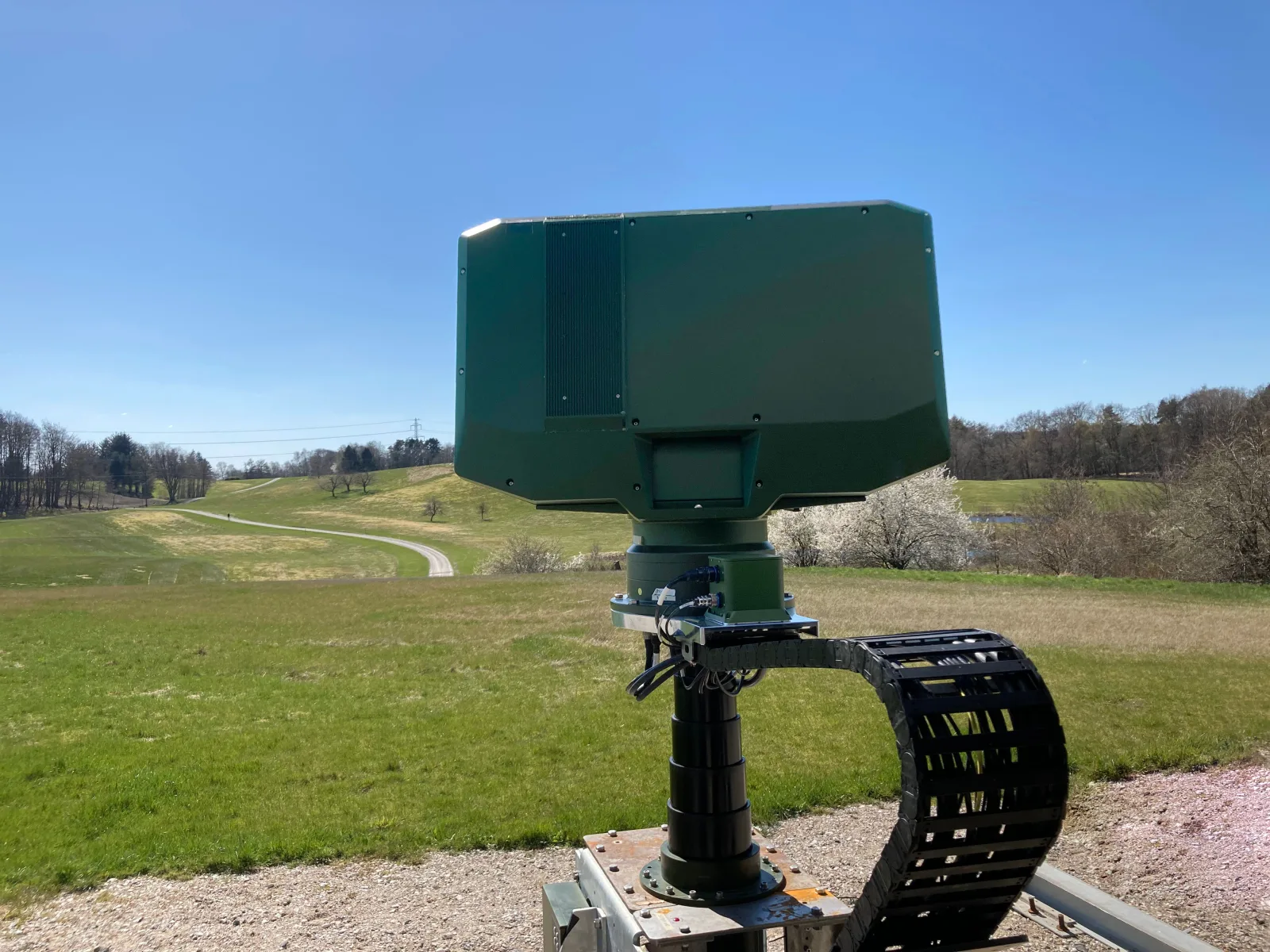
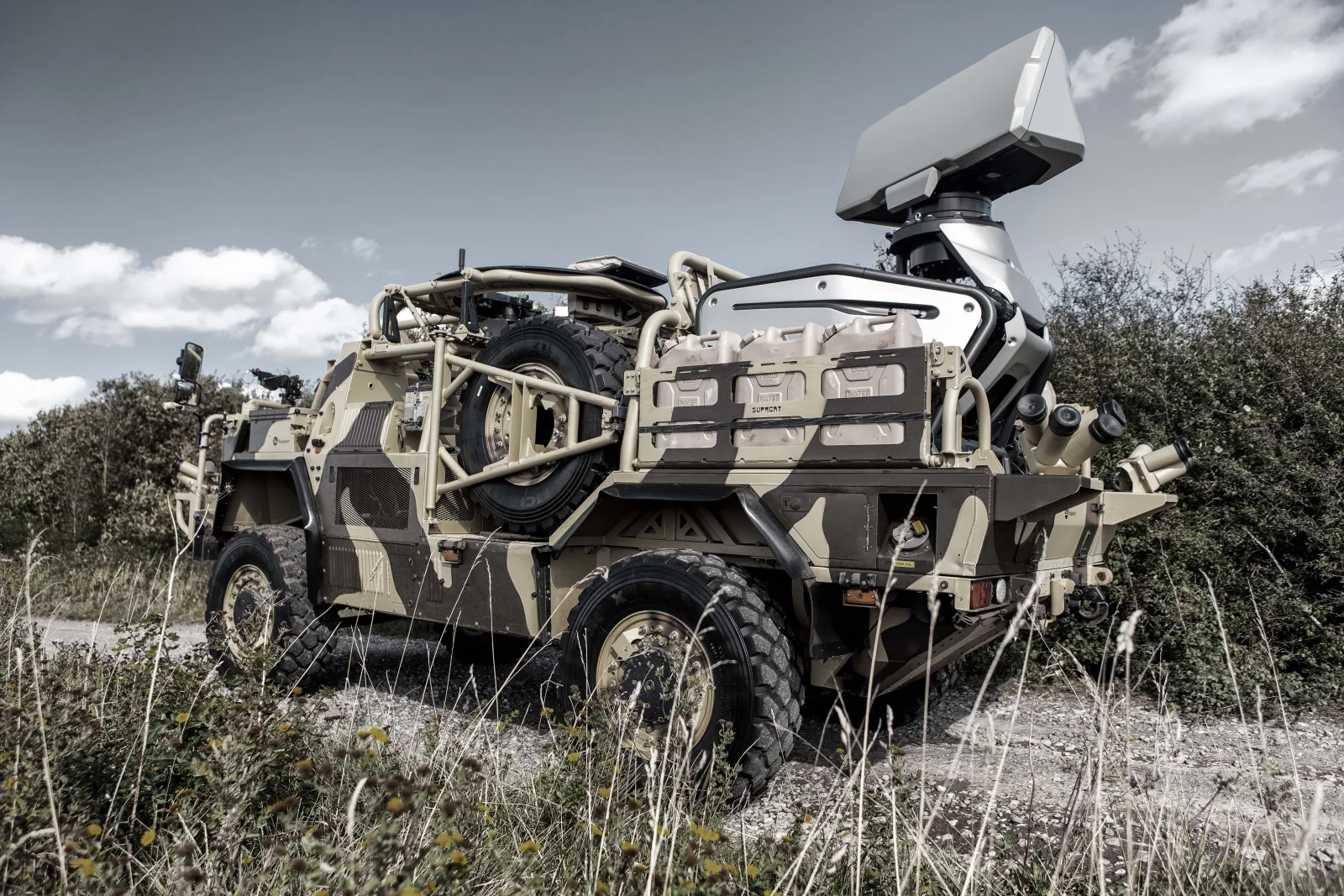
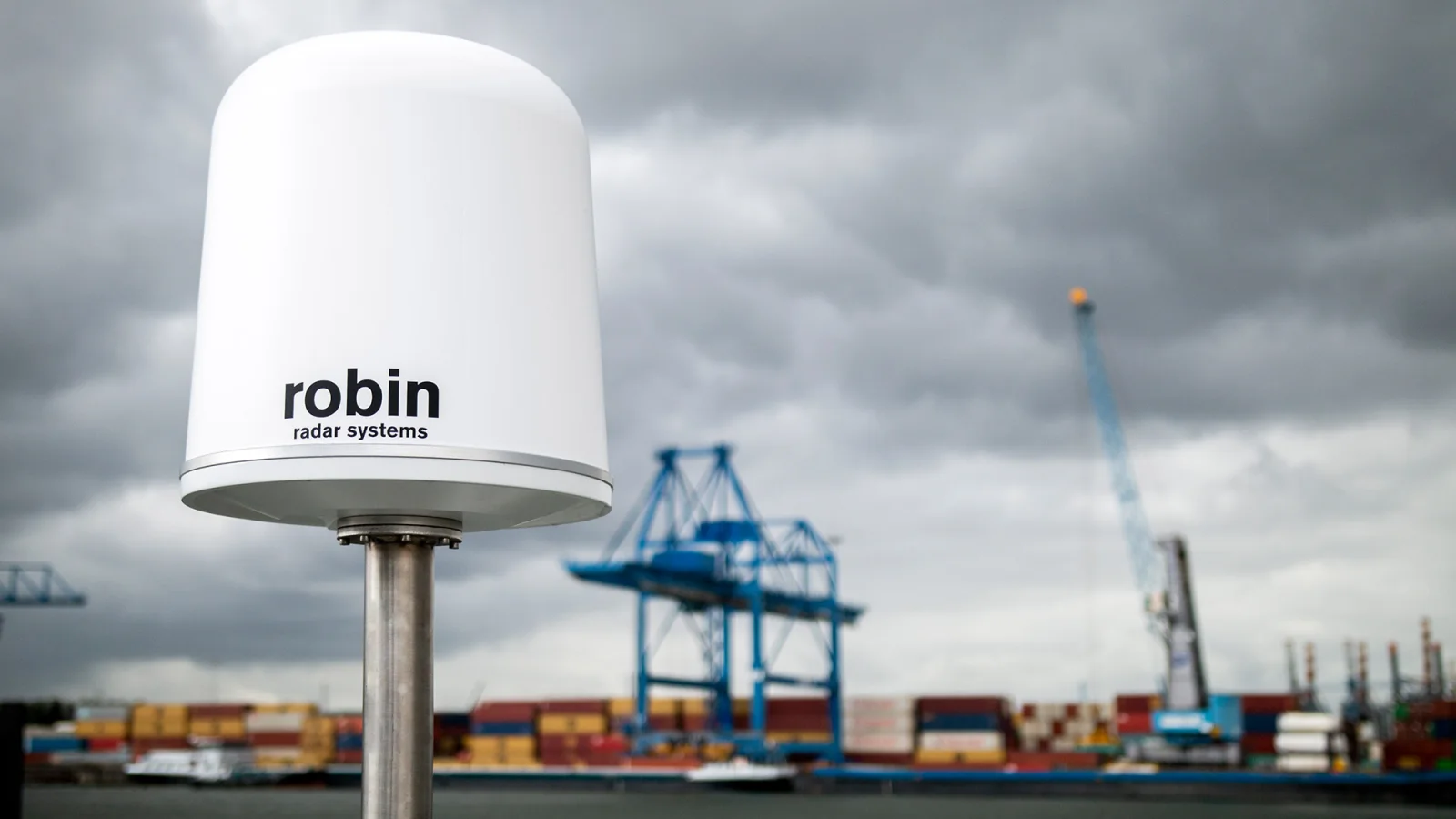
| Developer · Country | Weibel Scientific · Denmark | Saab · Sweden | Robin Radar Systems · Netherlands | Echodyne · United States |
|---|
| Propulsion | Not applicable | Not applicable | Not applicable | Not applicable |
|---|
| Reusability | Not applicable | Not applicable | Not applicable | Not applicable |
|---|
| Technical profile |
|---|
| Radar band | | Not recorded | | Ku band, 15.4–16.6 GHz; pulse-Doppler[1][2] |
|---|
| Antenna | Not recorded | 3D AESA with gallium-nitride (GaN) circuits; software-based and upgradable[2][5][8] | Two back-to-back antennas rotating at 30 rpm under a dome[1][2] | Electronically scanned MESA (metamaterial) array with cognitive, software-defined beam scheduling[3][4] |
|---|
| Coverage | 360 x 60 degrees; 75 km instrumented range[1] | Full search volume every second; 75 km headline range without a stated target size; UAV smaller than a milk carton at 4 km[1][2] | 360° azimuth × 60° elevation; 1 s update; 5 km instrumented range, 12 km in long-range mode[1] | 130° azimuth × 90° elevation per radar; 20 km instrumented range; under 0.5° angular accuracy; 10 Hz updates[2][3] |
|---|
| Track capacity | Not recorded | Not recorded | Not recorded | More than 40 high-priority and more than 1,000 low-priority tracks[2] |
|---|
| Target classes | Not recorded | Fixed- and rotary-wing aircraft, fast missiles, RAM (sense and warn), small UAVs in clutter, sea-surface targets[1][6][8] | Multirotor, fixed-wing and hovering drones and loitering munitions; drone/bird separation by micro-Doppler and neural networks[1][2] | Classifies humans, vehicles, fixed-wing and multi-rotor aircraft, using micro-Doppler screening[2][3] |
|---|
| Interfaces | | Integrates with weapon systems and tactical data links, or runs self-contained with its own C3; local or remote operation[1][2] | API for C2 platforms and C-UAS systems; can cue effectors[1] | Gigabit and 10 Gbps Ethernet (TCP/IP) with an SDK; integrated in SOSA-aligned SUADS[2][4][5] |
|---|
| Mobility | | Pickup-sized vehicle, helicopter, trailer, mast or building; Compact Radar Module; moved by hand by one operator[1][2][8] | Building, 1.35–2.40 m tripod, vehicle (on the move to 100 km/h) or vessel; set-up under 15 minutes[1] | Fixed, portable and on-the-move with an INS port; rapid deployment kit lets 4 people set up 4 radars in 15 minutes[3][4] |
|---|
| Weight | Not recorded | Under 150 kg in total; 100 kg topside[1] | 29 kg; 550 mm diameter × 630 mm high[1] | 17.8 kg; 42.5 × 33 × 18 cm; under 250 W; IP66[2] |
|---|
| Characteristics |
|---|
| Detection range (km) † | Up to 10 km† Detection range against a small UASSecondary reference[3] | 4 km† Detection range against a small UASManufacturer claim[1] | Up to 5 km† Official range band published by the manufacturerManufacturer claim[1] | Up to 4.8 km† Detection range against a small UASManufacturer claim[1] |
|---|
| Mass (kg) | Not recorded | Up to 150 kgManufacturer claim[1] | 29 kgManufacturer claim[1] | 17.8 kgManufacturer claim[2] |
|---|
| Guidance / cueing | Not recorded | 3D AESA (GaN); full search volume every secondManufacturer claim[1][2] | X-band FMCW, 360° × 60°, 1 s update, micro-Doppler classificationManufacturer claim[1][2] | Ku-band 4D ESA radar, about 0.5° accuracyManufacturer claim[1] |
|---|
| Effect | Not recorded | Not recorded | Detection and classification onlyManufacturer claim[1] | Detection and tracking onlyManufacturer claim[1] |
|---|
| Launch / operating platform | Not recorded | Light vehicle, mast, building, trailer or helicopter-liftedManufacturer claim[1][2] | Not recorded | Not recorded |
|---|
| Programme |
|---|
| Operators (in service / ordered) | | | 3: Netherlands, Ukraine, United States[1][3][4] | |
|---|
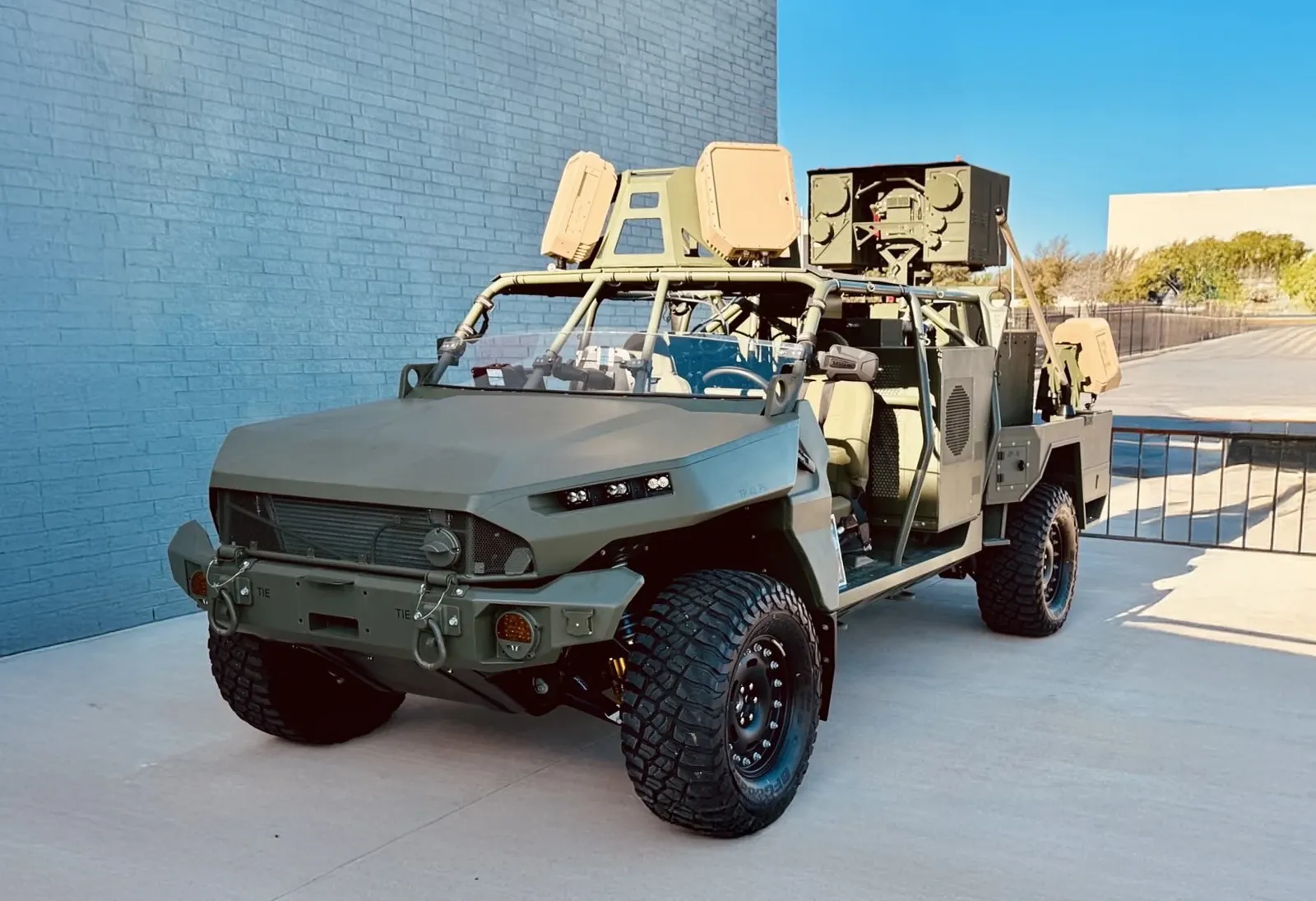
| Platforms and integration | Not recorded | Sisu GTP armoured vehicle (Swedish GBAD) (ordered), Scania V3P tactical vehicle (ordered), Compact Radar Module for site protection (in service), Saab MSHORAD with RBS 70 NG remote weapon station (proposed), Kraken K3 Scout uncrewed surface vessel (Sea Giraffe 1X) (ordered), Supacat Jackal (proposed)[2][3][4][6][8][9][10][11] | Dutch air bases and units (in service), Static and vehicle-mounted radars in Ukraine (in service), DHS counter-UAS for the FIFA World Cup 2026 (in service)[1][3][4] | Trust Automation SUADS (rapidly deployable, fixed-site and expeditionary) (ordered), Allen Control Systems Bullfrog gun system (in development), Uncrewed surface vessels (in service)[5][6] |
|---|
| Public contracts | 4 recorded. Latest: 2026-10-27 · PIT-RADWAR (Poland, SAN programme) · €84 million[2][3][5][6][7] | | 3 recorded. Latest: 2025-11-27 · Netherlands Ministry of Defence · 100 radars[3][4][5] | 2 recorded. Latest: 2026-09-29 · U.S. Army Contracting Command, Detroit Arsenal · US$250,000,000 (ceiling)[5][7] |
|---|
| Production / deliveries | Not recorded | Not recorded | to September 2025: more than 200 Robin radars in Ukraine cumulative, end of 2025: at least 6 radars a week planned rate, 2024: about 4 radars a week produced[4] | Not recorded |
|---|
| Latest development | Not recorded | 2026-11-11: Royal Navy order for the K3 Scout USV[10] | 2025-11-28: First radar to the Dutch armed forces[3] | 2026-10-12: Pairing with Bullfrog[6] |
|---|