| Role |
|---|
| Primary category | Interceptor Missiles | Interceptor Missiles | Interceptor Missiles | Interceptor Missiles |
|---|
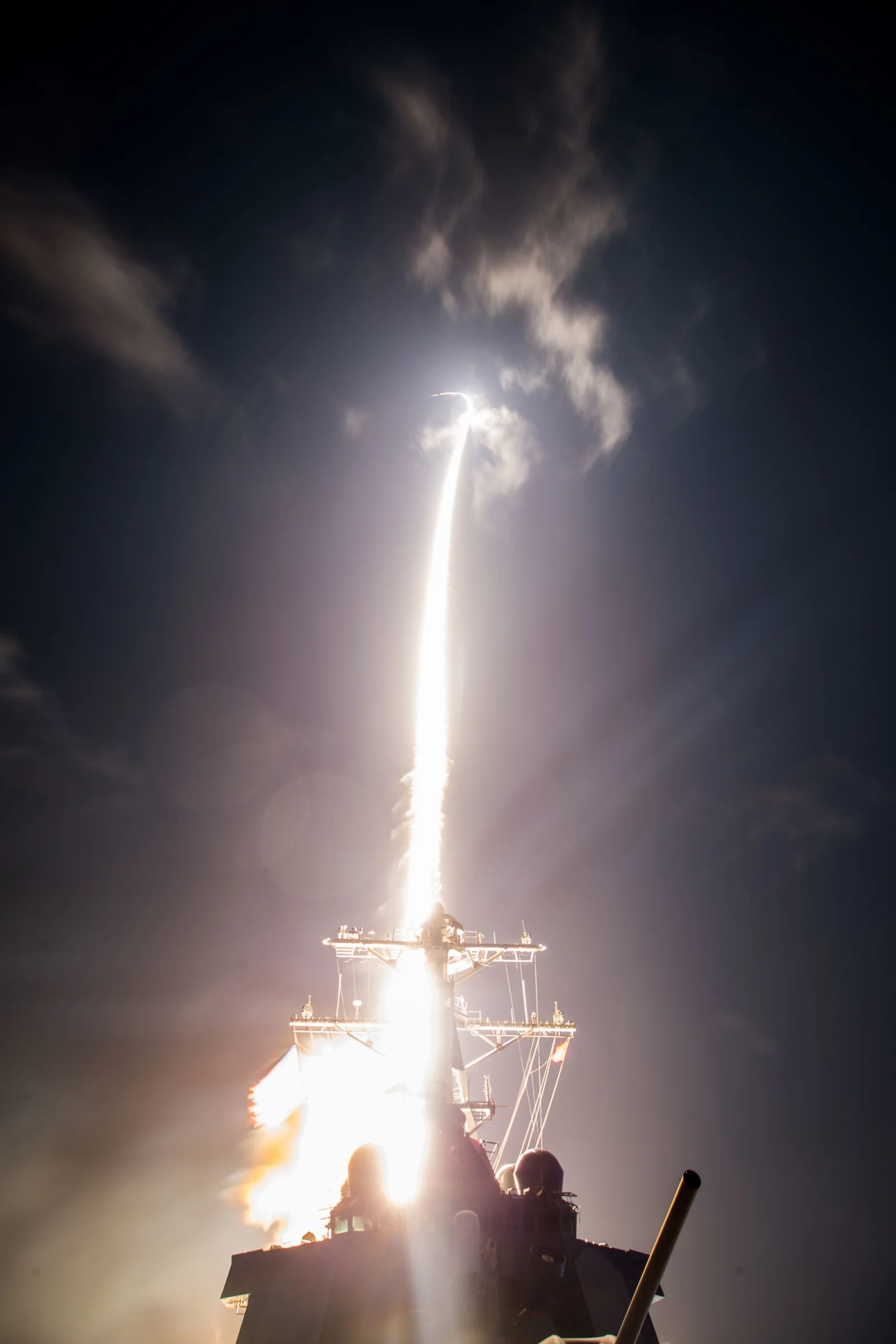
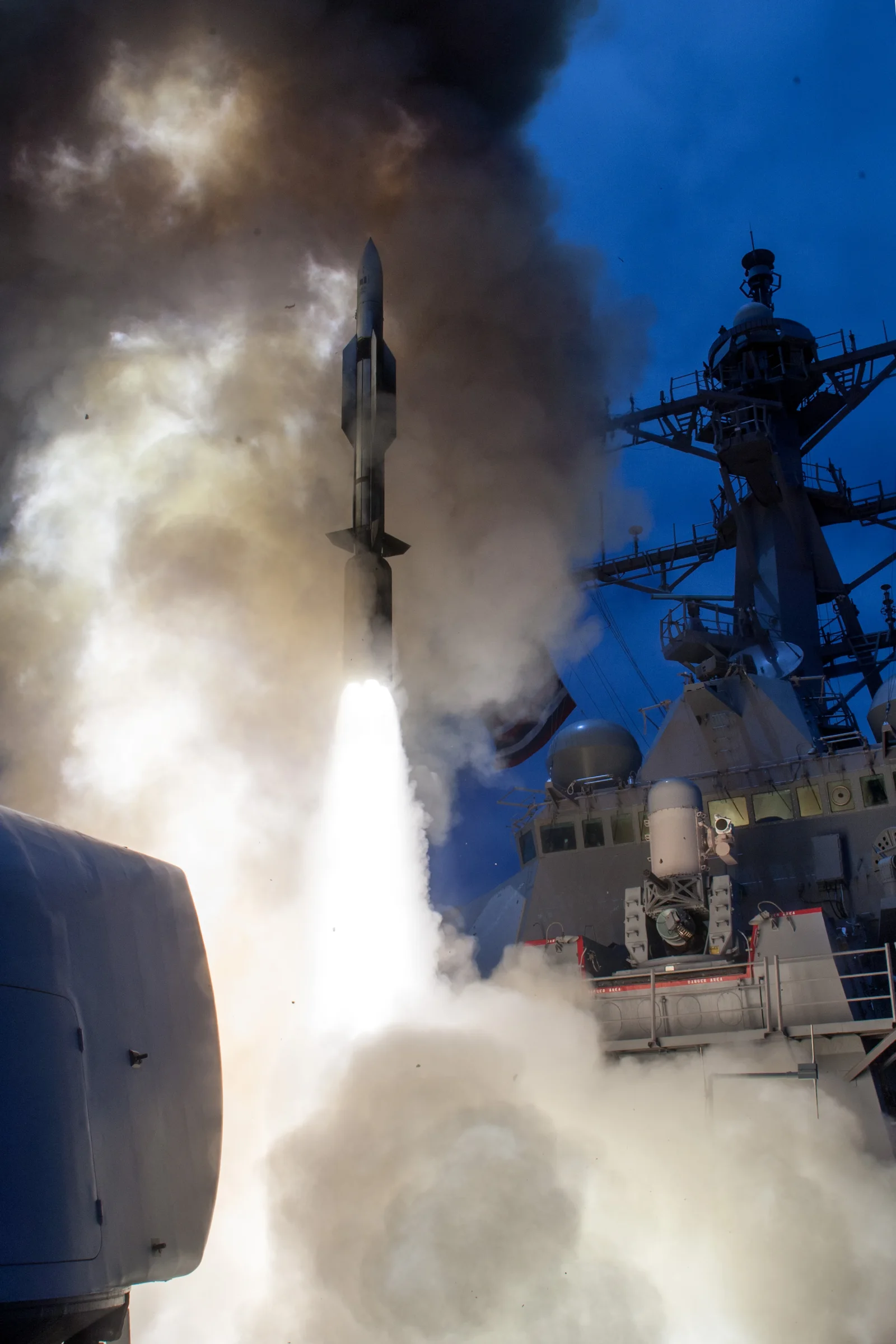
| Subcategory | Ballistic-missile interceptors · Exo-atmospheric | Long-range air-defense missiles | Ballistic-missile interceptors · Exo-atmospheric | Ballistic-missile interceptors · Exo-atmospheric |
|---|
| Interception mechanism | Hit-to-kill | Blast-fragmentation, Proximity fuze | Hit-to-kill | Hit-to-kill |
|---|
| Target types | Ballistic missiles | Crewed aircraft, Cruise missiles, Ballistic missiles, One-way attack UAVs, Surface vessels | Ballistic missiles | Ballistic missiles |
|---|
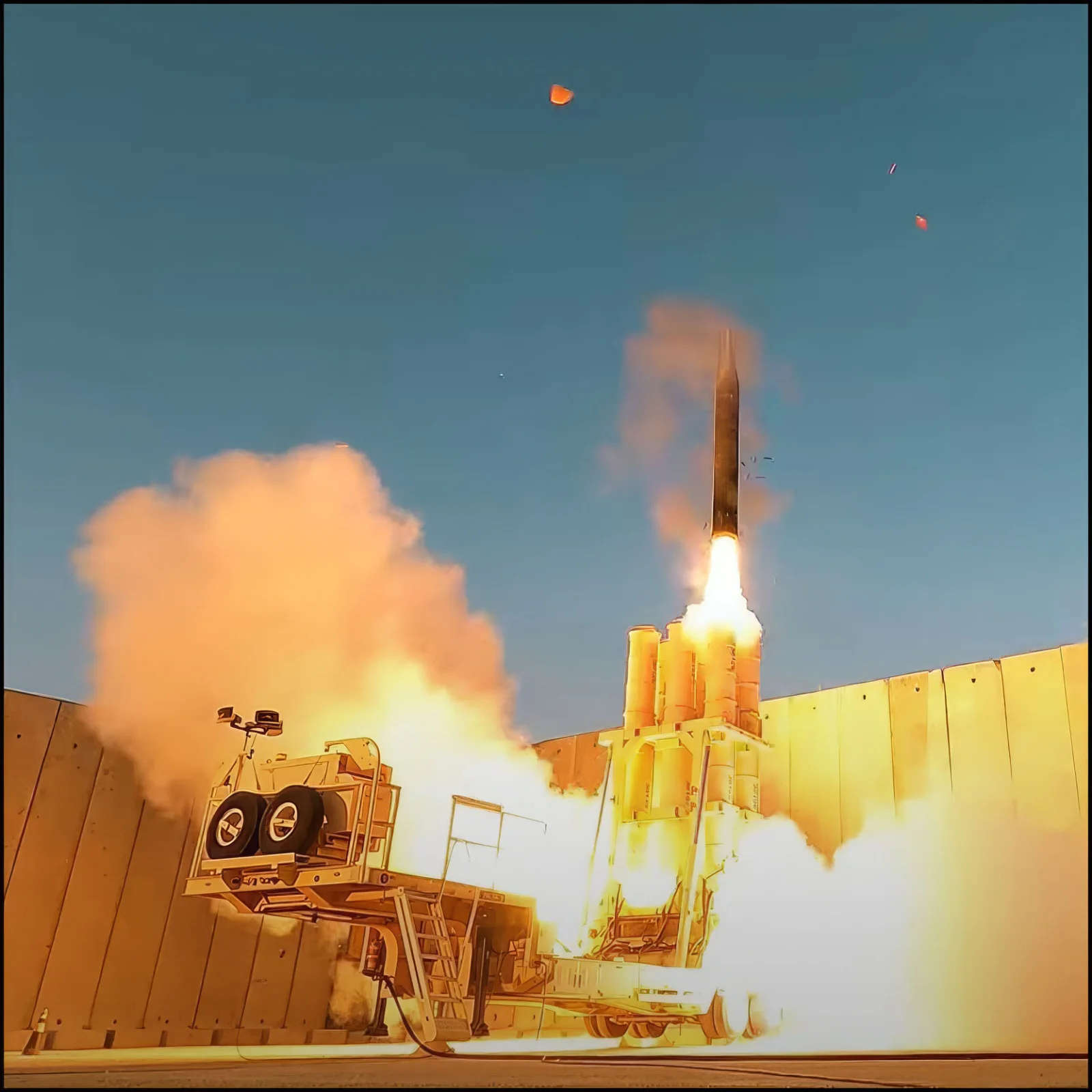
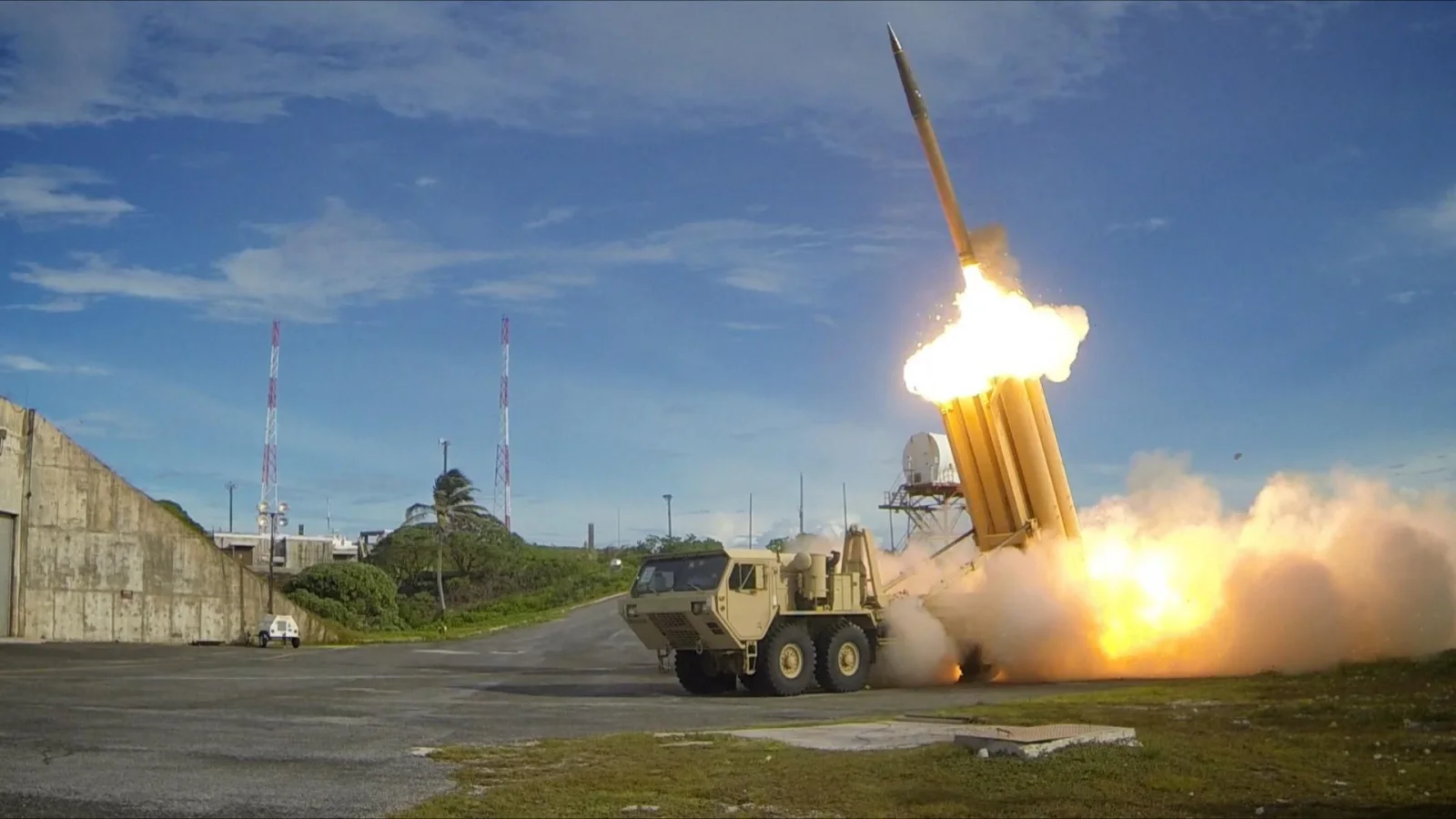
| Platform | Shipborne, Fixed site | Shipborne | Trailer | Vehicle-mounted |
|---|
| Status | In service | In service | In service | In service |
|---|
| Developer · Country | RTX (Raytheon), Mitsubishi Heavy Industries · United States and Japan | RTX (Raytheon) · United States | Israel Aerospace Industries, Boeing · Israel | Lockheed Martin, RTX (Raytheon) · United States |
|---|
| Propulsion | Solid rocket motor | Solid rocket motor | Solid rocket motor | Solid rocket motor |
|---|
| Reusability | Single-use | Single-use | Single-use | Single-use |
|---|
| Technical profile |
|---|
| Seeker | Passive long-wave infrared seeker on the kinetic warhead, with discrimination upgrades[3] | Active radar seeker enlarged from the AIM-120C AMRAAM seeker (13.5 in vs 7 in); semi-active mode retained[2] | Long-range electro-optical sensor on a gimbaled seeker[1][2] | Indium-antimonide imaging infrared seeker[3] |
|---|
| Guidance | GPS/inertial with midcourse guidance from the launching ship; Aegis computes the fire-control solution[3] | Inertial to terminal active homing, semi-active throughout, or over-the-horizon via Cooperative Engagement Capability; GPS added on Block IA[2] | Inertial navigation, proportional-navigation homing, thrust-vector steering[2] | Kill vehicle steered by a divert and attitude control system (Aerojet Rocketdyne) in the terminal phase[3] |
|---|
| Warhead | Non-explosive kinetic warhead (LEAP-derived) steered by a throttleable divert and attitude control system[1][3] | Blast-fragmentation, 64 kg[2] | None; manoeuvrable hit-to-kill vehicle with a divert motor[1][2] | None; hit-to-kill by kinetic energy[3] |
|---|
| Fuze | Not recorded | Radar and contact fuzes[2] | Not recorded | Not recorded |
|---|
| Motor / propulsion | Three stages: Mk 72 booster, Mk 104 dual-thrust motor, Mk 136 third stage; 21-inch body[3] | Two-stage solid rocket (booster plus sustainer); Block IB to use a 21-inch motor[2] | Two solid-propellant stages[1] | Single-stage solid rocket booster (Aerojet Rocketdyne); 1,000th booster delivered June 2024[3] |
|---|
| Launcher | Mk 41 vertical launching system on ships and at Aegis Ashore[1][3] | Mk 41 vertical launching system; U.S. Army Typhon ground launcher; F/A-18E/F (AIM-174B)[2][4] | Canister launch from fortified sites; a 2013 Jane's report described a site with 4 launchers of 6 missiles[2] | Truck-mounted transporter-erector-launcher; first battery used M1120 HEMTT load-handling trucks[3] |
|---|
| Rounds per launcher | Not recorded | Not recorded | Not recorded | 8 interceptors per launcher; 6 launchers (48 interceptors) per battery[3] |
|---|
| Fire control / radar | Aegis weapon system with AN/SPY-1 radar; engage-on-remote from other sensors such as AN/TPY-2[1][3] | Aegis combat system; engage-on-remote through Cooperative Engagement Capability[2] | Not recorded | AN/TPY-2 X-band AESA radar (Raytheon) and fire-control/communications stations[3] |
|---|
| Crew | Not recorded | Not recorded | Not recorded | About 90 soldiers per battery[3] |
|---|
| Characteristics |
|---|
| Maximum range (km) | ≈ 1,200 kmSecondary reference[3] | 240 kmSecondary reference[2] | Up to 2,400 kmSecondary reference[2] | ≈ 200 kmSecondary reference[3] |
|---|
| Maximum altitude (km) | 900–1,050 kmSecondary reference[3] | At least 34 kmSecondary reference[2] | At least 100 kmSecondary reference[2] | ≈ 150 kmSecondary reference[3] |
|---|
| Speed (m/s) | 4,500 m/sSecondary reference[3] | ≈ 1,190 m/sSecondary reference[2] | Not recorded | ≈ 2,800 m/sSecondary reference[3] |
|---|
| Mass (kg) | ≈ 1,500 kgSecondary reference[3] | 1,500 kgSecondary reference[2] | Not publicly disclosed | 900 kgSecondary reference[3] |
|---|
| Length (m) | 6.55 mSecondary reference[3] | 6.6 mSecondary reference[2] | Not recorded | 6.17 mSecondary reference[3] |
|---|
| Ready rounds / magazine | Not recorded | Not recorded | Not recorded | 8 per launcher; 6 launchers (48 interceptors) per batterySecondary reference[3] |
|---|
| Guidance / cueing | Not recorded | Inertial; terminal active or semi-active radar homingSecondary reference[2] | Long-range electro-optical sensor on a gimbaled seekerManufacturer claim[1][2] | Imaging infrared seeker; AN/TPY-2 X-band radarSecondary reference[3] |
|---|
| Effect | Kinetic kill vehicle; no explosive warheadManufacturer claim[1] | 64 kg blast-fragmentation warhead; radar and contact fuzesSecondary reference[2] | Hit-to-killManufacturer claim[1] | Hit-to-kill; no warheadSecondary reference[3] |
|---|
| Launch / operating platform | Aegis destroyers; Aegis AshoreManufacturer claim[1][2] | Aegis warships; U.S. Army Typhon launcherSecondary reference[2][1] | Not recorded | Truck-mounted launcherSecondary reference[3] |
|---|
| Programme |
|---|
| Operators (in service / ordered) | 2: United States, Japan[3] | 5: United States, Japan, Australia, South Korea, Germany[2] | | 4: United States, United Arab Emirates, Saudi Arabia, Qatar[1][3] |
|---|
| Platforms and integration | Aegis BMD destroyers (in service), Aegis Ashore (Romania, Poland) (in service), AN/TPY-2 radar (engage-on-remote) (tested)[1][3] | Aegis destroyers and cruisers (Mk 41 VLS) (in service), Typhon / Strategic Mid-Range Fires (in service), F/A-18E/F Super Hornet (AIM-174B) (in service), F127 frigate (in development)[1][2][4] | Arrow Weapon System (with Arrow 2) (in service), Holzdorf Air Base (in service)[2][4][6] | AN/TPY-2 radar (in service), PAC-3 / Patriot (tested), U.S. battery in South Korea (Seongju) (in service), U.S. battery in Israel (in service), U.S. battery on Guam (in service)[3][6] |
|---|
| Public contracts | 2 recorded. Latest: 2026-08-07 · Missile Defense Agency · US$745,387,095 (base value)[4][5][6] | 4 recorded. Latest: 2026-10-01 · U.S. Navy · up to US$24.4 billion[2][3][5][6][7] | 2 recorded. Latest: 2025-12-17 · Germany · about US$3.1 billion[2][4][7][8][9] | 8 recorded. Latest: 2026-09-01 · Saudi Arabia (FMS notification) · 112 interceptors; 15 launchers · +US$3.2 billion, to US$18.2 billion (estimate)[3][5][7][8][9][10][11][12][13][14] |
|---|
| Production / deliveries | 2026: integration capacity up more than 50% planned rate[4] | Programme: about 500 built; 1,800 planned cumulative, 2026 onward: hundreds of rounds a year within several years planned rate[2][4] | April 2026: not disclosed planned rate[2][6] | To June 2025: at least 632 interceptors cumulative, January 2026: 96 a year, to rise to 400 a year over seven years planned rate[3][4] |
|---|
| Latest development | 2024-10-15: Full-rate production[3] | 2026-10-01: Multi-year contract[3] | 2026-02: Arrow 4 flight tests begin[5][6] | 2026-06-24: Seven-year production contract[5] |
|---|