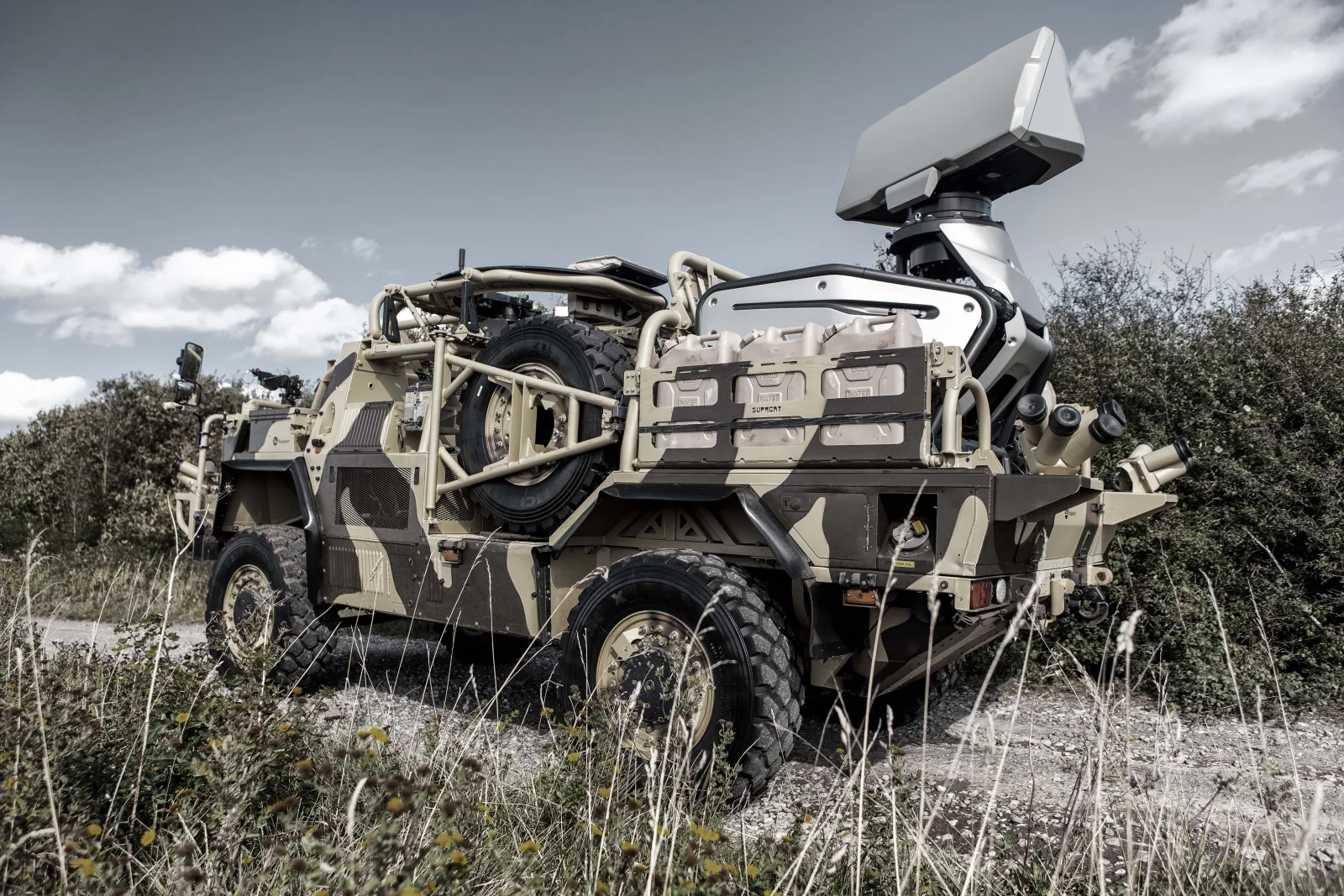
| Role |
|---|
| Primary category | Detection, Tracking & Command | Detection, Tracking & Command | Detection, Tracking & Command | Detection, Tracking & Command |
|---|
| Subcategory | Radar | Radar | Radar | Radar |
|---|
| Interception mechanism | Sensing only (no effect) | Sensing only (no effect) | Sensing only (no effect) | Sensing only (no effect) |
|---|
| Target types | Small UAS, One-way attack UAVs, Cruise missiles, Crewed aircraft, Rockets, artillery, mortars | Ballistic missiles, Cruise missiles, Crewed aircraft, One-way attack UAVs | Small UAS, One-way attack UAVs, Cruise missiles, Crewed aircraft, Rockets, artillery, mortars | Small UAS, One-way attack UAVs, Cruise missiles, Crewed aircraft, Rockets, artillery, mortars |
|---|
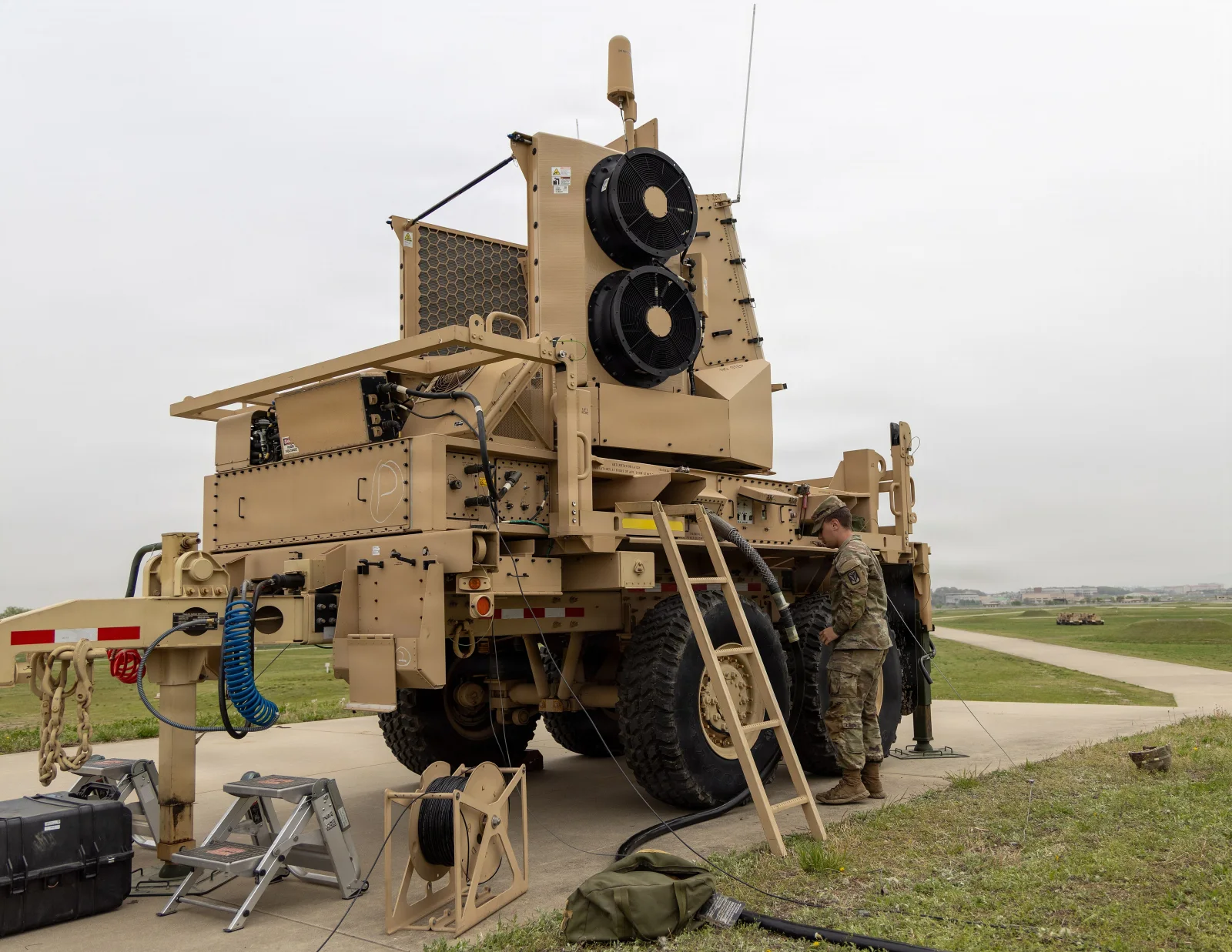
| Platform | Trailer | Trailer | Vehicle-mounted, Containerised, Fixed site | Vehicle-mounted, Fixed site, Trailer |
|---|
| Status | In production | Testing | In service | In service |
|---|
| Developer · Country | Lockheed Martin · United States | RTX (Raytheon) · United States | Thales · Netherlands | Saab · Sweden |
|---|
| Propulsion | Not applicable | Not applicable | Not applicable | Not applicable |
|---|
| Reusability | Not applicable | Not applicable | Not applicable | Not applicable |
|---|
| Technical profile |
|---|
| Radar band | | Not recorded | | Not recorded |
|---|
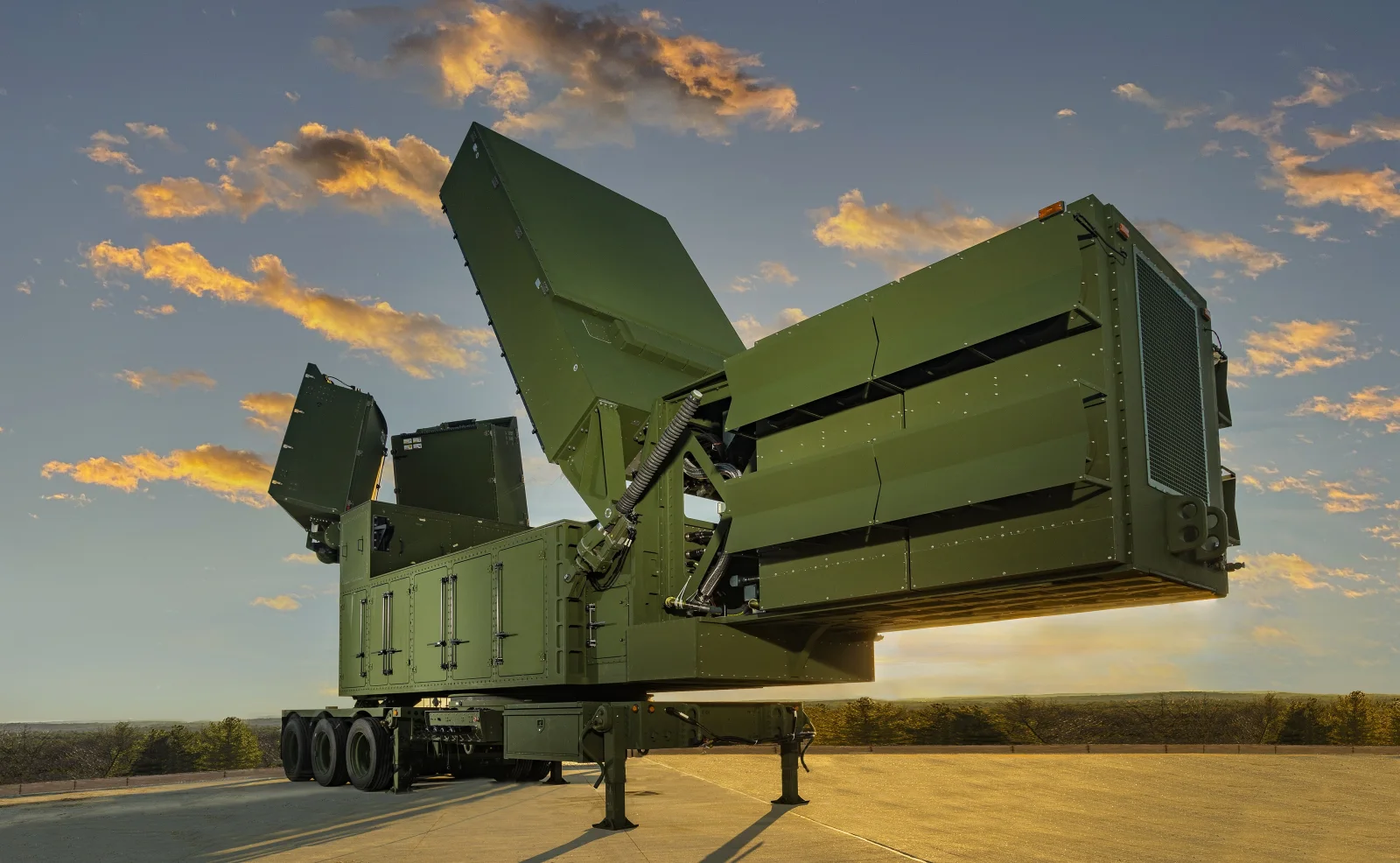
| Antenna | Digital AESA with GaN; open, software-defined architecture[1] | Three fixed GaN AESA arrays: one primary front array and two secondary rear arrays[1][2][7] | Digital 4D AESA with GaN transmit/receive modules; beam steered electronically, many upgrades delivered in software[3][4] | 3D AESA with gallium-nitride (GaN) circuits; software-based and upgradable[2][5][8] |
|---|
| Coverage | 360° hemispheric, ground to zenith with no cone of silence; stop-and-stare; more than 75% more range than Sentinel A3[1] | 360°; primary array about the size of Patriot's with more than twice the power[1][2] | 360° azimuth; 400 km surveillance and 100 km weapon-locating instrumented range; altitude to 30 km[3] | Full search volume every second; 75 km headline range without a stated target size; UAV smaller than a milk carton at 4 km[1][2] |
|---|
| Target classes | Cruise missiles, fixed- and rotary-wing aircraft, UAS, and rocket, artillery and mortar rounds with point of origin and impact[1][6] | Manned and unmanned aircraft, cruise missiles, ballistic missiles and hypersonic weapons[1][7] | Aircraft, helicopters, cruise missiles, UAS class I–IV including very small drones; rocket, artillery and mortar launch points[1][3][4] | Fixed- and rotary-wing aircraft, fast missiles, RAM (sense and warn), small UAVs in clutter, sea-surface targets[1][6][8] |
|---|
| Interfaces | IBCS and FAAD C2; primary sensor for IFPC; also NASAMS, Aegis, NORAD and NCR-IADS (manufacturer)[1][6] | Sensor in the Army's Integrated Air and Missile Defense architecture; tracks passed to IBCS for PAC-3 engagements[2][3][4] | Supplies target data to air-defence weapon systems; Dutch radars cue ground-based air defence and counter-battery fire[1][4] | Integrates with weapon systems and tactical data links, or runs self-contained with its own C3; local or remote operation[1][2] |
|---|
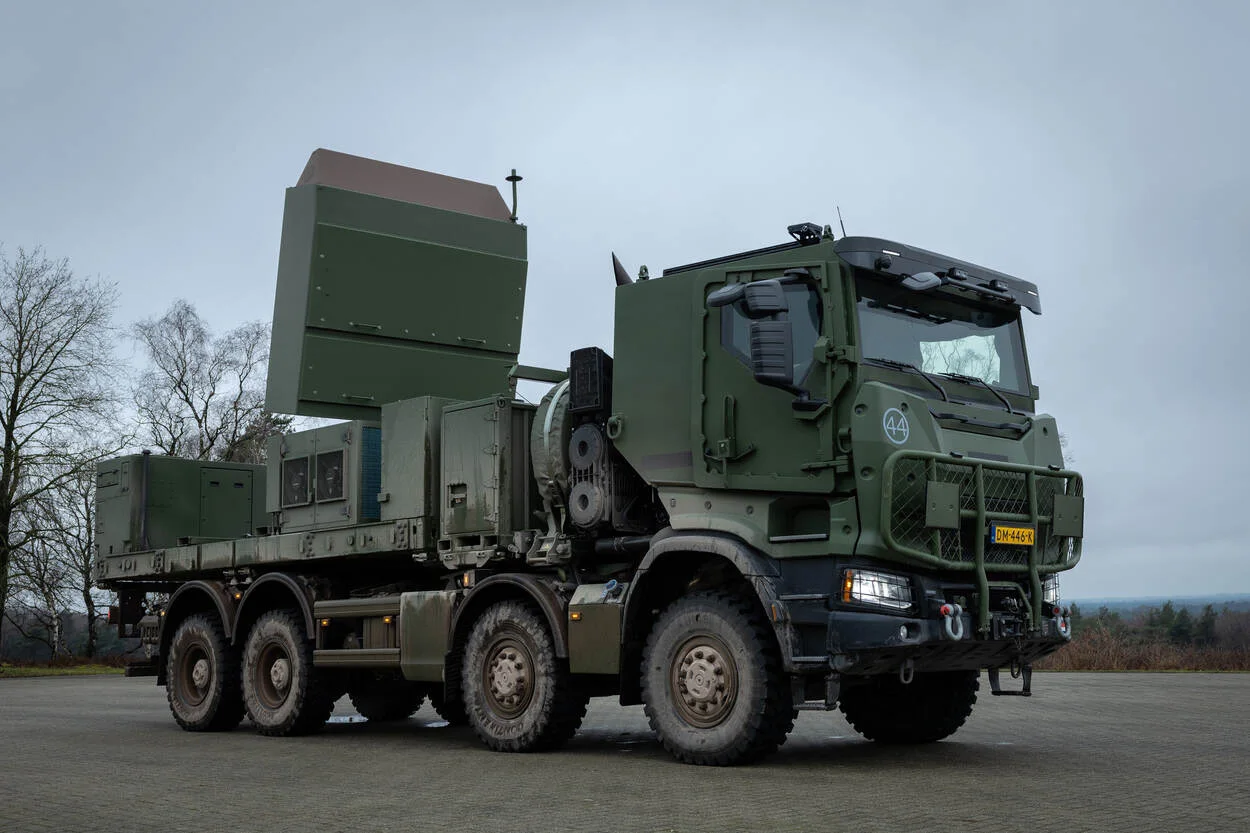
| Mobility | Towed trailer; transportable by air, sea, helicopter, rail or off-road[1][2] | Trailer-mounted; designed to fit in a C-17[4] | 20 ft container module on trucks (Scania Gryphus 8x8 in the Netherlands, Mercedes-Benz Zetros in Lithuania) or fixed sites; ready or packed up in about a minute[1][3][4] | Pickup-sized vehicle, helicopter, trailer, mast or building; Compact Radar Module; moved by hand by one operator[1][2][8] |
|---|
| Weight | Not recorded | Not recorded | Not recorded | Under 150 kg in total; 100 kg topside[1] |
|---|
| Characteristics |
|---|
| Detection range (km) † | Not publicly disclosed | Not publicly disclosed | Up to 400 km† Range reported in secondary sourcesSecondary reference[3] | 4 km† Detection range against a small UASManufacturer claim[1] |
|---|
| Mass (kg) | Not recorded | Not recorded | Not recorded | Up to 150 kgManufacturer claim[1] |
|---|
| Guidance / cueing | X-band digital AESA (GaN), 360° ground to zenithOfficial document[3][1] | AESA; primary front array and two rear arrays for 360°Official document[2][1] | S-band 4D digital AESA; air surveillance and weapon locatingSecondary reference[3][4] | 3D AESA (GaN); full search volume every secondManufacturer claim[1][2] |
|---|
| Effect | Not recorded | Detection, tracking and fire-control data via IBCSOfficial document[3] | Detection, tracking and classification onlyOfficial document[1] | Not recorded |
|---|
| Launch / operating platform | Towed trailerOfficial document[2] | Not recorded | 20 ft container or truck (Scania Gryphus 8x8 in Dutch service)Official document[1][4] | Light vehicle, mast, building, trailer or helicopter-liftedManufacturer claim[1][2] |
|---|
| Programme |
|---|
| Operators (in service / ordered) | | | | |
|---|
| Platforms and integration | IBCS (in development), FAAD C2 (tested), IFPC (Indirect Fire Protection Capability) (in development), NASAMS (proposed), Guam air defence (ordered)[1][2][5][6] | IBCS (Integrated Battle Command System) (tested), PAC-3 / PAC-3 MSE interceptors (tested), Patriot (replaces AN/MPQ-65 radar) (in development), Polish Wisla phase 2 with M903 Patriot launchers (ordered)[2][3][4][5] | Scania Gryphus 8x8 armoured truck (in service), Mercedes-Benz Zetros truck (ordered), Dutch ground-based air defence and missile defence (in service), Counter-battery fire (weapon locating) (in service), Swedish Sensor System network (replaces PS-871) (ordered)[1][3][4][5] | Sisu GTP armoured vehicle (Swedish GBAD) (ordered), Scania V3P tactical vehicle (ordered), Compact Radar Module for site protection (in service), Saab MSHORAD with RBS 70 NG remote weapon station (proposed), Kraken K3 Scout uncrewed surface vessel (Sea Giraffe 1X) (ordered), Supacat Jackal (proposed)[2][3][4][6][8][9][10][11] |
|---|
| Public contracts | 3 recorded. Latest: 2026-06-30 · U.S. Army · US$2,998,742,163[4][5][6][7][8] | | | |
|---|
| Production / deliveries | to October 2024: 10 for government testing delivered, LRIP 2: 19 ordered[5][6] | 2026: 5 systems and 6 spares ordered, 2025: 8 a year, rising to 12 a year planned rate, 2025: 9 (U.S. Army and Poland) ordered, 2019–April 2025: 6 delivered[6][7][9] | 2019–2024: 26 (Netherlands) ordered[3] | Not recorded |
|---|
| Latest development | 2026-02-02: First LRIP 2 radar; IOT&E phase I done[6] | 2025-08-14: Secondary array supports an intercept[3] | 2025-04: Sweden becomes fifth NATO buyer[5] | 2026-11-11: Royal Navy order for the K3 Scout USV[10] |
|---|