| Role |
|---|
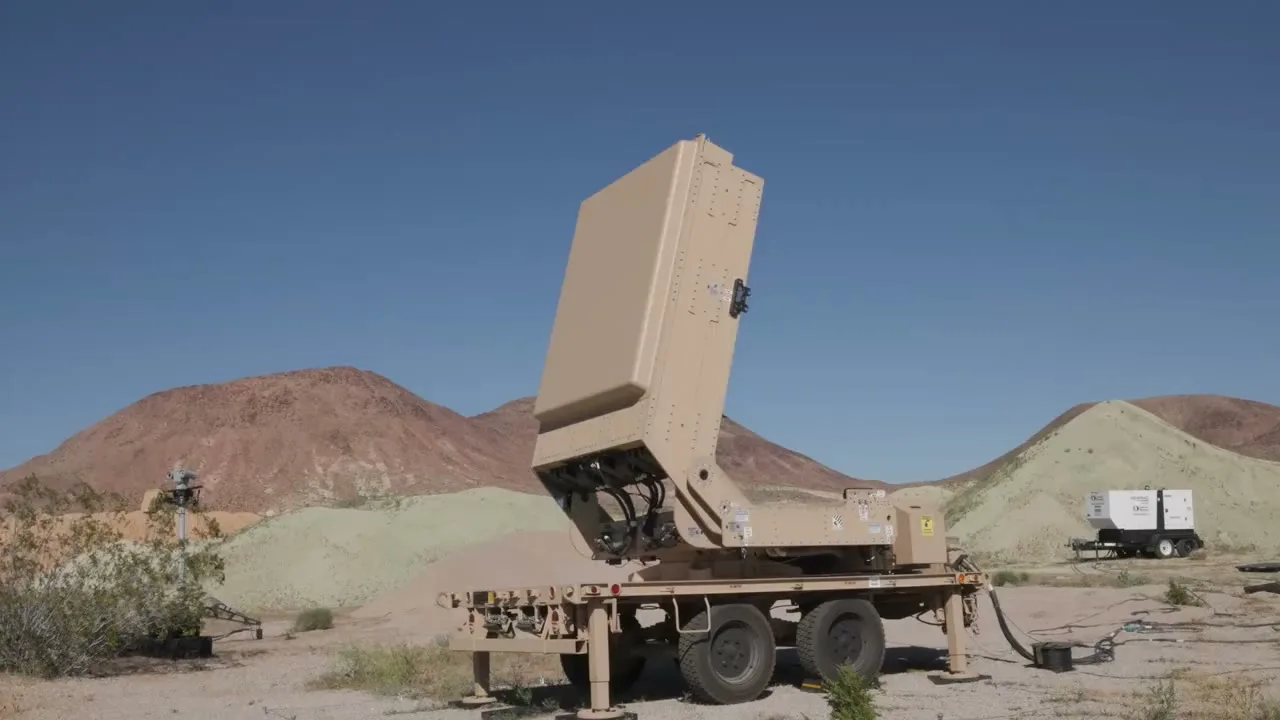
| Primary category | High-Power Microwave | Laser Weapon Systems | Laser Weapon Systems | Electronic Countermeasures |
|---|
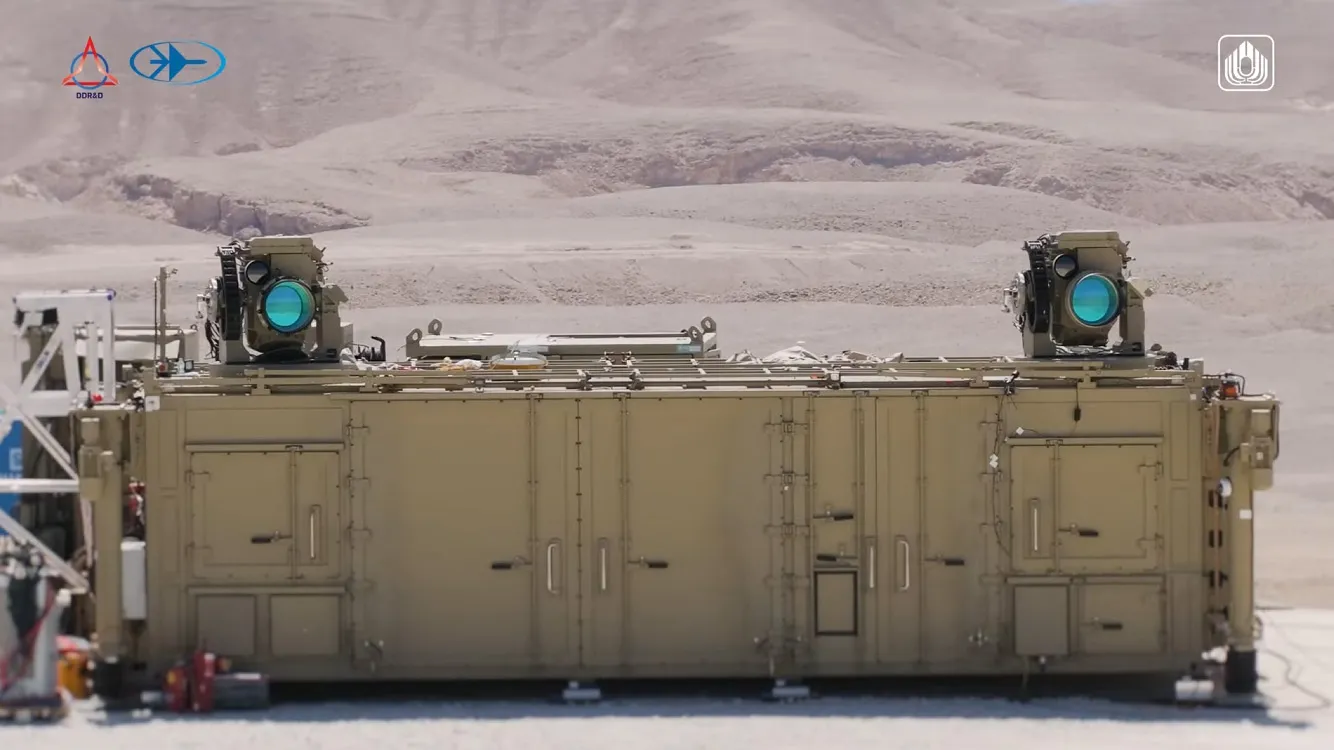
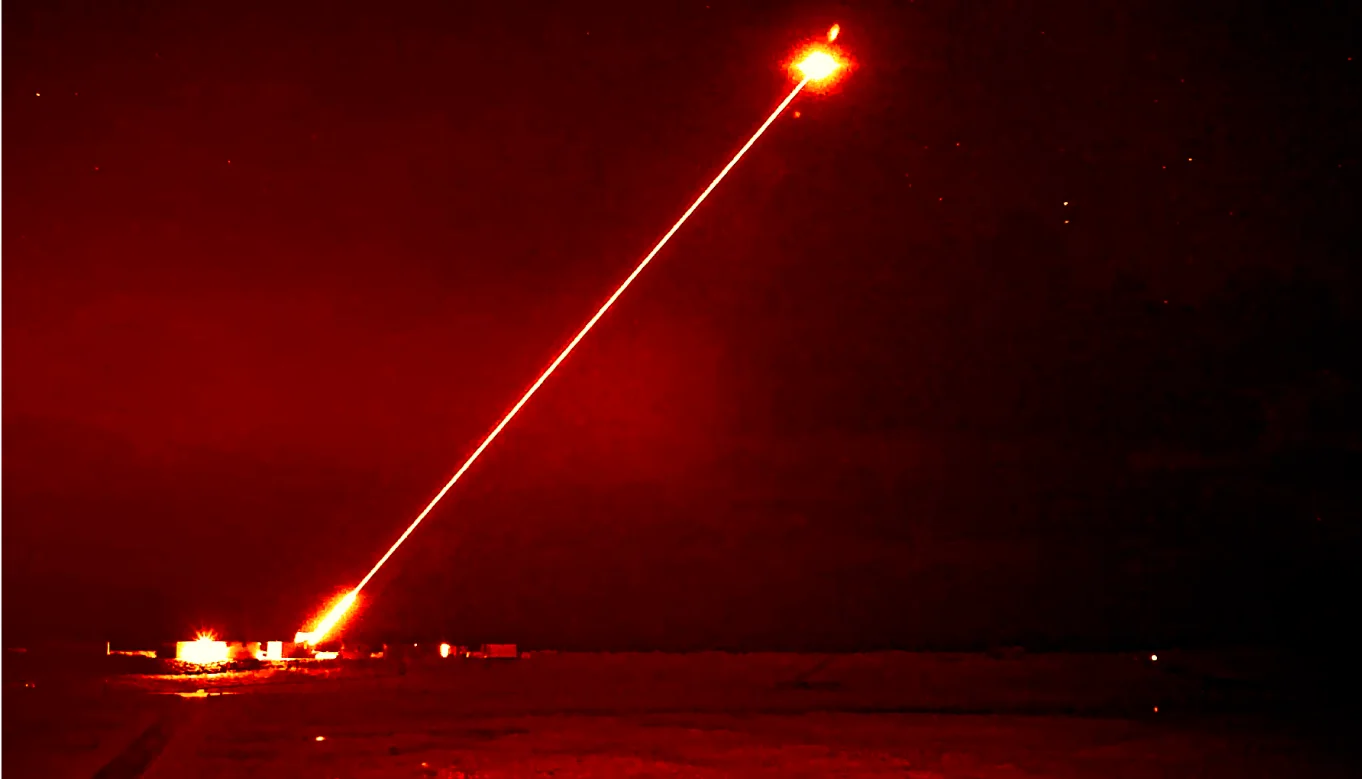
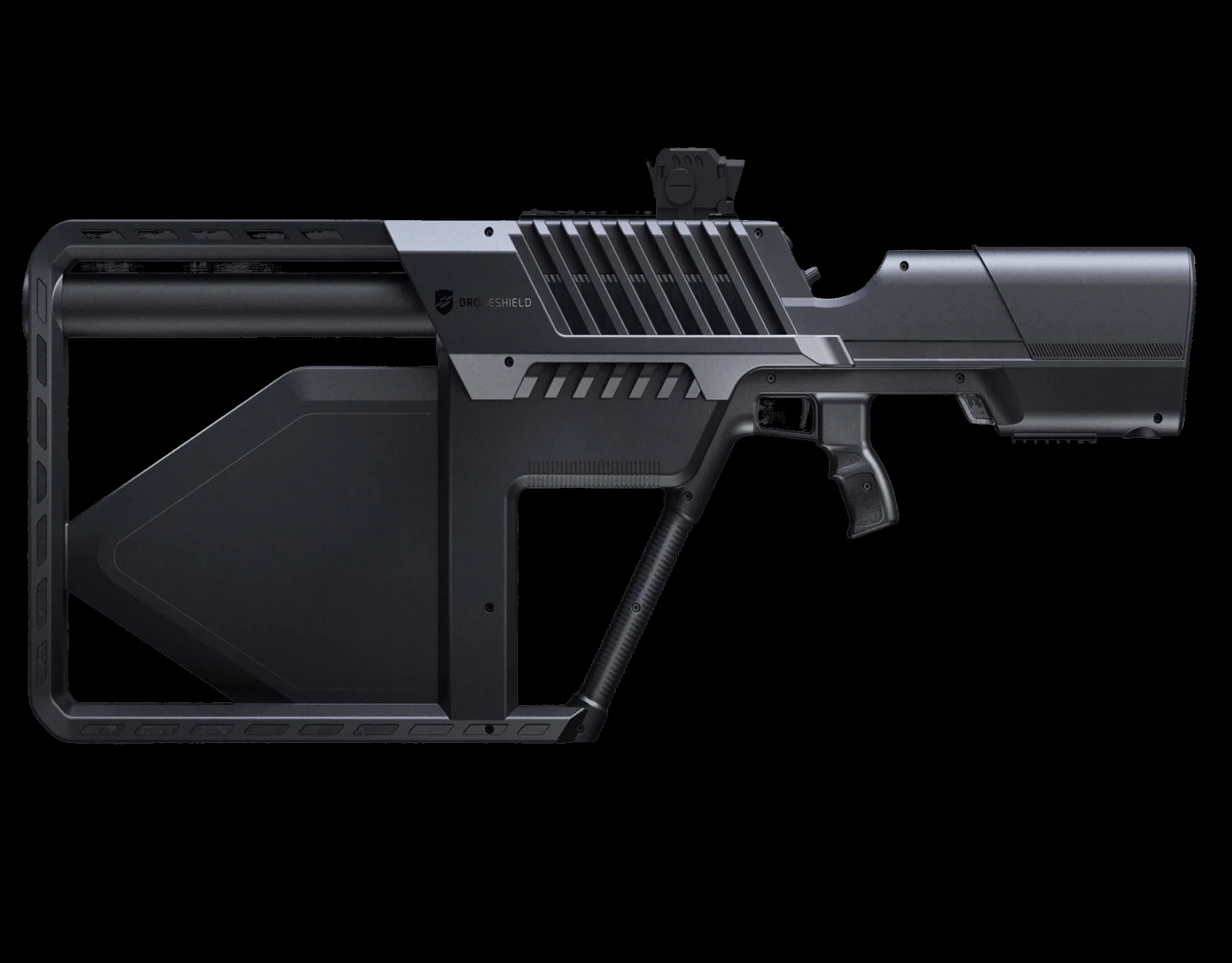
| Subcategory | High-power microwave systems | Fixed-site and containerised lasers | Shipborne lasers | Command-link disruption |
|---|
| Interception mechanism | Microwave energy | Laser energy | Laser energy | Command-link disruption, Navigation disruption |
|---|
| Target types | Small UAS, One-way attack UAVs | Small UAS, One-way attack UAVs, Rockets, artillery, mortars, Cruise missiles | Small UAS, One-way attack UAVs | Small UAS |
|---|
| Platform | Trailer, Containerised, Vehicle-mounted | Containerised, Fixed site | Shipborne | Man-portable |
|---|
| Status | Testing | In service | In development | In production |
|---|
| Developer · Country | Epirus · United States | Rafael Advanced Defense Systems, Elbit Systems · Israel | MBDA UK · United Kingdom | DroneShield · Australia |
|---|
| Propulsion | Not applicable | Not applicable | Not applicable | Not applicable |
|---|
| Reusability | Not applicable | Not applicable | Not applicable | Reusable |
|---|
| Technical profile |
|---|
| Laser type | Solid-state, software-defined, long-pulse high-power microwave; Gen II uses about 150 amplifier modules and pulses of about 1 ms[1][3] | 100 kW-class high-energy laser; coherent beam combining of several laser sources; laser source made by Elbit Systems[1][2][4] | QinetiQ laser source using coherent beam combining; the demonstrator generated about 50 kW in October 2022[3][4] | Not recorded |
|---|
| Power supply | About 800 lb of lithium-polymer batteries (up to 30 min without external power); runs continuously on a 70 kW generator[3] | Electrical power; no interceptor stocks to make, move or store[2][4] | Electrical power instead of ammunition; under £10 per shot, according to the MOD[5][6] | Not recorded |
|---|
| Magazine depth | Not recorded | Continuous engagement without reload cycles while power lasts (manufacturer)[2] | Not recorded | Not recorded |
|---|
| Sensors | Not recorded | Beam director doubles as a long-range EO sensor for detection, classification and damage assessment; 360° azimuth coverage[2] | Electro-optics, tracking algorithms and image processing; a lower-power tracking laser on the turret (reference work)[2][5] | Not recorded |
|---|
| Fire control / radar | Software sets where and when it fires and keeps designated safe zones; IFPC-HPM is integrated with FAAD C2[1][4] | Part of Israel's layered air defence with Iron Dome, David's Sling and Arrow; can also run standalone[2][4] | MBDA command and control and target tracking; line-of-sight, range classified[4][6] | Not recorded |
|---|
| Mobility | Trailer for fixed and semi-fixed sites; Conex, vehicle and sled-mount versions; 15–20 min from stowed to firing (Gen II)[1][3] | Not recorded | Ship mount on Royal Navy Type 45 destroyers from 2027; MBDA also offers it for land use[1][5] | Not recorded |
|---|
| Beam director | Not recorded | Rafael beam director with adaptive optics; Rafael claims coin-sized precision at 10 km[2] | Leonardo UK beam director and optics, from its Edinburgh site[1][4] | Not recorded |
|---|
| Frequency bands | Not recorded | Not recorded | Not recorded | ISM control bands (433 MHz, 915 MHz, 2.4 GHz, 5.8 GHz) and GNSS; a rotary dial selects active bands[1][2] |
|---|
| Techniques | Not recorded | Not recorded | Not recorded | Directional RF disruption of control, video and navigation links; the drone usually lands on the spot or returns to its start point[1] |
|---|
| Form factor | Not recorded | Not recorded | Not recorded | Rifle-style handheld with directional antennas and MIL-STD-1913 rails for optics; IP54; −20 °C to +55 °C[1] |
|---|
| Weight | Not recorded | Not recorded | Not recorded | 7.3 kg with two batteries; more than 2 hours of operation per charge[1] |
|---|
| Characteristics |
|---|
| Maximum range (km) | Not publicly disclosed | Up to 10 kmManufacturer claim[1][3] | Not publicly disclosed | Up to 1 kmManufacturer claim[2] |
|---|
| Endurance (min) | Not recorded | Not recorded | Not recorded | More than 2 hoursManufacturer claim[1] |
|---|
| Output power class (kW) | Not publicly disclosed | ≈ 100 kWManufacturer claim[1] | ≈ 50 kWSecondary reference[2] | Not recorded |
|---|
| Mass (kg) | Not recorded | Not recorded | Not recorded | 7.3 kgManufacturer claim[1] |
|---|
| Guidance / cueing | Not recorded | External radar cueing; adaptive-optics beam directorSecondary reference[3] | Not recorded | Not recorded |
|---|
| Effect | Counter-electronics; one pulse can defeat several dronesManufacturer claim[1] | Thermal damage until structural failure or warhead detonationSecondary reference[3] | Thermal damage; about £10 per shot (MOD)Official document[1] | Jams 433/915 MHz, 2.4/5.8 GHz and GNSSManufacturer claim[2][1] |
|---|
| Launch / operating platform | Trailer (IFPC-HPM); vehicle variantsSecondary reference[2] | Not recorded | Type 45 destroyer (first fit by 2027)Official document[1] | Not recorded |
|---|
| Programme |
|---|
| Operators (in service / ordered) | | | | |
|---|
| Platforms and integration | U.S. Army IFPC-HPM trailer (Gen I prototypes) (in service), IFPC-HPM Gen II (ordered), FAAD C2 (tested), JIATF-401 counter-drone pilot at U.S. bases (ordered), Stryker (Leonidas Mobile) (in development), Leonidas H2O maritime variant (proposed)[1][2][3][4] | Israeli Air Force multi-layer air defence array (Iron Dome, David's Sling, Arrow) (in service), Naval Iron Beam (shipborne application) (proposed)[4][5] | Royal Navy Type 45 destroyer (ordered), Wolfhound armoured vehicle (British Army) (proposed)[1][2] | Not recorded |
|---|
| Public contracts | 1 recorded. Latest: 2025-07-17 · U.S. Army Rapid Capabilities and Critical Technologies Office · 2 systems · US$43,551,060[2][3][5] | 1 recorded. Latest: 2024-10-28 · Israel Ministry of Defense · approximately US$200 million (Elbit share)[6][9] | 2 recorded. Latest: 2025-11-20 · UK Ministry of Defence · £316 million[1][6] | 1 recorded. Latest: 2026-09-29 · U.S. Army Contracting Command, Detroit Arsenal (JIATF-401 Domestic Shield) · US$500,000,000 (ceiling)[4][5] |
|---|
| Production / deliveries | From 2025: About 20 IFPC-HPM II systems a year, possibly 30 planned rate, 2023–2024: 4 IFPC-HPM prototypes delivered[1][3][4] | Not recorded | Not recorded | Not recorded |
|---|
| Latest development | 2026-10: Selected for JIATF-401 pilot[2] | 2025-12-28: First operational system delivered[4] | 2026-07-20: £490m for directed-energy weapons[7] | 2023-07: US$33 million U.S. order[3] |
|---|