| Role |
|---|
| Primary category | Interceptor Missiles | Interceptor Missiles | Interceptor Missiles | Interceptor Missiles |
|---|
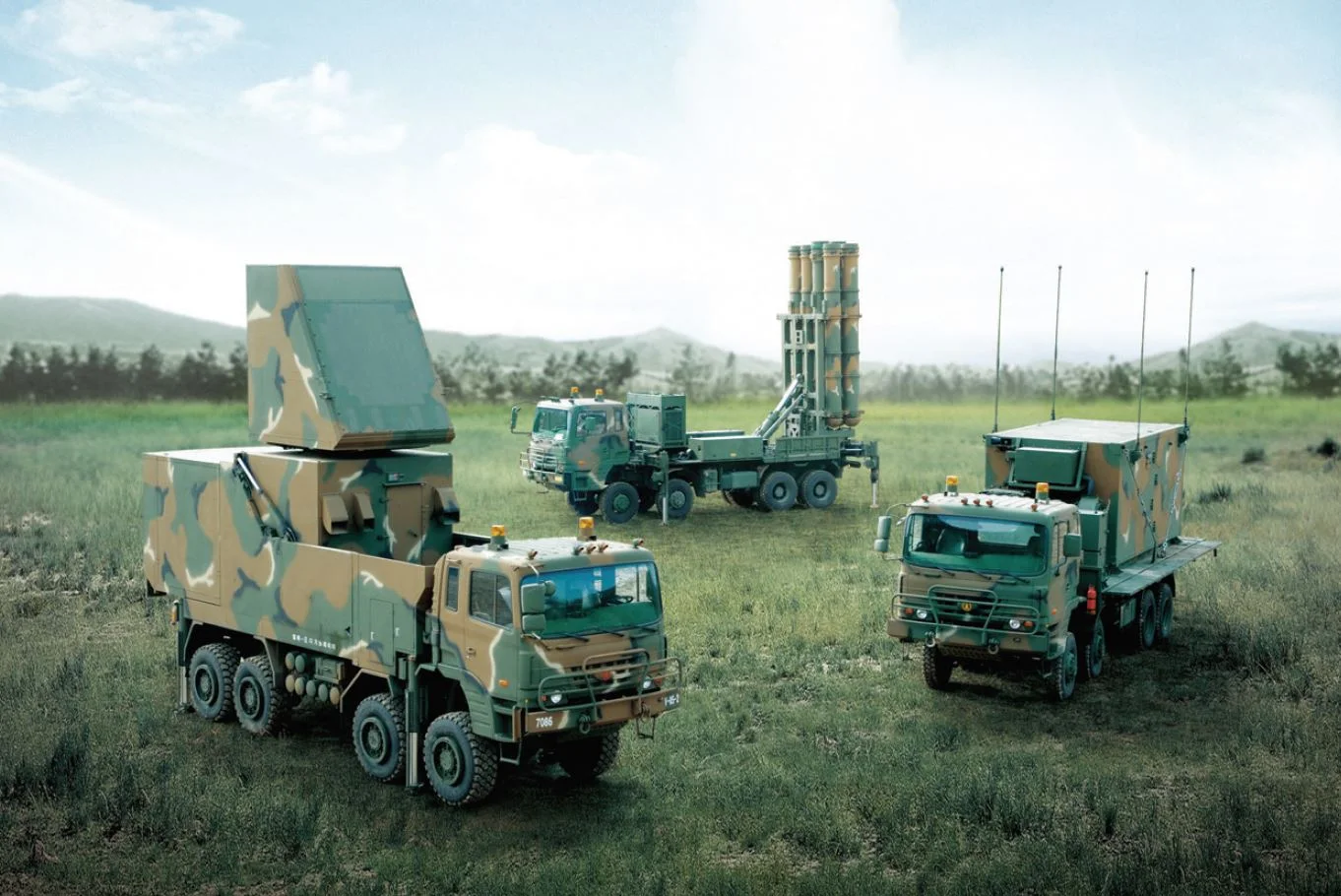
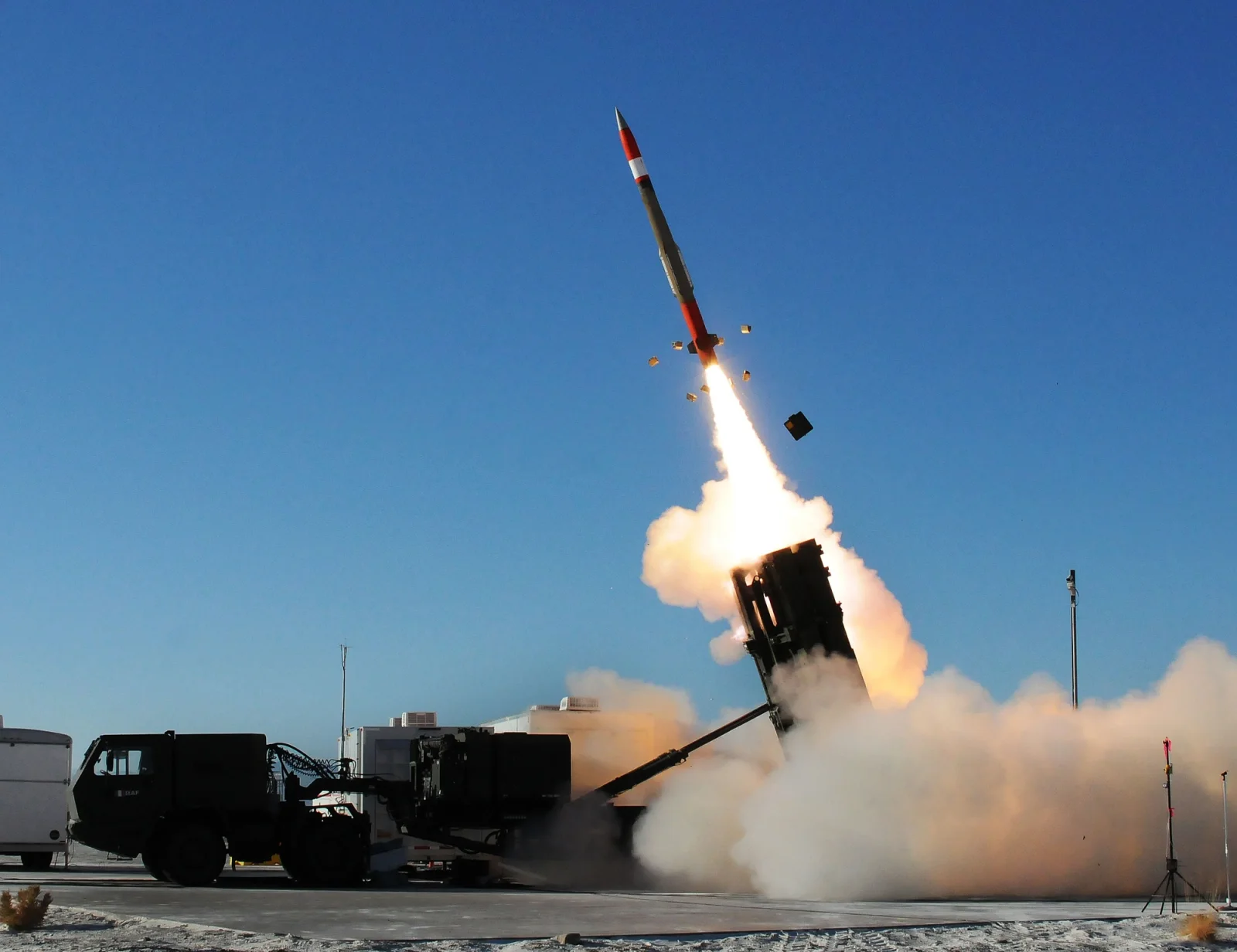
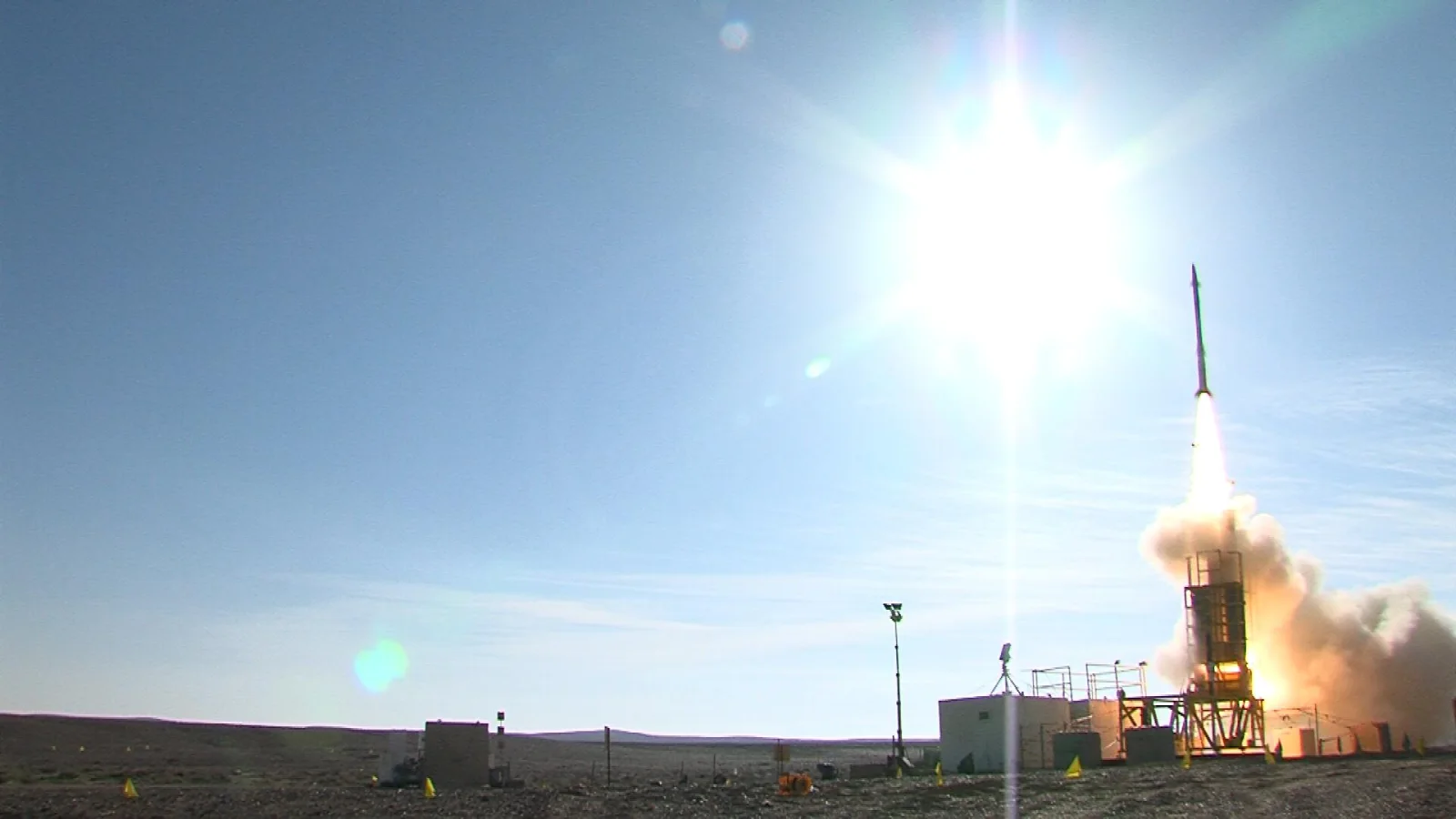
| Subcategory | Medium-range air-defense missiles | Ballistic-missile interceptors · Endo-atmospheric | Medium-range air-defense missiles | Medium-range air-defense missiles |
|---|
| Interception mechanism | Hit-to-kill | Hit-to-kill | Hit-to-kill | Blast-fragmentation, Proximity fuze |
|---|
| Target types | Crewed aircraft, Ballistic missiles | Ballistic missiles, Cruise missiles, Crewed aircraft | Ballistic missiles, Cruise missiles, Rockets, artillery, mortars, Crewed aircraft, One-way attack UAVs | Crewed aircraft, Cruise missiles, One-way attack UAVs |
|---|
| Platform | Vehicle-mounted | Trailer | Vehicle-mounted | Vehicle-mounted, Shipborne |
|---|
| Status | In service | In service | In service | In service |
|---|
| Developer · Country | LIG Defense & Aerospace (formerly LIG Nex1), Agency for Defense Development, Hanwha Aerospace · South Korea | Lockheed Martin · United States | Rafael Advanced Defense Systems, RTX (Raytheon) · Israel | ASELSAN, Roketsan · Türkiye |
|---|
| Propulsion | Solid rocket motor | Solid rocket motor | Solid rocket motor | Solid rocket motor |
|---|
| Reusability | Single-use | Single-use | Single-use | Single-use |
|---|
| Technical profile |
|---|
| Seeker | Active radar terminal seeker[2] | Ka-band active radar seeker; Boeing builds PAC-3 seekers in Huntsville, Alabama[2][10] | Millimetre-wave AESA radar plus dual CCD/IR seekers to tell warheads from decoys[2] | Imaging infrared on HİSAR-O+; active RF (radar) seeker on HİSAR-O RF[1][3][10] |
|---|
| Guidance | Inertial with data-link midcourse updates; Block 2 adapted for hit-to-kill against ballistic missiles[1][2] | Patriot radar uplinks intercept data during flight; the onboard seeker takes over for terminal homing[2] | Not recorded | Inertial midcourse with data-link updates from the fire-control system; terminal homing[3][8] |
|---|
| Warhead | Not recorded | Hit-to-kill; small lethality enhancer releasing 24 tungsten fragments[1][2] | | High-explosive fragmentation; warhead developed by TÜBİTAK SAGE[1][10] |
|---|
| Fuze | Not recorded | Not recorded | Not recorded | Impact and proximity; RF proximity fuze used in the long-range 2023 test of the RF missile[3][10] |
|---|
| Motor / propulsion | Not recorded | Dual-pulse solid rocket motor, more powerful than the original PAC-3's; larger fins that fold inside existing launchers[2] | Two-stage solid: booster plus a three-pulse kill-vehicle motor for terminal manoeuvre[1][2] | Dual-pulse solid-propellant motor (family design); vertical launch[3][10] |
|---|
| Data link | Midcourse data link from the fire-control system[2] | Radar-to-missile uplink from the Patriot fire unit until seeker acquisition[2] | | RF data link from the fire-control centre for midcourse updates[3] |
|---|
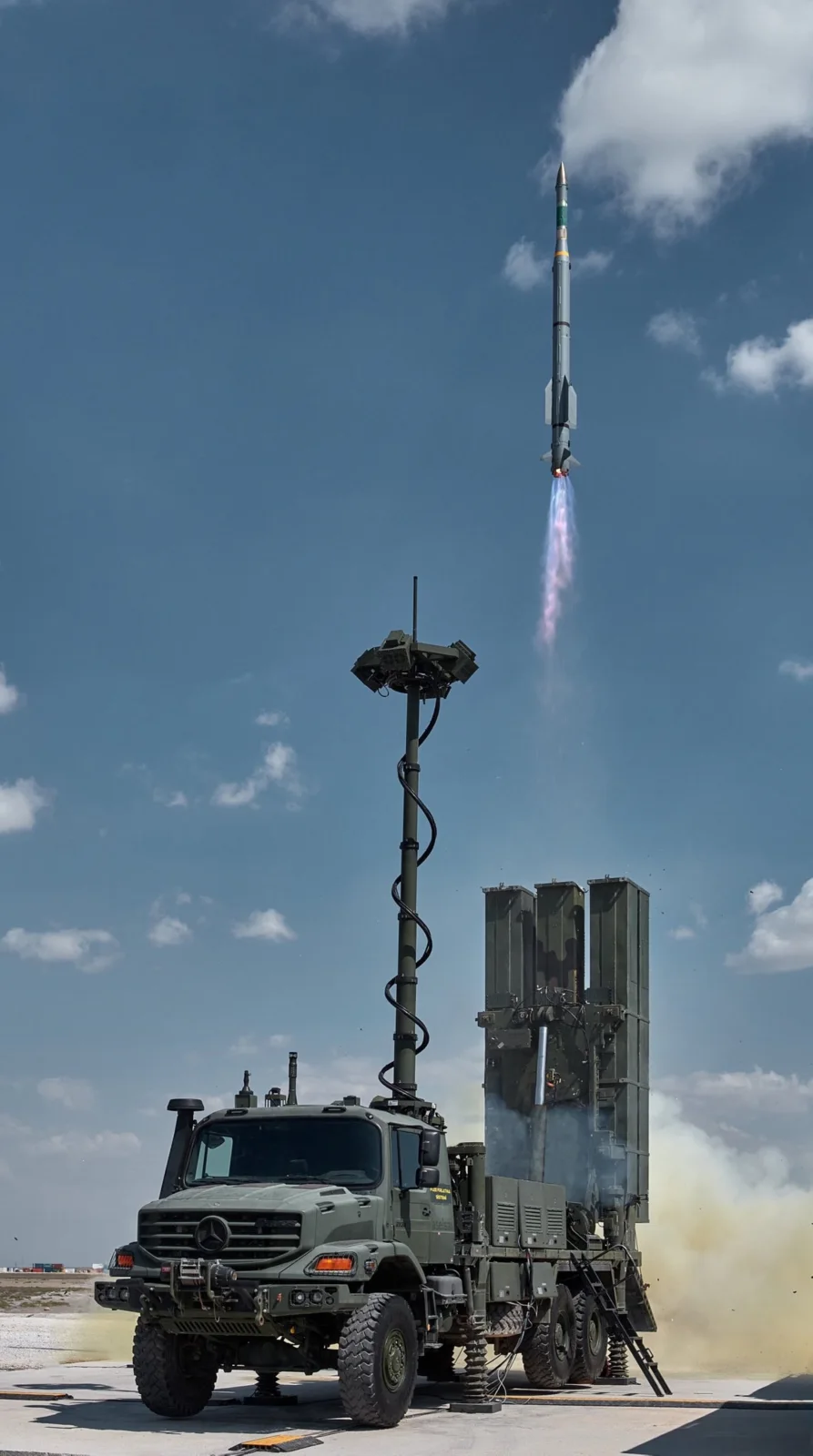
| Launcher | Eight-cell vertical launcher (Hanwha Aerospace)[2] | M903 Patriot launcher (trailer); MSE, PAC-3 and PAC-2 canisters can be mixed[2] | Missile firing units built by RTX[1] | Mercedes-Benz Zetros 6×6 truck with vertical launch canisters[3][7] |
|---|
| Rounds per launcher | 8 per launcher; 4–6 launchers per battery[2] | 12 MSE per M903 launcher, in 3 rows of 4 canisters[2] | Not recorded | 6 ready missiles per launcher; battery of 3 launchers (18 missiles), battalion of 9 (54)[3] |
|---|
| Fire control / radar | PESA X-band 3D radar (100 km detection, 40 tracks) and fire-control vehicle[2] | Patriot AN/MPQ-65A radar and engagement control station; LTAMDS planned; IBCS integration demonstrated[1][2] | Elta EL/M-2084 AESA multi-mission radar[1][2] | ASELSAN KALKAN 3D phased-array radar, EO vehicle, fire-control centre and tactical data-link vehicle; 60+ tracks[2][3] |
|---|
| Characteristics |
|---|
| Maximum range (km) † | 50 km† Range reported in secondary sourcesSecondary reference[2] | ≈ 60 km† Range reported in secondary sourcesSecondary reference[2] | 40–300 km† Range reported in secondary sourcesSecondary reference[2] | At least 25 km† Official range band published by the manufacturerManufacturer claim[1][2] |
|---|
| Detection range (km) | 100 kmSecondary reference[2] | Not recorded | Not recorded | Not recorded |
|---|
| Maximum altitude (km) | 20 kmSecondary reference[2] | ≈ 36 kmSecondary reference[2] | Not recorded | At least 15 kmManufacturer claim[1] |
|---|
| Speed (m/s) | ≈ 1,700 m/sSecondary reference[2] | Not recorded | 1,360–1,870 m/sSecondary reference[2] | Not recorded |
|---|
| Mass (kg) | 400 kgSecondary reference[2] | Not recorded | Not recorded | Not recorded |
|---|
| Length (m) | 4.61 mSecondary reference[2] | ≈ 5.3 mSecondary reference[2] | ≈ 4.95 mSecondary reference[2] | 4.6 mManufacturer claim[1] |
|---|
| Ready rounds / magazine | 8 per launcher; 4–6 launchers per batterySecondary reference[2] | 12 per M903 launcherSecondary reference[2] | Not recorded | Not recorded |
|---|
| Guidance / cueing | Inertial with datalink midcourse; active radar terminal homingSecondary reference[2] | Ka-band active radar seekerSecondary reference[2] | Dual CCD/IR seekers; EL/M-2084 AESA radarSecondary reference[2][1] | INS and data link midcourse; IIR or RF terminal seekerManufacturer claim[1] |
|---|
| Effect | Not recorded | Hit-to-kill, with lethality enhancerManufacturer claim[1][2] | Hit-to-kill; no warheadManufacturer claim[1] | High-explosive fragmentationManufacturer claim[1] |
|---|
| Launch / operating platform | Not recorded | Patriot launcher; also fired from MEADS and an MK-70 container in testsOfficial document[3][4] | Not recorded | Not recorded |
|---|
| Programme |
|---|
| Operators (in service / ordered) | 4: South Korea, United Arab Emirates, Saudi Arabia, Iraq[2] | 6: United States, Netherlands, Romania, Poland, United Arab Emirates, Switzerland[2][7] | 3: Israel, Finland, Greece[2][3] | |
|---|
| Platforms and integration | Multifunction X-band radar (Hanwha) (in service), Daegu-class frigates (in development)[2] | Patriot (M903 launcher) (in service), IBCS (Integrated Air and Missile Defense Battle Command System) (tested), THAAD weapon system (tested), F-35 (tested), LTAMDS radar (in development), MEADS launcher (tested), MK-70 container with virtualised Aegis (tested)[1][2][3][4] | EL/M-2084 radar (in service), Israel's layered defence (between Iron Dome and Arrow) (in service), SkyCeptor (Stunner variant) (proposed)[1][2] | Mercedes-Benz Zetros 6×6 launcher truck (in service), ASELSAN KALKAN 3D search radar (in service), Steel Dome (delivered as HİSAR O 100) (in service), HİSAR-D RF from MİDLAS on TCG İstanbul (tested), Trisula-O (Indonesian variant) (ordered)[3][6] |
|---|
| Public contracts | 2 recorded. Latest: 2024-02-06 · Saudi Arabia (Ministry of Defense) · about US$3.2 billion[2][4][5] | | 1 recorded. Latest: 2023-04-05 · Finland (Finnish Defence Forces) · about €316 million (excluding VAT)[3][5] | Not recorded |
|---|
| Production / deliveries | Not recorded | To November 2026: more than 2,500 MSEs produced cumulative, Seven-year framework from 2026: about 2,000 a year planned rate, December 2023: 500 a year reached planned rate, 2027: 650 a year planned rate[1][2][5][6][11] | Not recorded | 2025-08-27: 3 systems (21 vehicles) delivered[3][6] |
|---|
| Latest development | 2026-03-03: Claimed Middle East intercepts[2][3] | 2026-10-09: PAC-3 Edge presented[1] | 2025-06: First ballistic-missile interception[2] | 2025-08-27: Steel Dome delivery[3][6] |
|---|