| Role |
|---|
| Primary category | High-Power Microwave | High-Power Microwave | Interceptor Missiles | Detection, Tracking & Command |
|---|
| Subcategory | High-power microwave systems | High-power microwave systems | Short-range air-defense missiles | Integrated counter-UAS systems |
|---|
| Interception mechanism | Microwave energy, Command-link disruption | Microwave energy | Hit-to-kill | Command-link disruption, Navigation disruption |
|---|
| Target types | Small UAS | Small UAS, One-way attack UAVs | Crewed aircraft, Cruise missiles, Small UAS, One-way attack UAVs | Small UAS |
|---|
| Platform | Fixed site, Vehicle-mounted | Trailer, Containerised, Vehicle-mounted | Vehicle-mounted | Fixed site, Vehicle-mounted, Shipborne |
|---|
| Status | In production | Testing | In service | In service |
|---|
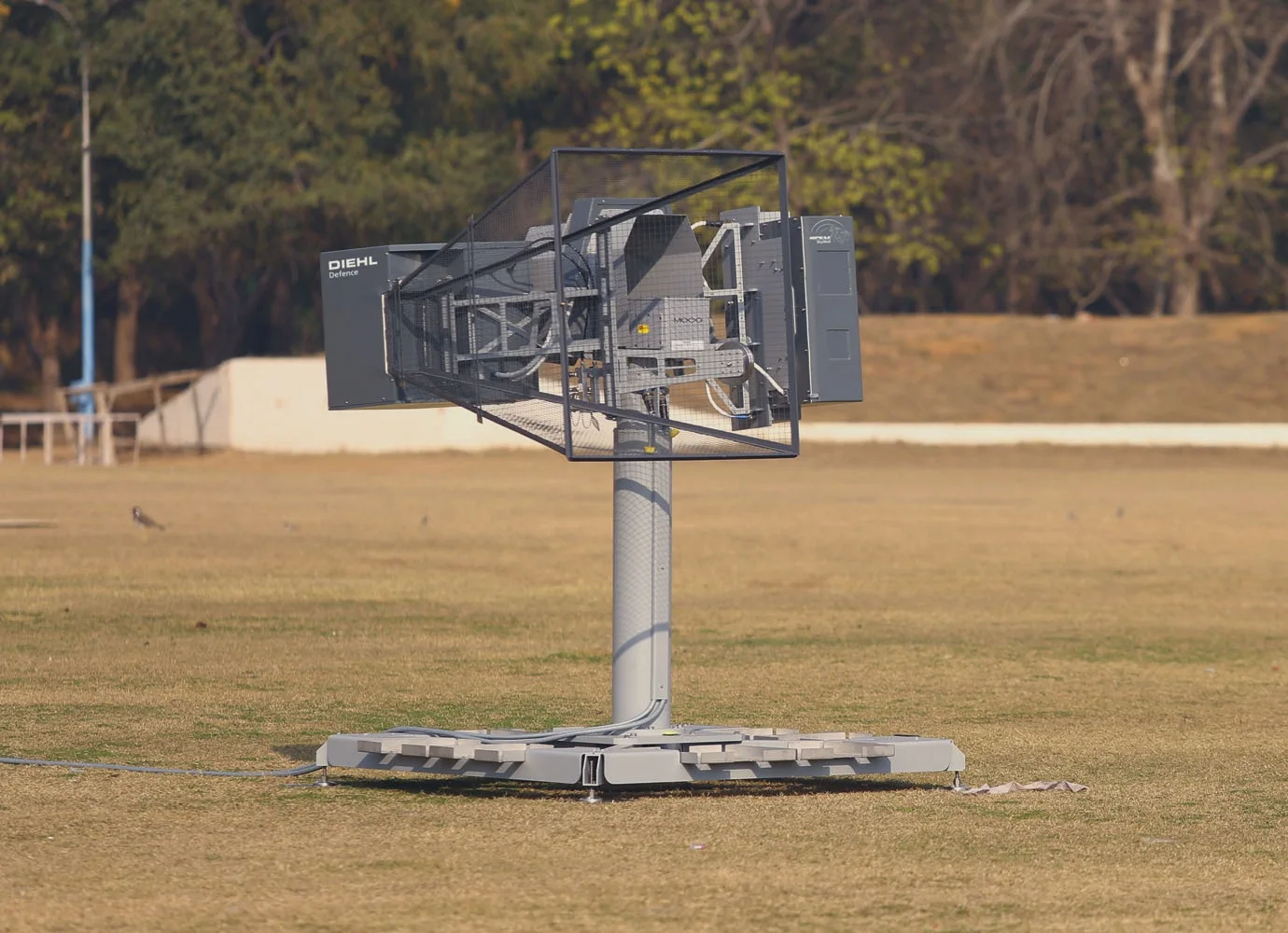
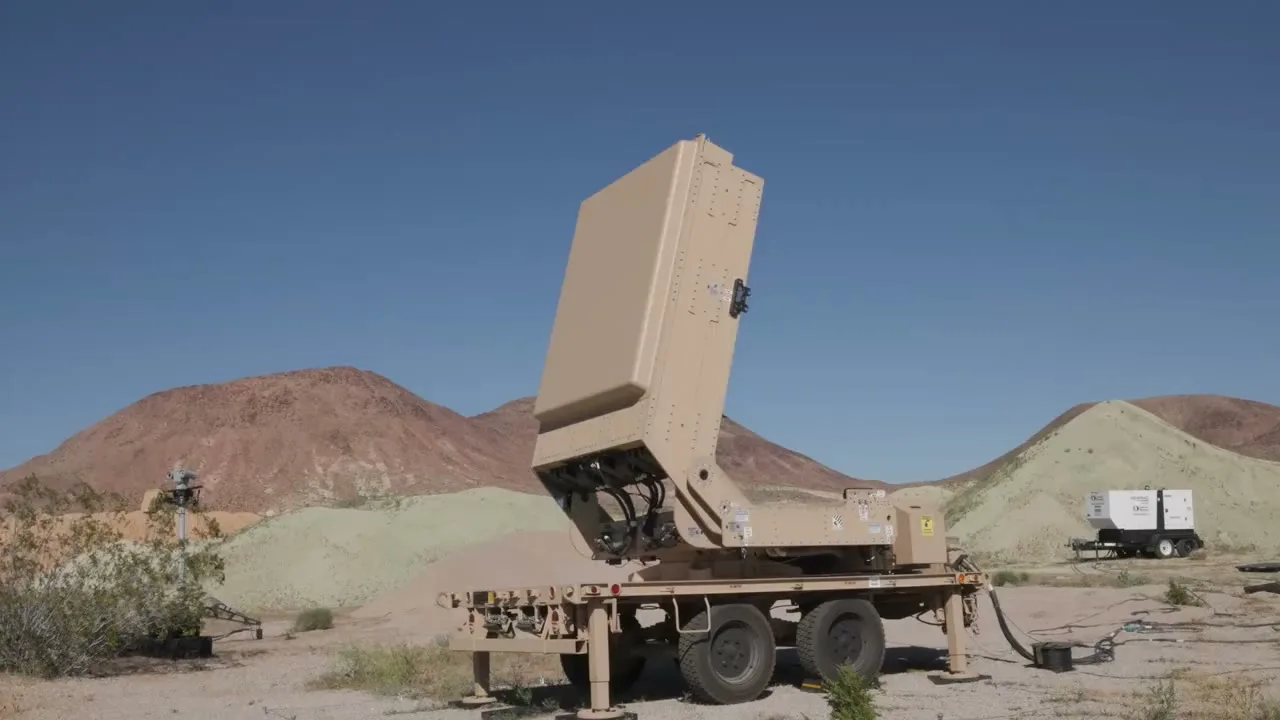
| Developer · Country | Diehl Defence · Germany | Epirus · United States | Diehl Defence · Germany | Indra Group · Spain |
|---|
| Propulsion | Not applicable | Not applicable | Solid rocket motor | Not applicable |
|---|
| Reusability | Reusable | Not applicable | Single-use | Not applicable |
|---|
| Technical profile |
|---|
| Laser type | Not a laser: pulsed high-power RF signal generator feeding a large horn antenna, combined with a barrage jammer[1][3] | Solid-state, software-defined, long-pulse high-power microwave; Gen II uses about 150 amplifier modules and pulses of about 1 ms[1][3] | Not recorded | Not recorded |
|---|
| Power supply | Not recorded | About 800 lb of lithium-polymer batteries (up to 30 min without external power); runs continuously on a 70 kW generator[3] | Not recorded | Not recorded |
|---|
| Magazine depth | Wide emission lobe lets one emitter engage several drones, including swarms; no shot-count limit published[1][3] | Not recorded | Not recorded | Not recorded |
|---|
| Sensors | User-selected: day cameras with automatic target recognition, IR sights, direction finders or radars[3] | Not recorded | Not recorded | Not recorded |
|---|
| Fire control / radar | Integrates with various C2 systems; AI-supported detection, operator decides; shown combined with IRIS-T GBAD[1][3] | Software sets where and when it fires and keeps designated safe zones; IFPC-HPM is integrated with FAAD C2[1][4] | Open radar/C2 choice: Giraffe 1X (Sweden), TRML-4D (Ukraine), NASAMS C2 and Weibel radar (Norway)[3][8][9] | Not recorded |
|---|
| Mobility | Stationary or mobile platforms[1] | Trailer for fixed and semi-fixed sites; Conex, vehicle and sled-mount versions; 15–20 min from stowed to firing (Gen II)[1][3] | Not recorded | Fixed sites, naval units and a high-mobility vehicle version that protects convoys on the move[2] |
|---|
| Seeker | Not recorded | Not recorded | Imaging, jamming-resistant infrared seeker; lock-on after launch possible[1][3] | Not recorded |
|---|
| Guidance | Not recorded | Not recorded | Inertial guidance on 3D target coordinates in the initial phase, then IIR terminal homing[3] | Not recorded |
|---|
| Warhead | Not recorded | Not recorded | HE-fragmentation, 11.4 kg[3] | Not recorded |
|---|
| Fuze | Not recorded | Not recorded | Impact and active radar proximity fuze[3] | Not recorded |
|---|
| Motor / propulsion | Not recorded | Not recorded | Solid-propellant rocket motor with thrust-vector control (exhaust vanes)[1][3] | Not recorded |
|---|
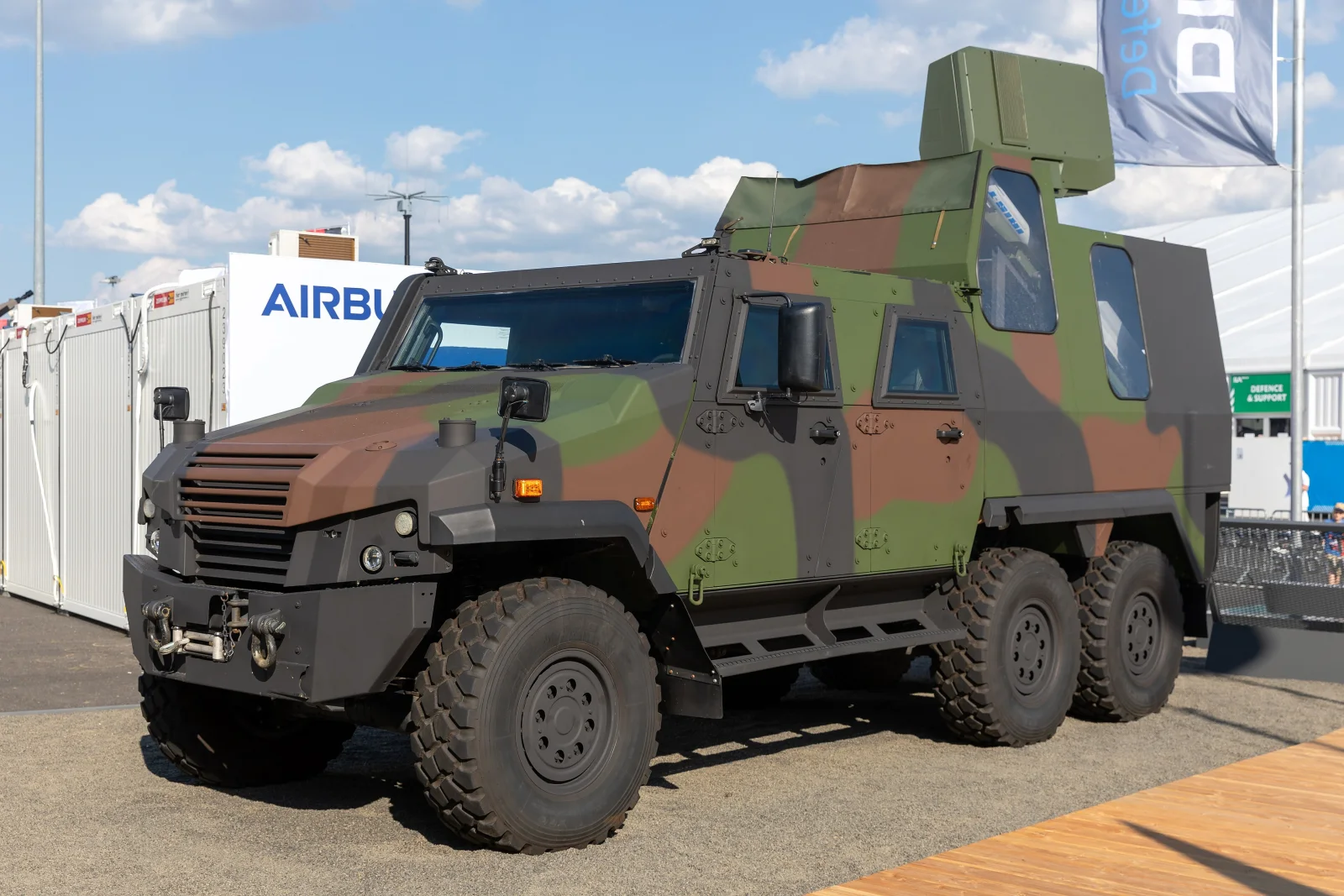
| Launcher | Not recorded | Not recorded | Vehicle-independent launcher on a 10-foot ISO frame; Mk III and MK4 put radar, C2 and launcher on one vehicle[1][2] | Not recorded |
|---|
| Rounds per launcher | Not recorded | Not recorded | 4 IRIS-T per launcher (SLS, Mk III); MK4 carries an eightfold load[1][2] | Not recorded |
|---|
| Reaction / readiness | Not recorded | Not recorded | High degree of automation for fast response; MK4 aims at fire on the move[1][2] | Not recorded |
|---|
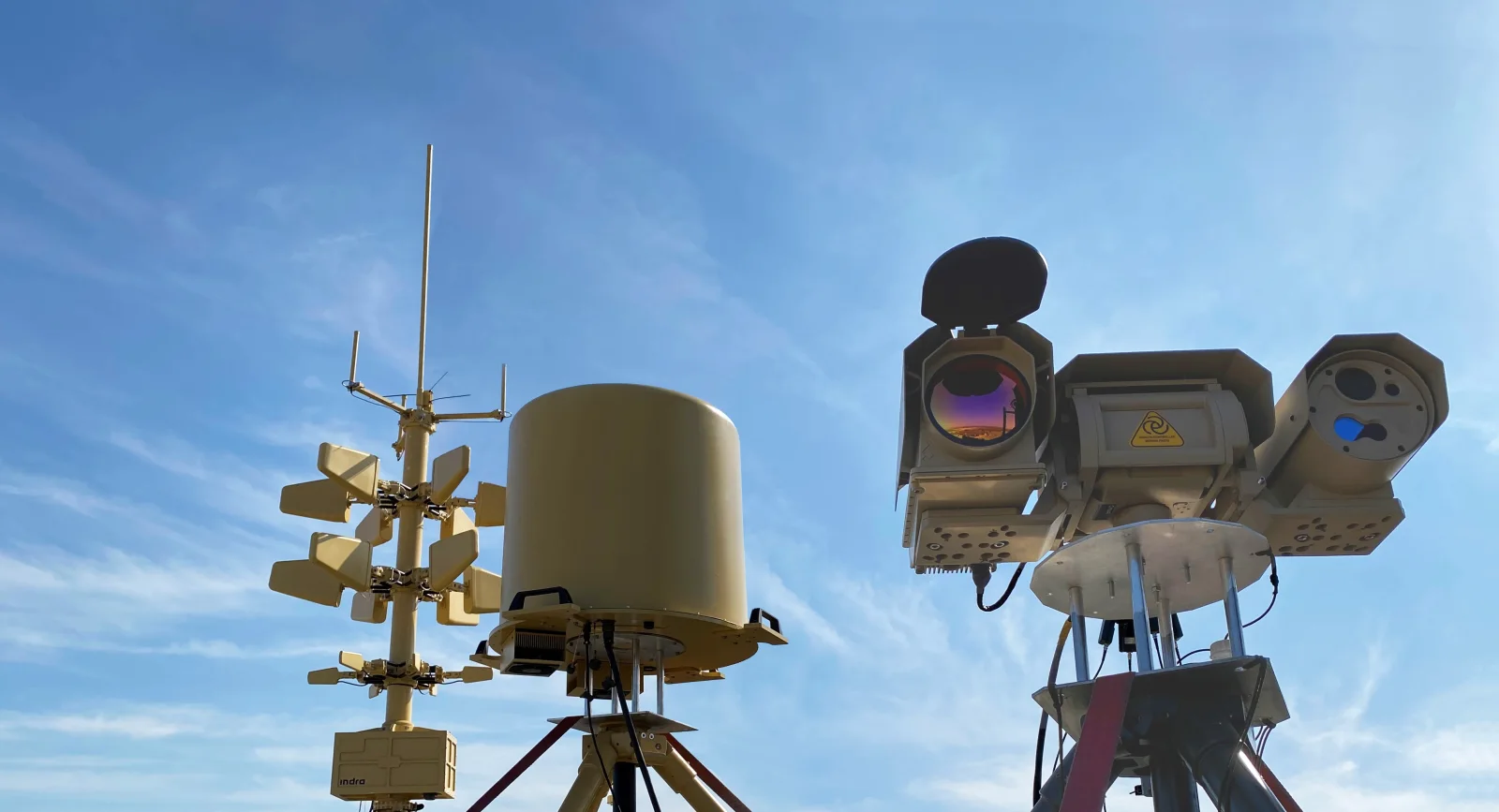
| Antenna | Not recorded | Not recorded | Not recorded | 3D radars plus RF direction-finding antennas and thermal/visible camera heads on separate masts[2][3] |
|---|
| Coverage | Not recorded | Not recorded | Not recorded | 24/7 operation with user-defined priority and exclusion zones and alarm thresholds; ranges not published[2] |
|---|
| Target classes | Not recorded | Not recorded | Not recorded | Small drones, including swarms modified to resist countermeasures (TIE24); AI-based classification[1][2] |
|---|
| Interfaces | Not recorded | Not recorded | Not recorded | Open C2 using NATO C-UAS AEDP-4869 (formerly SAPIENT); linked to 27 third-party sensors and effectors at TIE24[1] |
|---|
| Characteristics |
|---|
| Maximum range (km) | Not publicly disclosed | Not publicly disclosed | Up to 12 kmManufacturer claim[1][2] | Not recorded |
|---|
| Detection range (km) | Not recorded | Not recorded | Not recorded | Not publicly disclosed |
|---|
| Maximum altitude (km) | Not recorded | Not recorded | Up to 6 kmManufacturer claim[1][2] | Not recorded |
|---|
| Speed (m/s) | Not recorded | Not recorded | 680 m/sSecondary reference[3] | Not recorded |
|---|
| Output power class (kW) | Not recorded | Not publicly disclosed | Not recorded | Not recorded |
|---|
| Mass (kg) | Not recorded | Not recorded | 87.4 kgSecondary reference[3] | Not recorded |
|---|
| Length (m) | Not recorded | Not recorded | 2.94 mSecondary reference[3] | Not recorded |
|---|
| Ready rounds / magazine | Not recorded | Not recorded | 4 missiles per launcher (Mk III); 8 on the MK4 (reference work)Manufacturer claim[1][3] | Not recorded |
|---|
| Guidance / cueing | Not recorded | Not recorded | Imaging infrared seeker, lock-on after launchManufacturer claim[1][3] | 3D radar, RF sensors, thermal and visible cameras, AI classificationManufacturer claim[2] |
|---|
| Effect | High-power electromagnetic pulses plus jamming; soft or hard kill depending on drone and distanceManufacturer claim[1][2] | Counter-electronics; one pulse can defeat several dronesManufacturer claim[1] | Not recorded | Jamming of command and navigation links; further soft- and hard-kill optionsManufacturer claim[3][2] |
|---|
| Launch / operating platform | Stationary or mobile platformsManufacturer claim[1] | Trailer (IFPC-HPM); vehicle variantsSecondary reference[2] | Mowag Eagle 6×6 (Mk III), Bv 410 (Sweden), trucksSecondary reference[3] | Fixed sites, vehicles and naval unitsManufacturer claim[2] |
|---|
| Programme |
|---|
| Operators (in service / ordered) | 1: Undisclosed African country[3] | | | |
|---|
| Platforms and integration | Barrage jammer (incl. ISM bands) and optional GNSS jammer (in service), IRIS-T ground-based air defence (tested)[3] | U.S. Army IFPC-HPM trailer (Gen I prototypes) (in service), IFPC-HPM Gen II (ordered), FAAD C2 (tested), JIATF-401 counter-drone pilot at U.S. bases (ordered), Stryker (Leonidas Mobile) (in development), Leonidas H2O maritime variant (proposed)[1][2][3][4] | Bv 410 tracked carrier (eldenhet 98 / lvrbs 98) (in service), Giraffe 1X radar (in service), Iveco Eurocargo 4×4 launcher truck (in service), Hensoldt TRML-4D radar (in service), NOMADS mobile GBAD (NASAMS C2, Weibel radar) (ordered), Mowag Eagle V 6×6 (Mk III) (tested), Boxer 8×8 (LVS NNbS) (in development), CICADA C-UAV eMissile as second effector (MK4) (proposed)[2][3][5][7][8][9] | NATO C-UAS AEDP-4869 / SAPIENT interoperability standard (tested), Indra radio-frequency drone sensor (tested), High-mobility vehicle (convoy protection) (in service), Naval units in EU Operation Atalanta (in service), Base and infrastructure protection in Lithuania (in service)[1][2] |
|---|
| Public contracts | Not recorded | 1 recorded. Latest: 2025-07-17 · U.S. Army Rapid Capabilities and Critical Technologies Office · 2 systems · US$43,551,060[2][3][5] | | Not recorded |
|---|
| Production / deliveries | Not recorded | From 2025: About 20 IFPC-HPM II systems a year, possibly 30 planned rate, 2023–2024: 4 IFPC-HPM prototypes delivered[1][3][4] | 2023-08 to 2025-02: 10 systems to Ukraine delivered[9] | Not recorded |
|---|
| Latest development | 2022-05: First reported export order[3] | 2026-10: Selected for JIATF-401 pilot[2] | 2026-06-09: IRIS-T SLS MK4 unveiled[2] | 2024-09: NATO TIE24 interoperability exercise[1] |
|---|