| Role |
|---|
| Primary category | Interceptor Missiles | Interceptor Missiles | Interceptor Missiles | Interceptor Missiles |
|---|
| Subcategory | Counter-UAS missiles | Counter-UAS missiles | Counter-UAS missiles | Very-short-range air-defense missiles |
|---|
| Interception mechanism | Blast-fragmentation, Proximity fuze | Proximity fuze, Blast-fragmentation | Direct impact | Blast-fragmentation, Proximity fuze |
|---|
| Target types | Small UAS, One-way attack UAVs | Small UAS, One-way attack UAVs, Cruise missiles | Surface vessels, Small UAS | Crewed aircraft, Small UAS, One-way attack UAVs |
|---|
| Platform | Vehicle-mounted, Shipborne, Airborne | Airborne, Vehicle-mounted, Shipborne | Vehicle-mounted, Shipborne, Airborne | Man-portable, Vehicle-mounted, Airborne |
|---|
| Status | In development | In service | In service | In service |
|---|
| Developer · Country | Roketsan · Türkiye | BAE Systems, L3Harris · United States | Agency for Defense Development, LIG Defense & Aerospace (formerly LIG Nex1) · South Korea | RTX (Raytheon) · United States |
|---|
| Propulsion | Solid rocket motor | Solid rocket motor | Solid rocket motor | Solid rocket motor |
|---|
| Reusability | Single-use | Single-use | Single-use | Single-use |
|---|
| Technical profile |
|---|
| Seeker | Semi-active laser; baseline CİRİT works with STANAG 3733 laser designators[3][4] | Distributed-aperture semi-active laser seeker (DASALS) in the canard leading edges; optics deploy about 0.5 s after launch[1][3] | Imaging infrared; detection at about 12 km and tracking at about 9 km (reference work)[1] | Passive infrared; POST and RMP versions use a dual IR/UV detector, cooled by argon from the battery coolant unit[2] |
|---|
| Guidance | Laser homing aided by MEMS sensors and an IMU; flight-control algorithm revised for air targets[2][4] | Semi-active laser homing through the WGU-59/B mid-body guidance section; CEP under 0.5 m (reference work)[3] | Inertial midcourse to a launcher-supplied position, IIR terminal homing; fire-and-forget; 0.54 m CEP[1] | Fire-and-forget; proportional navigation, then a mode that steers toward the airframe rather than the exhaust plume[2] |
|---|
| Warhead | Anti-UAV high-explosive air-target warhead[1][3][4] | Existing Hydra 70 warheads, such as M151 for the counter-drone role[1][3] | | HE-fragmentation with about 1.02 kg of HTA-3 explosive (the reference work's infobox gives 3 kg for the warhead)[2] |
|---|
| Fuze | | Proximity fuze from L3Harris and Technology Service Corporation, a drop-in for the M423[1][2] | Not recorded | Impact fuze with self-destruct 17 s after launch; FIM-92J adds a proximity-fuzed warhead section for unmanned targets[2][4] |
|---|
| Motor / propulsion | Not recorded | Unmodified Hydra 70 Mk 66 motor; Nammo developing a motor for 12–15 km[3] | Standard Hydra 70 single-stage solid motor[1] | Small ejection motor, then a two-stage solid-propellant flight motor; FIM-92J has a new flight motor[2] |
|---|
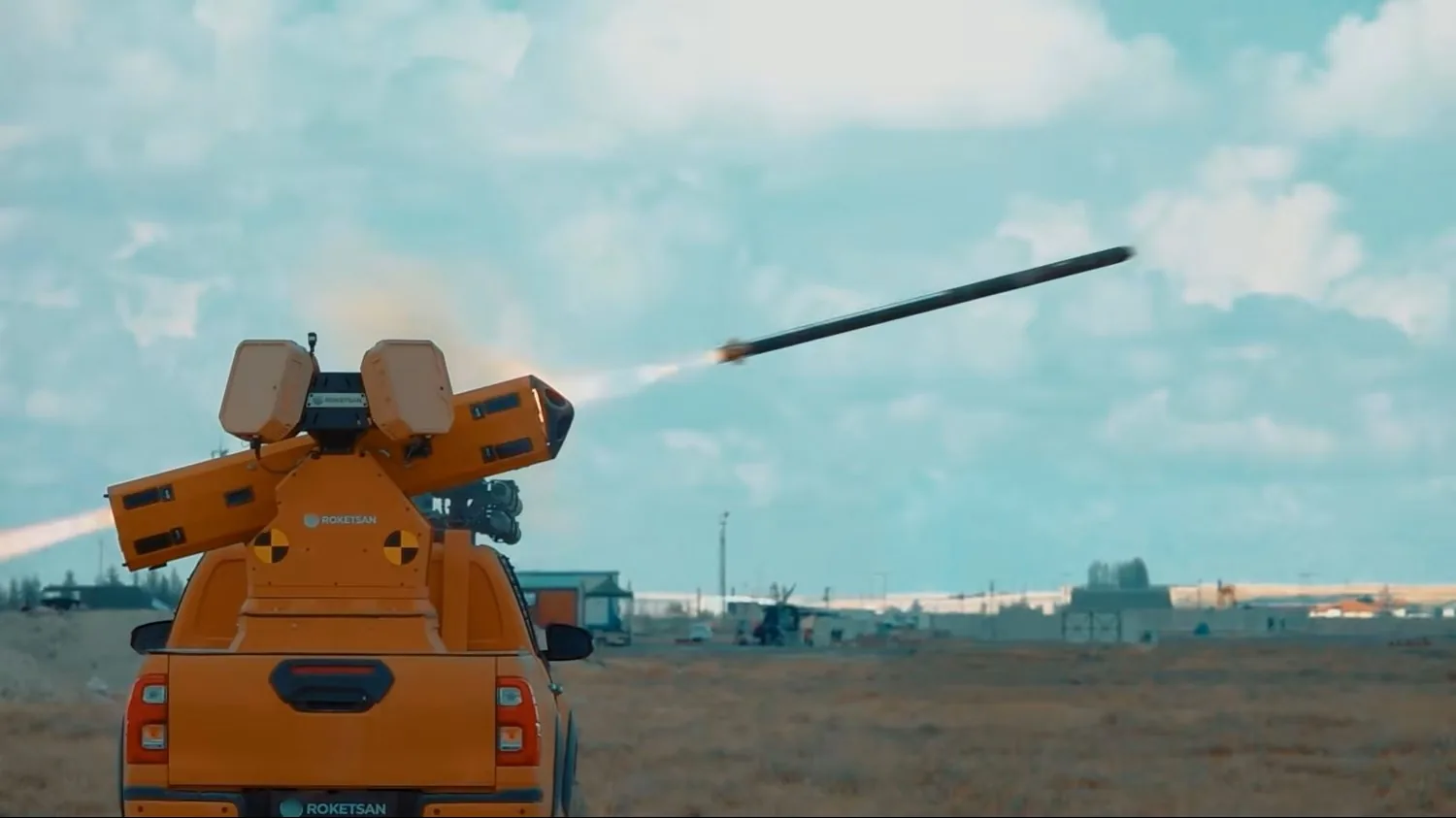
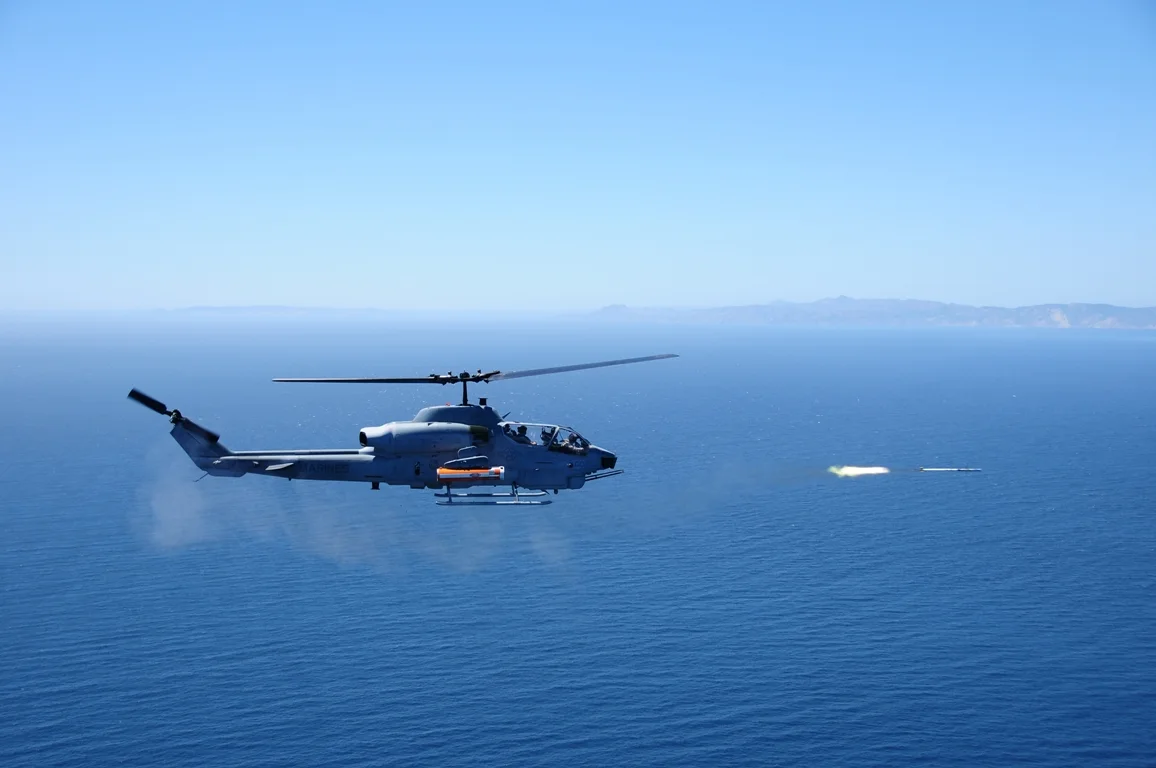
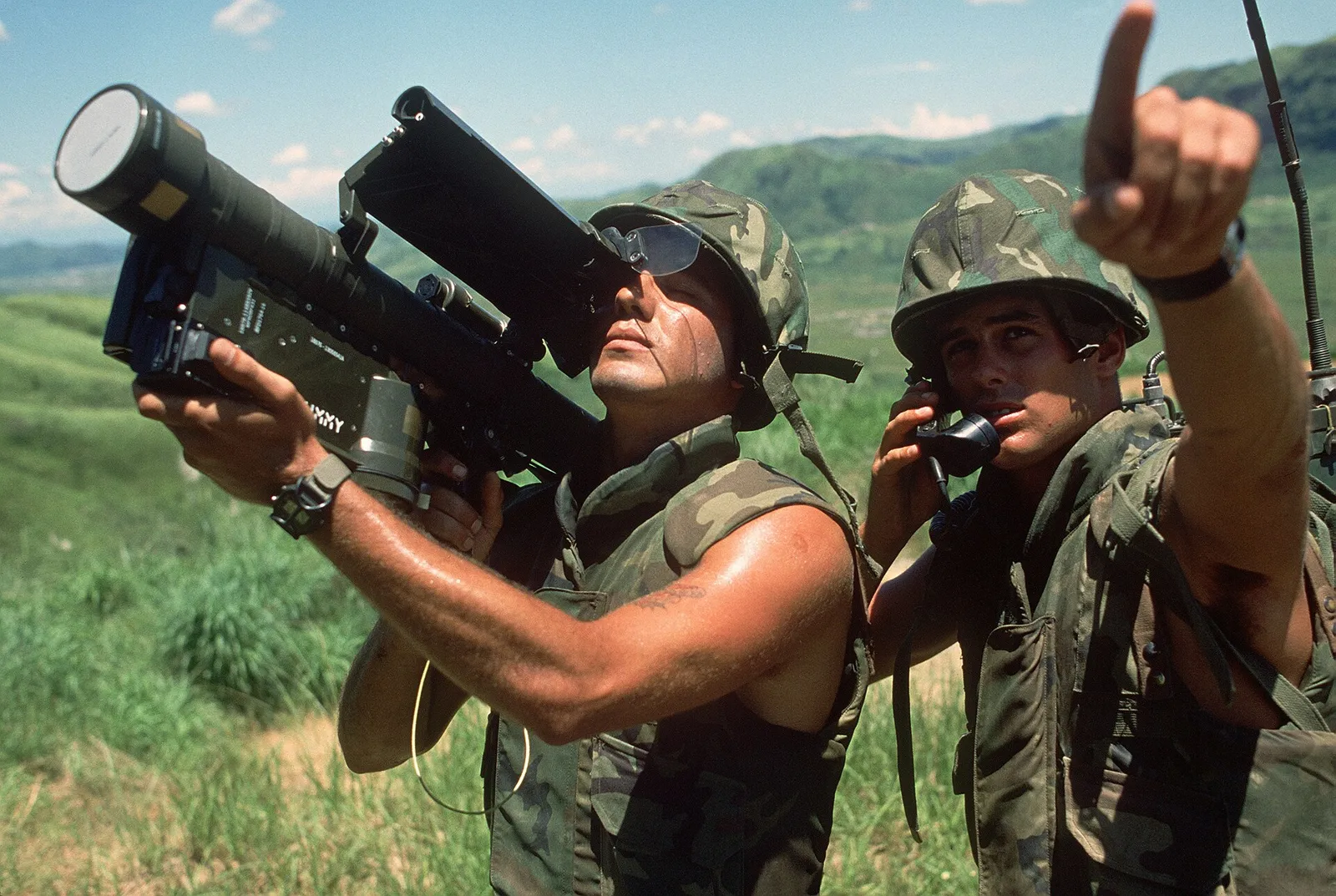
| Launcher | CİRİT Quad-Pack Launcher System (CQPLS), four missiles; mounted on the PUSU C-UAS Weapon System. Launch from land, naval and air platforms[2][7][9] | Existing 70 mm launchers on helicopters, jets, UAVs, ground vehicles and ships; four-round VAMPIRE launcher[4][5] | ROK Marine Corps 6×6 coastal-defence truck with two 18-round containers; existing 2.75-inch launchers[1][2] | Shoulder gripstock; Avenger and M6 Linebacker vehicles; Air-to-Air Stinger on AH-64, Tiger and T129 helicopters[2] |
|---|
| Rounds per launcher | Not recorded | Not recorded | 36 per coastal-defence truck[1] | Not recorded |
|---|
| Fire control / radar | On PUSU-C: Echodyne EchoShield radar and an EO/IR sensor with about 5 km range against low-flying targets[2] | Not recorded | Not recorded | Not recorded |
|---|
| Characteristics |
|---|
| Maximum range (km) † | Up to 5 km† Maximum engagement range as claimed by the developerManufacturer claim[3][2] | Up to 5 km† Range reported in secondary sourcesSecondary reference[3] | At least 8 km† Range reported in secondary sourcesSecondary reference[1] | Up to 4.8 km† Range reported in secondary sourcesSecondary reference[2][3] |
|---|
| Maximum altitude (km) | Not recorded | Not recorded | Not recorded | Up to 3.8 kmSecondary reference[2][3] |
|---|
| Speed (m/s) | Not recorded | Up to 1,000 m/sSecondary reference[3] | Not recorded | ≈ 750 m/sSecondary reference[2][4] |
|---|
| Calibre (mm) | Not recorded | 70 mmManufacturer claim[1] | 70 mmSecondary reference[1] | Not recorded |
|---|
| Mass (kg) | 17 kgManufacturer claim[3] | 4.1 kgSecondary reference[3] | Up to 15 kgSecondary reference[1] | 10.1 kgSecondary reference[2] |
|---|
| Length (m) | Not recorded | 1.87 mSecondary reference[3] | 1.9 mSecondary reference[1] | 1.52 mSecondary reference[2] |
|---|
| Guidance / cueing | Semi-active laser with IMUManufacturer claim[3][4] | Semi-active laser (DASALS optics in WGU-59/B)Secondary reference[3] | INS midcourse, imaging-infrared terminal (fire-and-forget)Secondary reference[1] | Passive infrared homing, fire-and-forgetSecondary reference[2] |
|---|
| Effect | Anti-UAV high-explosive warhead, RF proximity fuzeManufacturer claim[1][2] | M151 warhead with proximity fuze (drop-in for M423)Manufacturer claim[1][2] | Not recorded | HE-fragmentation, impact fuze; proximity fuze on FIM-92J (reported)Secondary reference[2][4] |
|---|
| Launch / operating platform | PUSU C-UAS Weapon System with the CİRİT Quad-Pack Launcher System (CQPLS); land, naval and air platformsSecondary reference[9][2][7] | Not recorded | Not recorded | Shoulder launcher, Avenger, IM-SHORAD, helicoptersSecondary reference[2] |
|---|
| Programme |
|---|
| Operators (in service / ordered) | 2: Türkiye, United Arab Emirates[4] | 8: United States, Australia, Jordan, United Kingdom, Czech Republic, Ukraine, Saudi Arabia, Lebanon[3][5] | 3: South Korea, Saudi Arabia, United Arab Emirates[1] | 10: United States, Germany, Italy, Netherlands, Türkiye, Ukraine, United Kingdom, Japan, South Korea, Taiwan[2][6][7] |
|---|
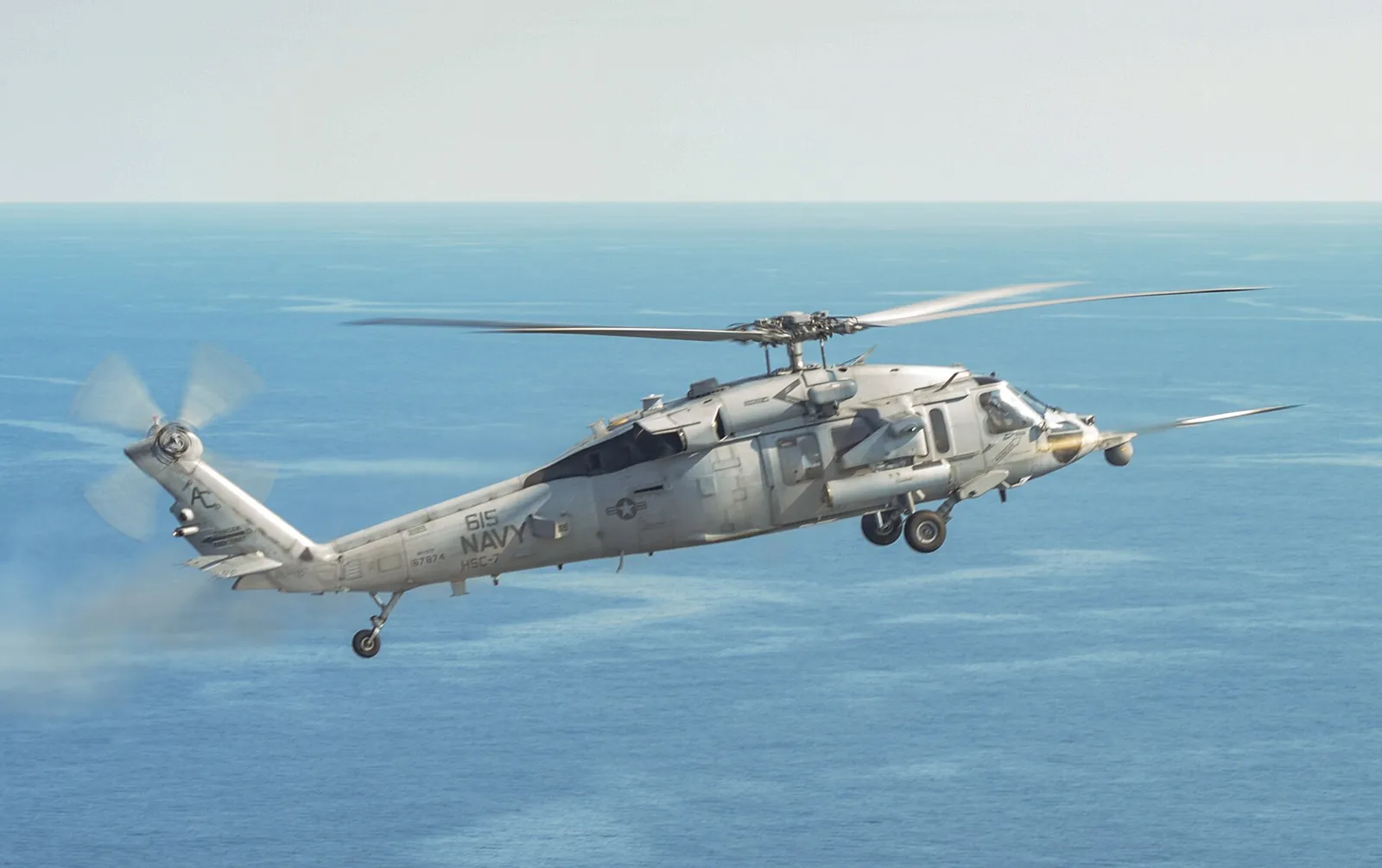
| Platforms and integration | PUSU C-UAS Weapon System with CİRİT Quad-Pack Launcher System (CQPLS) (tested), Naval platforms (proposed), Echodyne EchoShield radar (tested), KMC launchers (KAPLAN STA, USVs) (proposed), T129 ATAK, HÜRKUŞ-C, AH-1W (proposed), EM&E remote weapon stations (proposed)[2][3][4][5][7][8][9] | VAMPIRE (pickup and boat kit) (in service), AH-64 Apache (in service), AH-1Z and UH-1Y (in service), MH-60S/R Seahawk (in service), F-16 (in service), F-15E and A-10 (in service), Eurofighter Typhoon (in service), EAGLS and ground vehicle kits (tested)[3][4] | ROK Marine Corps mobile coastal-defence truck (in service), Royal Saudi Navy vessels (in service), U.S. Navy counter-UAS use (proposed)[1][2] | AN/TWQ-1 Avenger (in service), IM-SHORAD (Stryker) (in service), Multi-Mission Launcher (tested), AH-64 Apache (Air-to-Air Stinger) (in service), Eurocopter Tiger (in service), T129 ATAK (in service), MQ-1 Predator (tested)[2] |
|---|
| Public contracts | Not recorded | | Not recorded | |
|---|
| Production / deliveries | Not recorded | to February 2026: 100,000 kits cumulative, from October 2016: 5,000 a year planned rate, Framework of up to seven years from October 2026: up to 25,000 kits a year for U.S. forces, plus up to 10,000 for export planned rate[3][6] | Not recorded | European common production programme: 4,800+ (Türkiye) delivered, 2026 onward: Double current global capacity planned rate, 2025: 60 missiles a month planned rate[2][6] |
|---|
| Latest development | 2026-06: Spanish integration talks[5] | 2026-10-22: 25,000-a-year framework[6] | 2026-04: Counter-UAS offer to the U.S. Navy[2] | 2026-07-07: Plan to double Stinger production[6] |
|---|