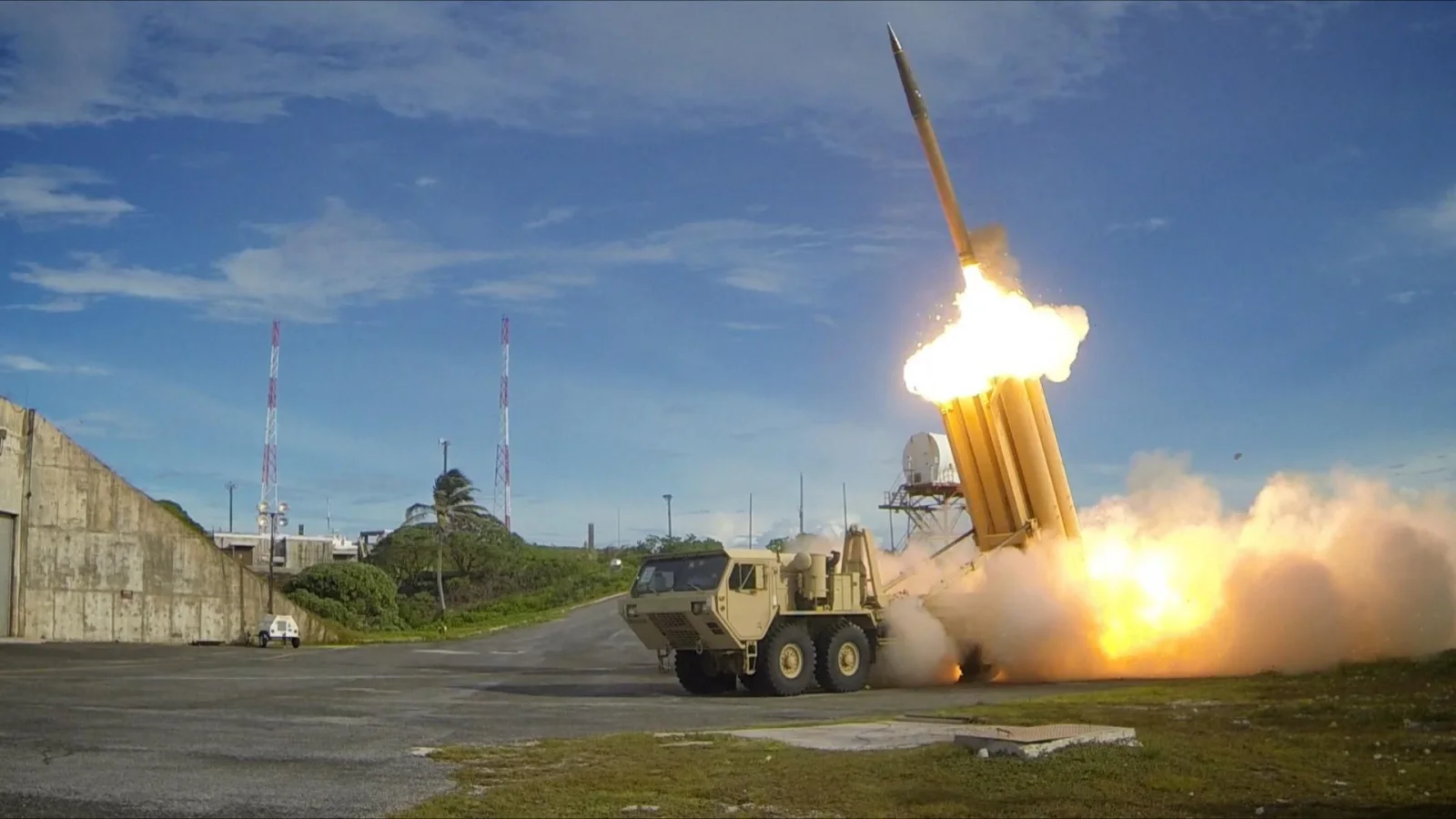
| Role |
|---|
| Primary category | Interceptor Missiles | Interceptor Missiles | Interceptor Missiles | Interceptor Missiles |
|---|
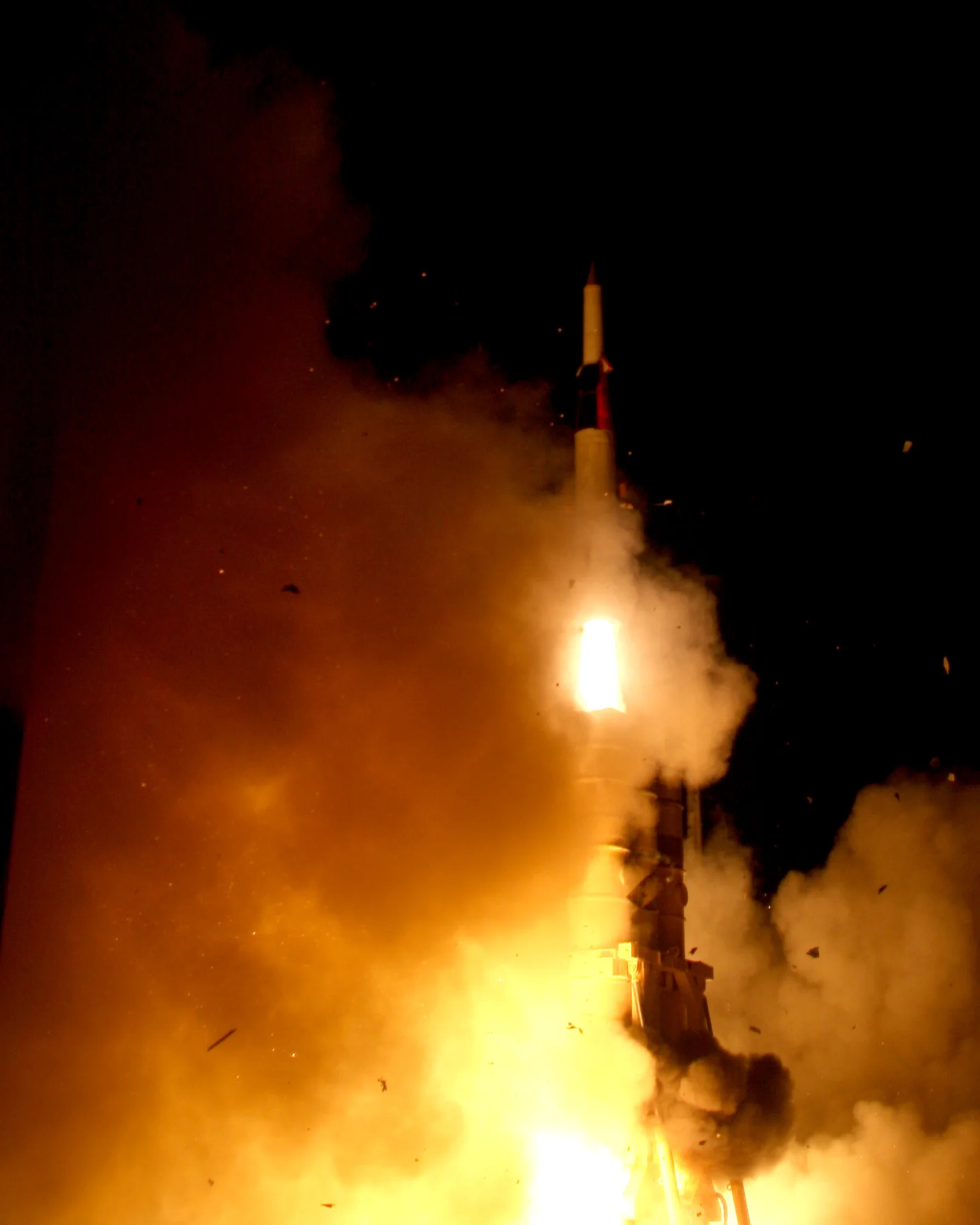
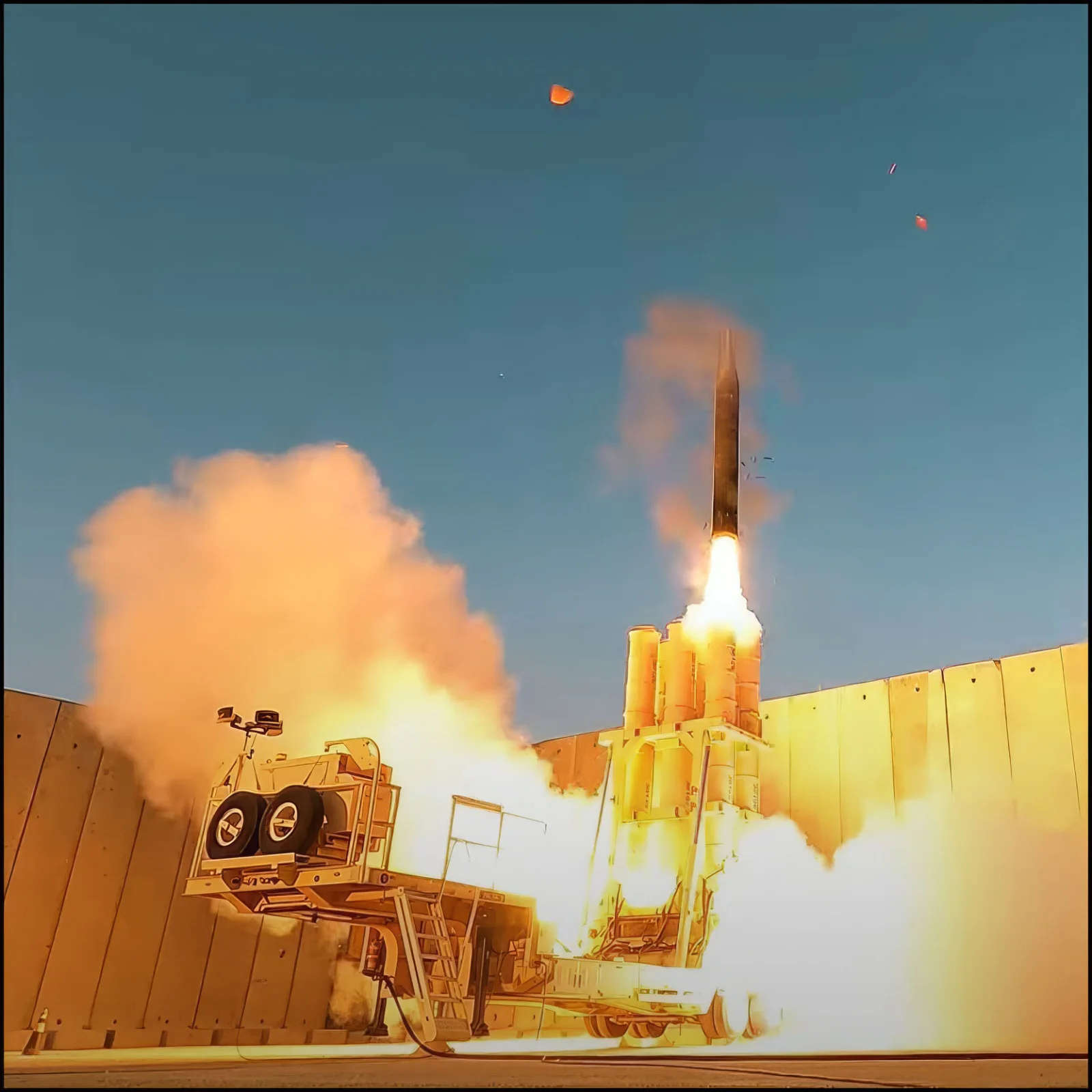
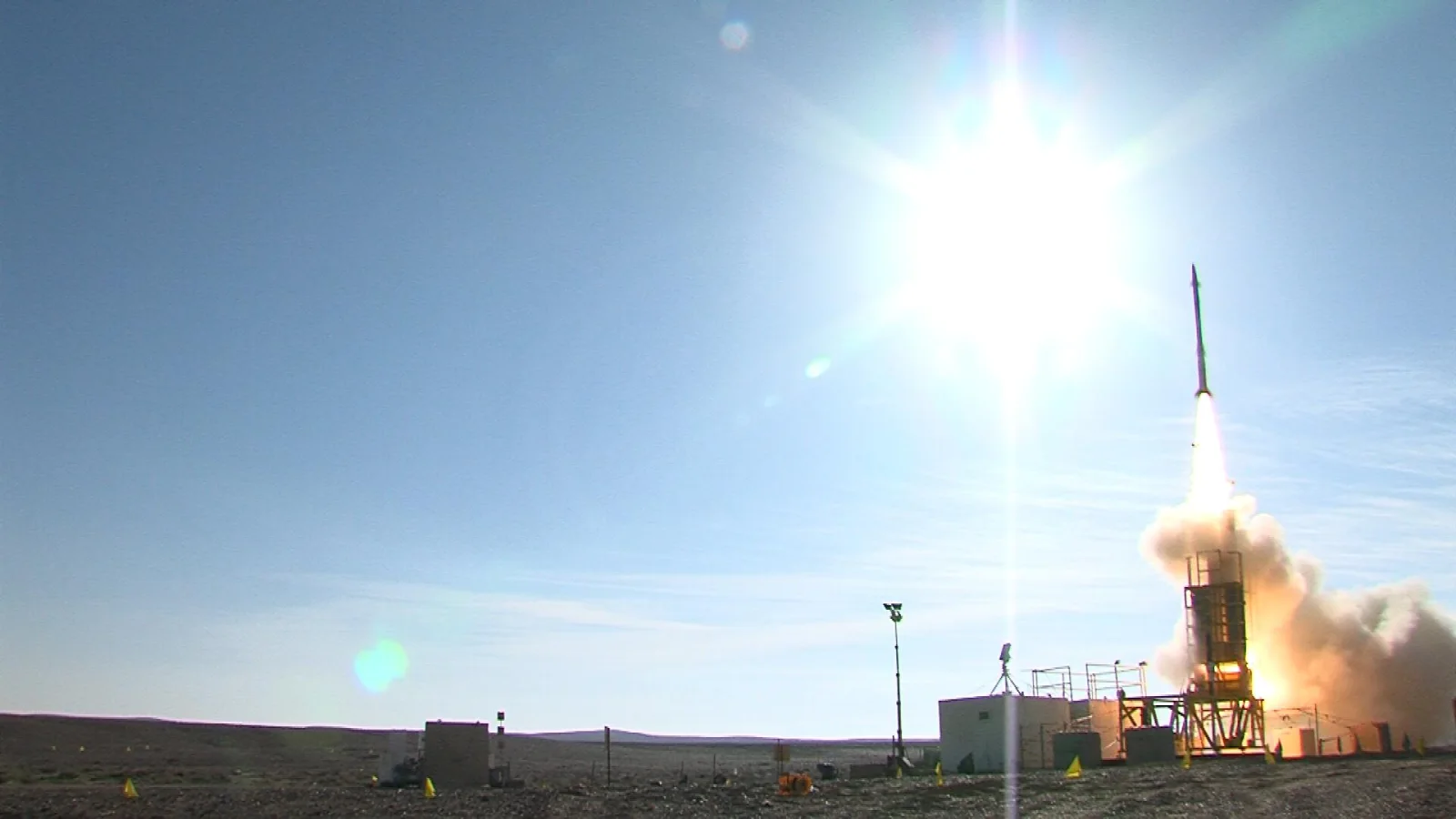
| Subcategory | Ballistic-missile interceptors · Endo-atmospheric | Ballistic-missile interceptors · Exo-atmospheric | Medium-range air-defense missiles | Ballistic-missile interceptors · Exo-atmospheric |
|---|
| Interception mechanism | Blast-fragmentation, Proximity fuze | Hit-to-kill | Hit-to-kill | Hit-to-kill |
|---|
| Target types | Ballistic missiles | Ballistic missiles | Ballistic missiles, Cruise missiles, Rockets, artillery, mortars, Crewed aircraft, One-way attack UAVs | Ballistic missiles |
|---|
| Platform | Trailer | Trailer | Vehicle-mounted | Vehicle-mounted |
|---|
| Status | In service | In service | In service | In service |
|---|
| Developer · Country | Israel Aerospace Industries, Boeing · Israel | Israel Aerospace Industries, Boeing · Israel | Rafael Advanced Defense Systems, RTX (Raytheon) · Israel | Lockheed Martin, RTX (Raytheon) · United States |
|---|
| Propulsion | Solid rocket motor | Solid rocket motor | Solid rocket motor | Solid rocket motor |
|---|
| Reusability | Single-use | Single-use | Single-use | Single-use |
|---|
| Technical profile |
|---|
| Seeker | Dual-mode: passive infrared (InSb focal-plane array, Raytheon) and active radar (Lockheed Martin)[2] | Long-range electro-optical sensor on a gimbaled seeker[1][2] | Millimetre-wave AESA radar plus dual CCD/IR seekers to tell warheads from decoys[2] | Indium-antimonide imaging infrared seeker[3] |
|---|
| Guidance | Launched before the threat trajectory is fully known and steered to the intercept point as track data arrives; terminal seeker homing[2] | Inertial navigation, proportional-navigation homing, thrust-vector steering[2] | Not recorded | Kill vehicle steered by a divert and attitude control system (Aerojet Rocketdyne) in the terminal phase[3] |
|---|
| Warhead | Directed high-explosive fragmentation, about 150 kg (Rafael)[2] | None; manoeuvrable hit-to-kill vehicle with a divert motor[1][2] | | None; hit-to-kill by kinetic energy[3] |
|---|
| Fuze | Proximity fuze, fires the fragments if a direct hit is not achieved[2] | Not recorded | Not recorded | Not recorded |
|---|
| Motor / propulsion | Two solid stages with thrust-vector control: IMI booster, Rafael sustainer[1][2] | Two solid-propellant stages[1] | Two-stage solid: booster plus a three-pulse kill-vehicle motor for terminal manoeuvre[1][2] | Single-stage solid rocket booster (Aerojet Rocketdyne); 1,000th booster delivered June 2024[3] |
|---|
| Data link | Not recorded | Not recorded | | Not recorded |
|---|
| Launcher | Trailer-mounted erector-launcher, vertical hot launch from sealed canisters; reload about one hour[2] | Canister launch from fortified sites; a 2013 Jane's report described a site with 4 launchers of 6 missiles[2] | Missile firing units built by RTX[1] | Truck-mounted transporter-erector-launcher; first battery used M1120 HEMTT load-handling trucks[3] |
|---|
| Rounds per launcher | 6 canisters per launcher; 4–8 launchers per battery[2] | Not recorded | Not recorded | 8 interceptors per launcher; 6 launchers (48 interceptors) per battery[3] |
|---|
| Fire control / radar | EL/M-2080 Green Pine L-band radar, Golden Citron C3I centre, Brown Hazelnut launch control[1][2] | Not recorded | Elta EL/M-2084 AESA multi-mission radar[1][2] | AN/TPY-2 X-band AESA radar (Raytheon) and fire-control/communications stations[3] |
|---|
| Crew | About 100 personnel per battery; 7–10 operators in the C3I centre[2] | Not recorded | Not recorded | About 90 soldiers per battery[3] |
|---|
| Characteristics |
|---|
| Maximum range (km) | 90–150 kmSecondary reference[2] | Up to 2,400 kmSecondary reference[2] | 40–300 kmSecondary reference[2] | ≈ 200 kmSecondary reference[3] |
|---|
| Maximum altitude (km) | Not recorded | At least 100 kmSecondary reference[2] | Not recorded | ≈ 150 kmSecondary reference[3] |
|---|
| Speed (m/s) | Up to 3,000 m/sManufacturer claim[1] | Not recorded | 1,360–1,870 m/sSecondary reference[2] | ≈ 2,800 m/sSecondary reference[3] |
|---|
| Mass (kg) | 1,300 kgSecondary reference[2] | Not publicly disclosed | Not recorded | 900 kgSecondary reference[3] |
|---|
| Length (m) | 6.8–7 mSecondary reference[2] | Not recorded | ≈ 4.95 mSecondary reference[2] | 6.17 mSecondary reference[3] |
|---|
| Ready rounds / magazine | 6 canisters per trailer-mounted launcherSecondary reference[2] | Not recorded | Not recorded | 8 per launcher; 6 launchers (48 interceptors) per batterySecondary reference[3] |
|---|
| Guidance / cueing | Passive infrared and active radar seeker; Green Pine radarSecondary reference[2][1] | Long-range electro-optical sensor on a gimbaled seekerManufacturer claim[1][2] | Dual CCD/IR seekers; EL/M-2084 AESA radarSecondary reference[2][1] | Imaging infrared seeker; AN/TPY-2 X-band radarSecondary reference[3] |
|---|
| Effect | Directed high-explosive fragmentation, 150 kg, proximity fuzeSecondary reference[2][1] | Hit-to-killManufacturer claim[1] | Hit-to-kill; no warheadManufacturer claim[1] | Hit-to-kill; no warheadSecondary reference[3] |
|---|
| Launch / operating platform | Not recorded | Not recorded | Not recorded | Truck-mounted launcherSecondary reference[3] |
|---|
| Programme |
|---|
| Operators (in service / ordered) | | | 3: Israel, Finland, Greece[2][3] | 4: United States, United Arab Emirates, Saudi Arabia, Qatar[1][3] |
|---|
| Platforms and integration | EL/M-2080 Green Pine radar (in service), Golden Citron C3I centre (in service), Arrow Weapon System (with Arrow 3) (in service)[1][2][3] | Arrow Weapon System (with Arrow 2) (in service), Holzdorf Air Base (in service)[2][4][6] | EL/M-2084 radar (in service), Israel's layered defence (between Iron Dome and Arrow) (in service), SkyCeptor (Stunner variant) (proposed)[1][2] | AN/TPY-2 radar (in service), PAC-3 / Patriot (tested), U.S. battery in South Korea (Seongju) (in service), U.S. battery in Israel (in service), U.S. battery on Guam (in service)[3][6] |
|---|
| Public contracts | 2 recorded. Latest: 2004-04-01 · Israel Aircraft Industries · US$78 million[2][4][5] | 2 recorded. Latest: 2025-12-17 · Germany · about US$3.1 billion[2][4][7][8][9] | 1 recorded. Latest: 2023-04-05 · Finland (Finnish Defence Forces) · about €316 million (excluding VAT)[3][5] | 8 recorded. Latest: 2026-09-01 · Saudi Arabia (FMS notification) · 112 interceptors; 15 launchers · +US$3.2 billion, to US$18.2 billion (estimate)[3][5][7][8][9][10][11][12][13][14] |
|---|
| Production / deliveries | 2005: first Boeing-built interceptor delivered[2] | April 2026: not disclosed planned rate[2][6] | Not recorded | To June 2025: at least 632 interceptors cumulative, January 2026: 96 a year, to rise to 400 a year over seven years planned rate[3][4] |
|---|
| Latest development | 2023-10-31: First wartime interception[2] | 2026-02: Arrow 4 flight tests begin[5][6] | 2025-06: First ballistic-missile interception[2] | 2026-06-24: Seven-year production contract[5] |
|---|