| Role |
|---|
| Primary category | Interceptor Missiles | Interceptor Missiles | Interceptor Missiles | Interceptor Missiles |
|---|
| Subcategory | Counter-UAS missiles | Counter-UAS missiles | Counter-UAS missiles | Counter-UAS missiles |
|---|
| Interception mechanism | Proximity fuze, Blast-fragmentation | Blast-fragmentation, Proximity fuze | Direct impact | Proximity fuze, Blast-fragmentation |
|---|
| Target types | Small UAS, One-way attack UAVs, Cruise missiles | Small UAS, One-way attack UAVs | Surface vessels, Small UAS | Small UAS, One-way attack UAVs, Surface vessels |
|---|
| Platform | Airborne, Vehicle-mounted, Shipborne | Vehicle-mounted, Shipborne, Airborne | Vehicle-mounted, Shipborne, Airborne | Vehicle-mounted, Shipborne |
|---|
| Status | In service | In development | In service | In service |
|---|
| Developer · Country | BAE Systems, L3Harris · United States | Roketsan · Türkiye | Agency for Defense Development, LIG Defense & Aerospace (formerly LIG Nex1) · South Korea | L3Harris · United States |
|---|
| Propulsion | Solid rocket motor | Solid rocket motor | Solid rocket motor | Not applicable |
|---|
| Reusability | Single-use | Single-use | Single-use | Not applicable |
|---|
| Technical profile |
|---|
| Seeker | Distributed-aperture semi-active laser seeker (DASALS) in the canard leading edges; optics deploy about 0.5 s after launch[1][3] | Semi-active laser; baseline CİRİT works with STANAG 3733 laser designators[3][4] | Imaging infrared; detection at about 12 km and tracking at about 9 km (reference work)[1] | Fires laser-guided 70 mm rockets (APKWS, Thales FZ275, LGR4); targets designated by the turret's laser[1] |
|---|
| Guidance | Semi-active laser homing through the WGU-59/B mid-body guidance section; CEP under 0.5 m (reference work)[3] | Laser homing aided by MEMS sensors and an IMU; flight-control algorithm revised for air targets[2][4] | Inertial midcourse to a launcher-supplied position, IIR terminal homing; fire-and-forget; 0.54 m CEP[1] | Not recorded |
|---|
| Warhead | Existing Hydra 70 warheads, such as M151 for the counter-drone role[1][3] | Anti-UAV high-explosive air-target warhead[1][3][4] | | APKWS with proximity fuze for counter-drone use[1] |
|---|
| Fuze | Proximity fuze from L3Harris and Technology Service Corporation, a drop-in for the M423[1][2] | | Not recorded | Not recorded |
|---|
| Motor / propulsion | Unmodified Hydra 70 Mk 66 motor; Nammo developing a motor for 12–15 km[3] | Not recorded | Standard Hydra 70 single-stage solid motor[1] | Not recorded |
|---|
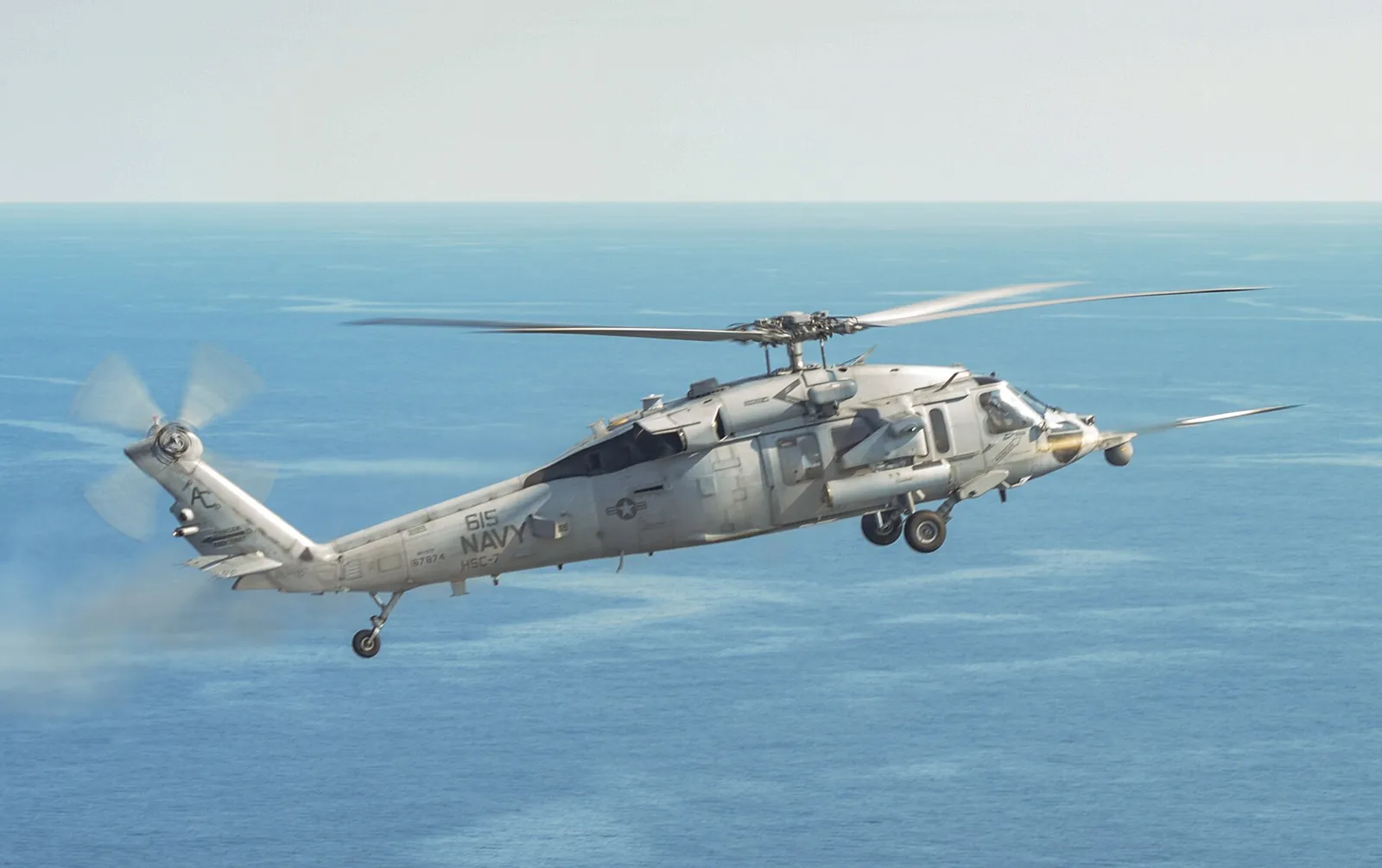
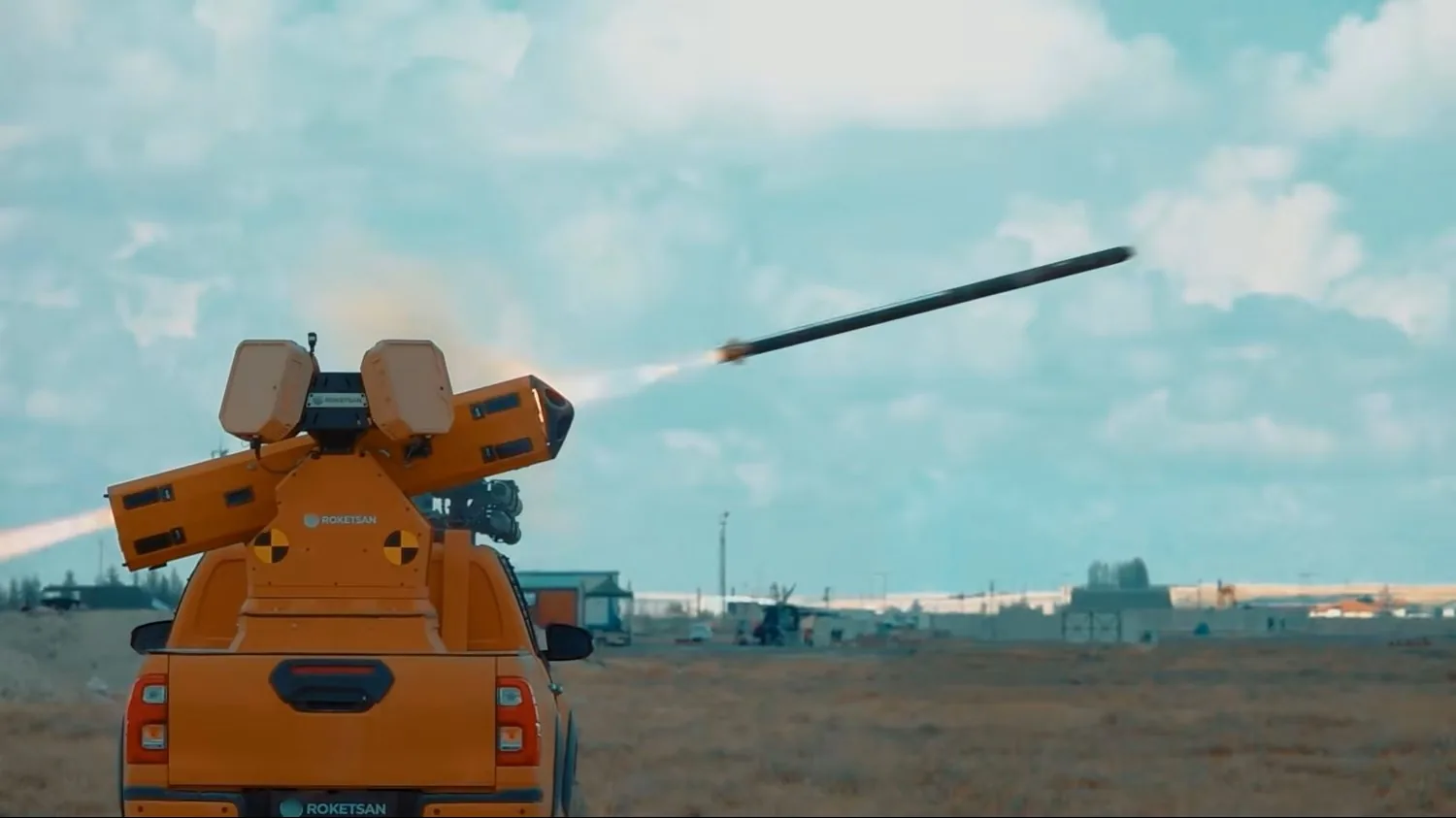
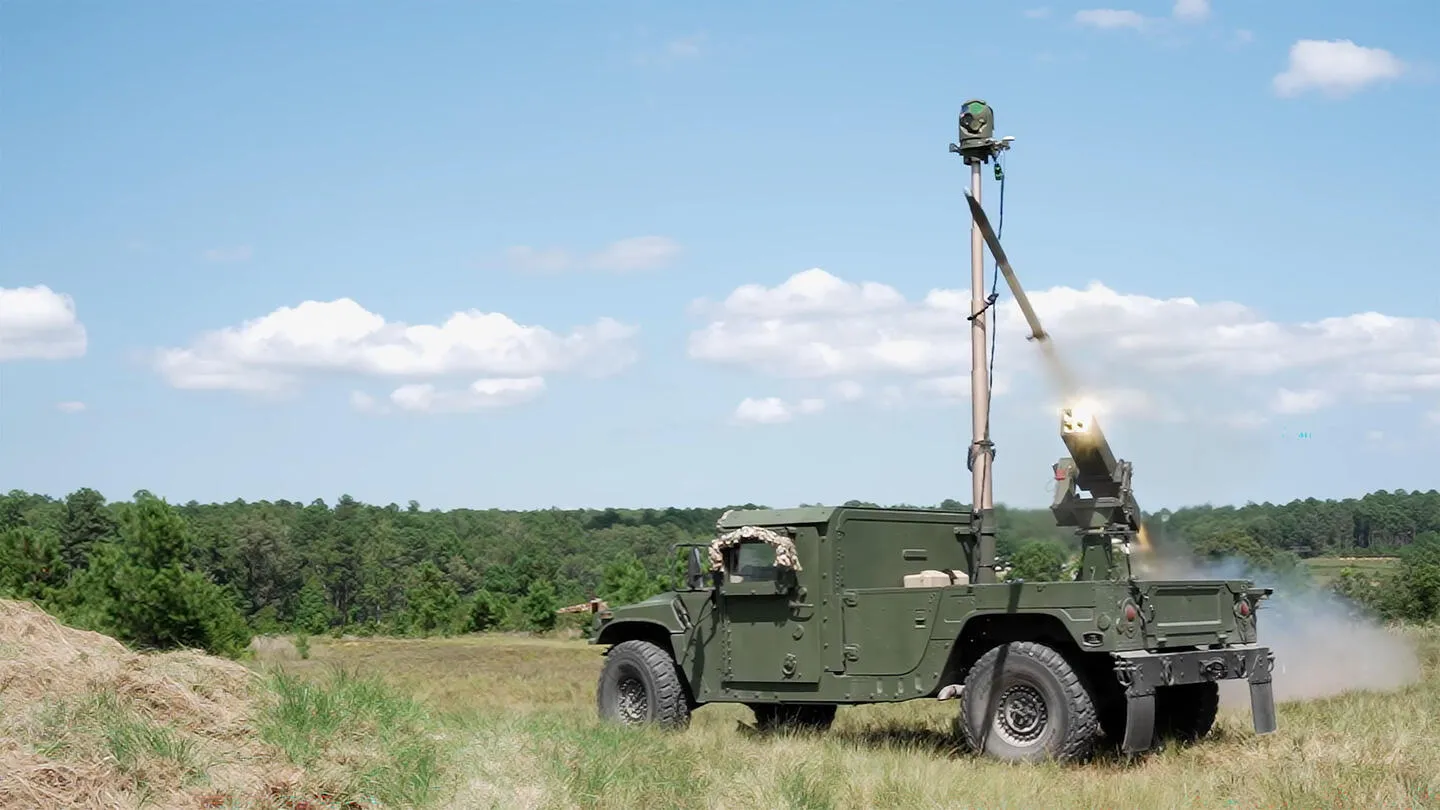
| Launcher | Existing 70 mm launchers on helicopters, jets, UAVs, ground vehicles and ships; four-round VAMPIRE launcher[4][5] | CİRİT Quad-Pack Launcher System (CQPLS), four missiles; mounted on the PUSU C-UAS Weapon System. Launch from land, naval and air platforms[2][7][9] | ROK Marine Corps 6×6 coastal-defence truck with two 18-round containers; existing 2.75-inch launchers[1][2] | Palletized four-round 70 mm launcher; installed in a vehicle cargo bed in about two hours by two people[1] |
|---|
| Rounds per launcher | Not recorded | Not recorded | 36 per coastal-defence truck[1] | |
|---|
| Fire control / radar | Not recorded | On PUSU-C: Echodyne EchoShield radar and an EO/IR sensor with about 5 km range against low-flying targets[2] | Not recorded | WESCAM MX-10D or MX-15D RSTA EO/IR turret on a telescoping mast with laser designator; Widow software (FAAD C2-compliant); optional radar, EW, Link 16[1] |
|---|
| Crew | Not recorded | Not recorded | Not recorded | Two people can transport, mount, deploy and reload by hand[1] |
|---|
| Characteristics |
|---|
| Maximum range (km) † | Up to 5 km† Range reported in secondary sourcesSecondary reference[3] | Up to 5 km† Maximum engagement range as claimed by the developerManufacturer claim[3][2] | At least 8 km† Range reported in secondary sourcesSecondary reference[1] | ≈ 6 km† Maximum engagement range as claimed by the developerManufacturer claim[1] |
|---|
| Speed (m/s) | Up to 1,000 m/sSecondary reference[3] | Not recorded | Not recorded | Not recorded |
|---|
| Calibre (mm) | 70 mmManufacturer claim[1] | Not recorded | 70 mmSecondary reference[1] | Not recorded |
|---|
| Mass (kg) | 4.1 kgSecondary reference[3] | 17 kgManufacturer claim[3] | Up to 15 kgSecondary reference[1] | Not recorded |
|---|
| Length (m) | 1.87 mSecondary reference[3] | Not recorded | 1.9 mSecondary reference[1] | Not recorded |
|---|
| Ready rounds / magazine | Not recorded | Not recorded | Not recorded | 4-shot launcherSecondary reference[2] |
|---|
| Guidance / cueing | Semi-active laser (DASALS optics in WGU-59/B)Secondary reference[3] | Semi-active laser with IMUManufacturer claim[3][4] | INS midcourse, imaging-infrared terminal (fire-and-forget)Secondary reference[1] | WESCAM MX-series EO/IR targeting with laser designatorManufacturer claim[1] |
|---|
| Effect | M151 warhead with proximity fuze (drop-in for M423)Manufacturer claim[1][2] | Anti-UAV high-explosive warhead, RF proximity fuzeManufacturer claim[1][2] | Not recorded | Not recorded |
|---|
| Launch / operating platform | Not recorded | PUSU C-UAS Weapon System with the CİRİT Quad-Pack Launcher System (CQPLS); land, naval and air platformsSecondary reference[9][2][7] | Not recorded | Pickups, light vehicles, boatsManufacturer claim[1] |
|---|
| Programme |
|---|
| Operators (in service / ordered) | 8: United States, Australia, Jordan, United Kingdom, Czech Republic, Ukraine, Saudi Arabia, Lebanon[3][5] | 2: Türkiye, United Arab Emirates[4] | 3: South Korea, Saudi Arabia, United Arab Emirates[1] | |
|---|
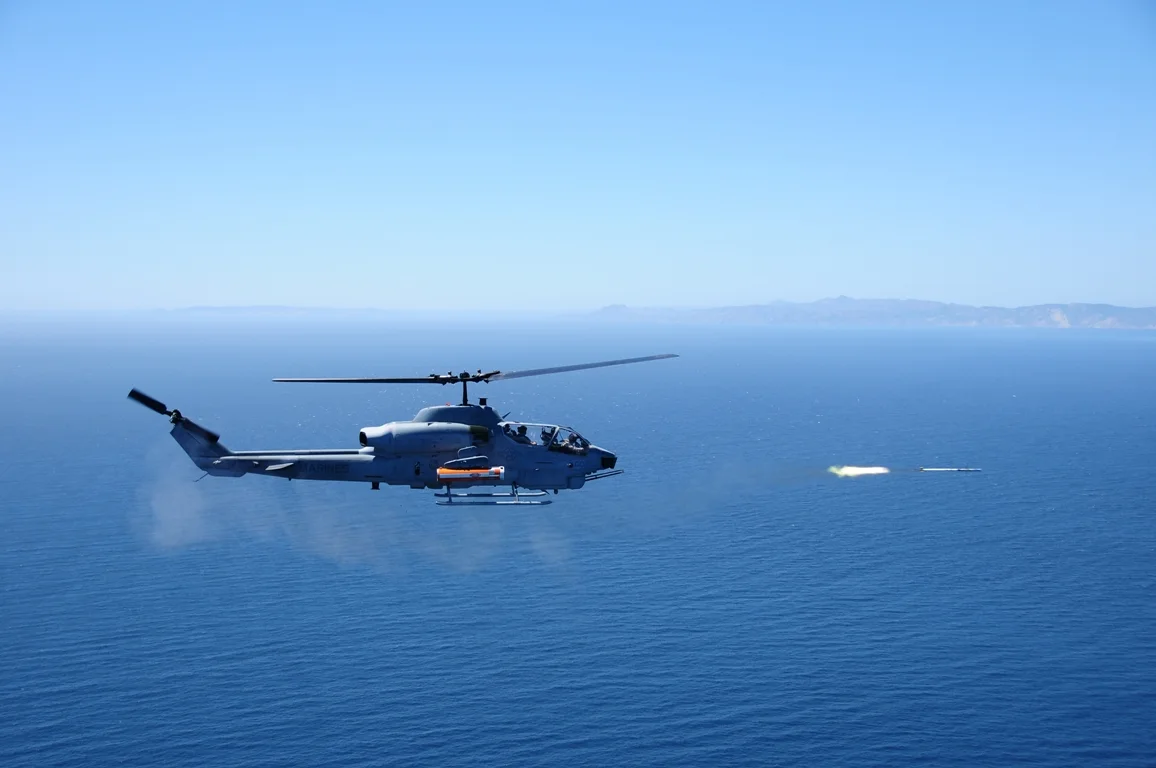
| Platforms and integration | VAMPIRE (pickup and boat kit) (in service), AH-64 Apache (in service), AH-1Z and UH-1Y (in service), MH-60S/R Seahawk (in service), F-16 (in service), F-15E and A-10 (in service), Eurofighter Typhoon (in service), EAGLS and ground vehicle kits (tested)[3][4] | PUSU C-UAS Weapon System with CİRİT Quad-Pack Launcher System (CQPLS) (tested), Naval platforms (proposed), Echodyne EchoShield radar (tested), KMC launchers (KAPLAN STA, USVs) (proposed), T129 ATAK, HÜRKUŞ-C, AH-1W (proposed), EM&E remote weapon stations (proposed)[2][3][4][5][7][8][9] | ROK Marine Corps mobile coastal-defence truck (in service), Royal Saudi Navy vessels (in service), U.S. Navy counter-UAS use (proposed)[1][2] | Commercial pickups and flatbeds (in service), GM Defense Infantry Squad Vehicle (in development), Black Wake maritime variant (crewed ships, USVs) (proposed), FAAD C2 (through Widow software) (in service), Skydagger HUNTER interceptor drones (in development)[1][3][6] |
|---|
| Public contracts | | Not recorded | Not recorded | 2 recorded. Latest: 2026-09-08 · U.S. Navy[4][5] |
|---|
| Production / deliveries | to February 2026: 100,000 kits cumulative, from October 2016: 5,000 a year planned rate, Framework of up to seven years from October 2026: up to 25,000 kits a year for U.S. forces, plus up to 10,000 for export planned rate[3][6] | Not recorded | Not recorded | to December 2023: 14 systems (Ukraine) delivered[2] |
|---|
| Latest development | 2026-10-22: 25,000-a-year framework[6] | 2026-06: Spanish integration talks[5] | 2026-04: Counter-UAS offer to the U.S. Navy[2] | 2026-10-13: First U.S. Army units[4] |
|---|